

Editor’s note: This article was first published in July 2010, when jobs were scarce in Spain; the target of setting aside €150–200 a month to pay down debt reflects the circumstances of that time.
Many people turn to debt consolidation, and that is probably not the wisest move, since you end up with a much larger deferred debt at higher interest.
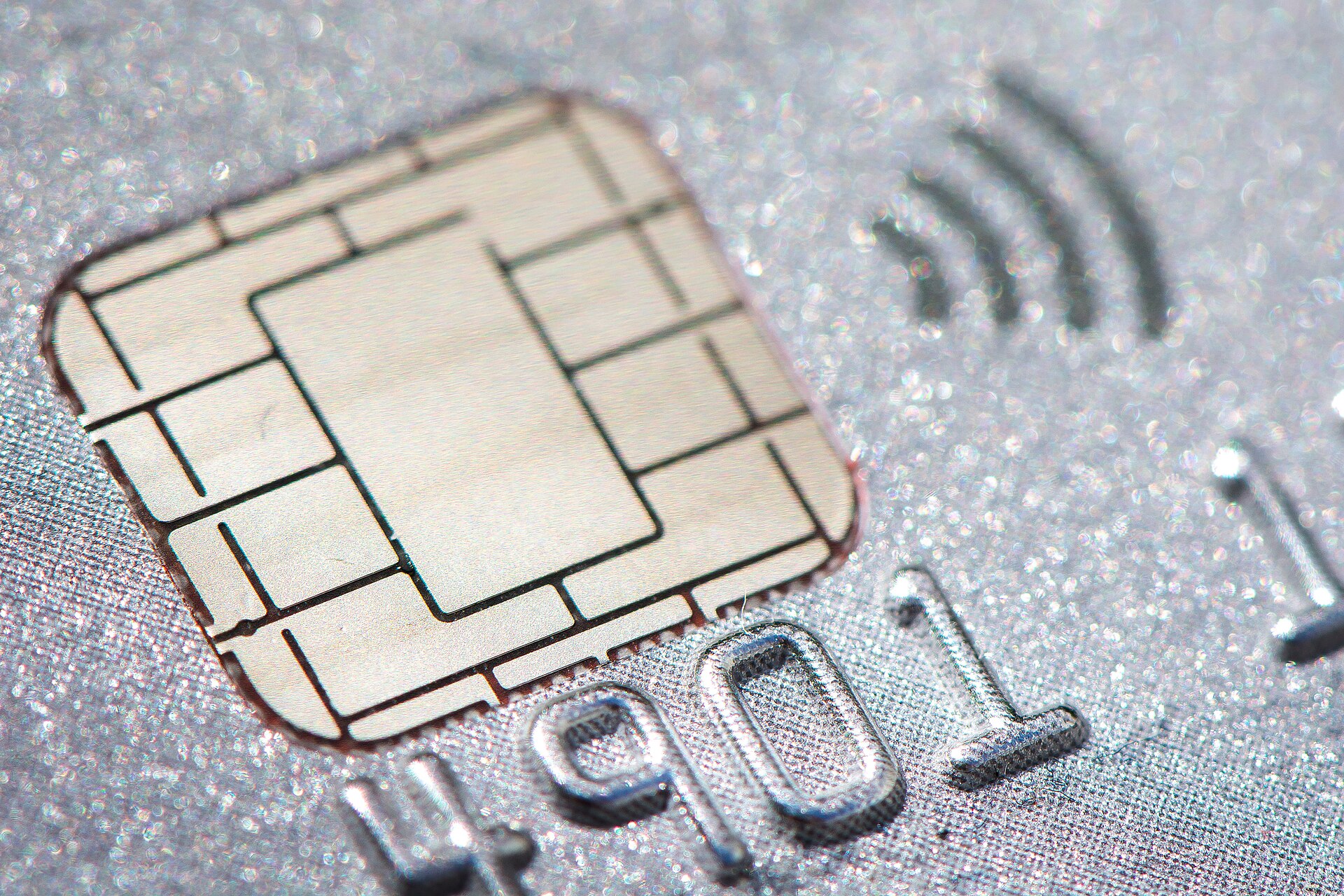
Credit cards are one of the reasons we have become so indebted. As usual, our advice is to make a short-term sacrifice in exchange for a medium- or long-term benefit. Here are a few tips.
Most people are thinking about investing or starting their own business because jobs are scarce. So these tips are really aimed at the first step towards that much-desired financial freedom:
1. If you have credit cards with an outstanding balance:
- Get rid of all your credit cards except one or two.
- Make it a rule to pay off every new charge you put on your card each month.
- Don’t take on any more long-term debt.
2. Bring in an extra €150 to €200 every month. If you can’t generate that much extra money each month, you may not be ready to achieve financial freedom. Put your mind to work on how to get that extra €200. It doesn’t matter if you have to put in more hours or find a weekend job. If neither option is feasible, here are some tips for earning extra money when you don’t have time to work overtime.
Remember that this is temporary. As time goes by, I’m sure you’ll find it easier and easier to earn extra income with less effort.
See also: 10 mistakes to avoid when investing
3. Put that extra €150 or €200 towards the monthly payment on just one of your credit cards. On the others, pay only the minimum your bank requires. Never pay off the full balance of one card with credit from another.
4. Once you have paid off the first credit card, put the total amount you were paying on it, plus the extra €200, towards gradually paying off the next card. Cut unnecessary day-to-day spending. Before you part with a single euro from your wallet, ask yourself whether it’s really necessary.
5. By following these simple steps, you can make your credit card debt disappear in a year to a year and a half.
Once all your credit cards and consumer debts are paid off, you have two options:
- Start putting your money into an investment savings account. You should invest the amounts you used to pay on your cards plus the extra €200. In a year you would have saved an amount of money you never counted on.
- Carry on with the same procedure, now with your car payments and your mortgage. Obviously, you wouldn’t be debt-free for another five to seven years.
Once you’re debt-free, don’t take on any more debt. Put the money you used to spend on debt payments into investments. It’s the only way to build up a good column of assets for the future.
But remember that before you invest or start your own business, you need to acquire some knowledge, basic at first.
Further reading
- How to lose your fear of starting a business
- How to become a successful business owner
- 7 types of investors and 7 levels of investing
- What to invest in during a crisis
- How to run a small business in times of crisis
These tips are taken from the section on reducing or getting rid of personal debt in Robert T. Kiyosaki’s book Cashflow Quadrant (published in Spanish as El cuadrante del flujo del dinero).
Featured image: kuhnmi, CC BY 2.0, via Wikimedia Commons.



