

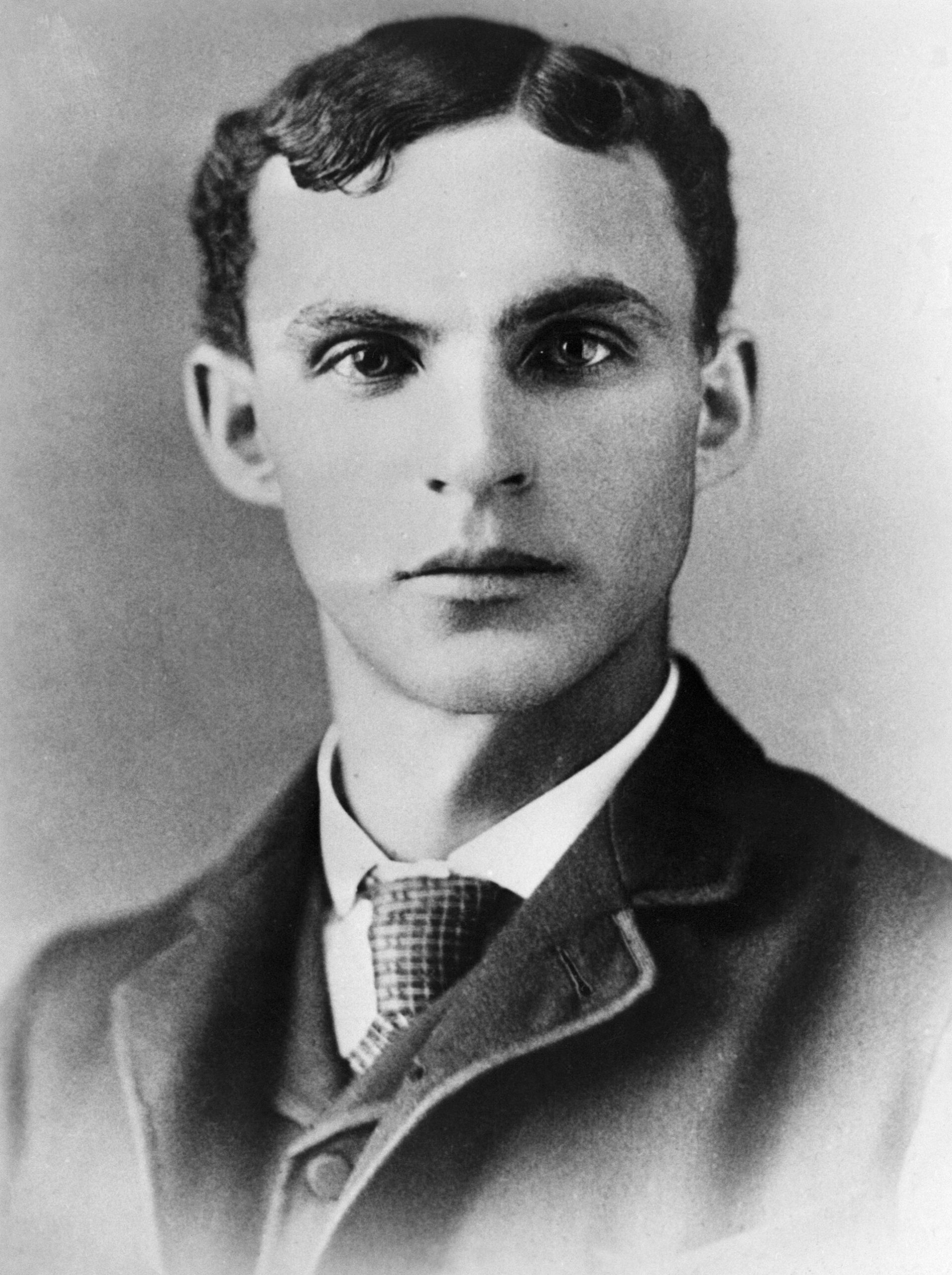
I don’t need to explain who Henry Ford was, since his business is still around today. Henry Ford is remembered not only for becoming one of the richest men in the United States, but as the entrepreneur who, 50 years ago, explained the secret of personal success to the world: that everyone has a talent, a genius hidden in their mind, or simply a skill they can develop.
Henry Ford explained that if some people fail to succeed in life, it is only because they use the word “impossible” in their minds far too often, or give up when someone tells them “NO”.
Henry gave an interview to the writer Napoleon Hill, who published in his book the stories of the 50 most remarkable successful businessmen in the United States. Today we can see that, a century later, the secret of success is still the same, and that an entrepreneur’s mindset must rest on the same principles to achieve it. Below is a short account of several episodes in Henry Ford’s life, which I hope will help and motivate any entrepreneur who wants to start out in business.
The story goes that Henry Ford had an idea to set himself apart from his competitors and make history. In his mind he designed the V8 (eight cylinders in a single block), something unthinkable in the motor world until then.
He gathered his engineers and explained the project. The engineers argued that it couldn’t be done, and Henry told them to find a way to do it anyway.
Six months later the engineers still hadn’t cracked it and the project had not come to life. They told him again that it could not be done. Henry repeated that nothing in this life is impossible, leaving a phrase that went down in history, roughly: whatever your mind can conceive is achievable.

Afraid of being fired, the engineers worked day and night until they found a way to make Ford’s dream fit. Refusing to settle for a “NO” or to believe in the word “impossible” led Henry Ford to design a model unique in the history of the automobile.
Years later Henry Ford faced another conflict. A Chicago newspaper branded him ignorant and uneducated, among other things, even though he was already one of the richest men in the United States. Henry sued the newspaper and ended up face to face with its lawyers, who set out to prove in court that Henry was a man without education.
The trial was full of general-knowledge questions such as “how many soldiers did the British send to the American colonies to put down the rebellion of 1776?” Henry replied that he did not know the exact number, but that they certainly sent more than came back.
Ford then gave a speech that, so the story goes, changed the way everyone in the courtroom saw him. It went something like this:
You are asking me about things that have no practical use in life or in business, and that only show that the people who know the answers have a lot of free time. If you want to carry on with these useless questions, let me remind you, counsellor, that in my company I have “buttons”: whatever the question, by pressing the right button I can call in someone able to answer anything you might want to ask me. As a businessman I don’t need to know everything. It is enough for me to surround myself with people whose knowledge complements mine superbly, so that my company stays where it is.
Clearly, the people in the courtroom did not see an ignorant man in that answer, but a very intelligent one. Henry won the case against the newspaper, which had to close three years later.
With this story I want to show two things:
- That to succeed we have to believe in ourselves and not give up when things get hard. The road to success is full of obstacles, and behind those obstacles, once you overcome them, lie the opportunities.
- The second is something we have discussed before: part of a businessperson’s success comes down to the quality of the people they surround themselves with. You don’t have to know everything, but you do need to know how to surround yourself with people smarter than you who complement your knowledge.
Further reading
- The secret of success in business
- How Steve Jobs got started with Apple
- The man who started a business to save his children’s lives
- The entrepreneur’s 15 commandments
- A talk by Warren Buffett, in 9 videos
Featured image: unknown author, Public domain, via Wikimedia Commons.




