

The first unwritten principle of legendary investor Warren Buffett comes into play even before you start investing: to make money investing in the stock market, you first need money. And if you want to make a lot of money, you will need a lot of money.
That is why, before becoming an investor, you need to become someone who generates large sums of money. Buffett was always hungry for success and wealth, and as we have said before, Warren Buffett is probably a better businessman than investor. Investing has simply served to multiply his money consistently, using compound interest throughout his career as an investor and businessman.
Warren Buffett’s first businesses
(Read: Warren Buffett: what he never did and what he always was)
The book The Snowball covers this part of his life, in which a teenager who at one point even went astray, going through a criminal phase, managed to accumulate $53,000 by the age of 16. He almost didn’t go to university, because he thought his talent for business was more than enough. But in the end his father convinced him, and thanks to that he was able to meet Benjamin Graham and learn everything about intelligent investing.
It all starts at age 6
The first way Buffett found to earn a few cents was buying packs of chewing gum at his grandfather’s grocery store and then selling them door to door to all his neighbours.
That wasn’t going to make him rich at 6, but at least he understood that part of the secret of business is to buy wholesale and sell retail at a higher profit margin. According to his biographer Alice Schroeder, even as a small child he already had a gift for managing money and persuading people.
Newspaper delivery with added value
Later, young Buffett started making money in one of the most classic ways in the United States: home newspaper delivery. Specifically, he delivered The Washington Post, spending a couple of hours a day on it. Buffett used his round to also sell calendars and other things to his customers, so he ended up making as much as $175 a month (in the money of the day), which meant he was earning more than some adults.
He went into stamps
Buffett saw a good business in stamps. If someone needed a fancy stamp, they could count on young Buffett, who sold collectable stamps to collectors all over the country.
He made money selling used golf balls
If you were a golf lover in 1940 and wanted golf balls, Warren Buffett would sell you a dozen for $6.
At first, Buffett and a friend searched golf courses for lost balls, but later, as the business kept growing, Buffett began working with a supplier in Chicago.
Polishing cars
At this stage Buffett formed his first business partnership with a friend, creating Buffett’s Showroom Shine, a car-polishing business. They soon closed it, because the two entrepreneurs discovered that it took too much manual work to make money. The lesson Buffett learned: if you have to work your business intensely to make money from it, it isn’t a business, it’s a job.
The pinball machine business
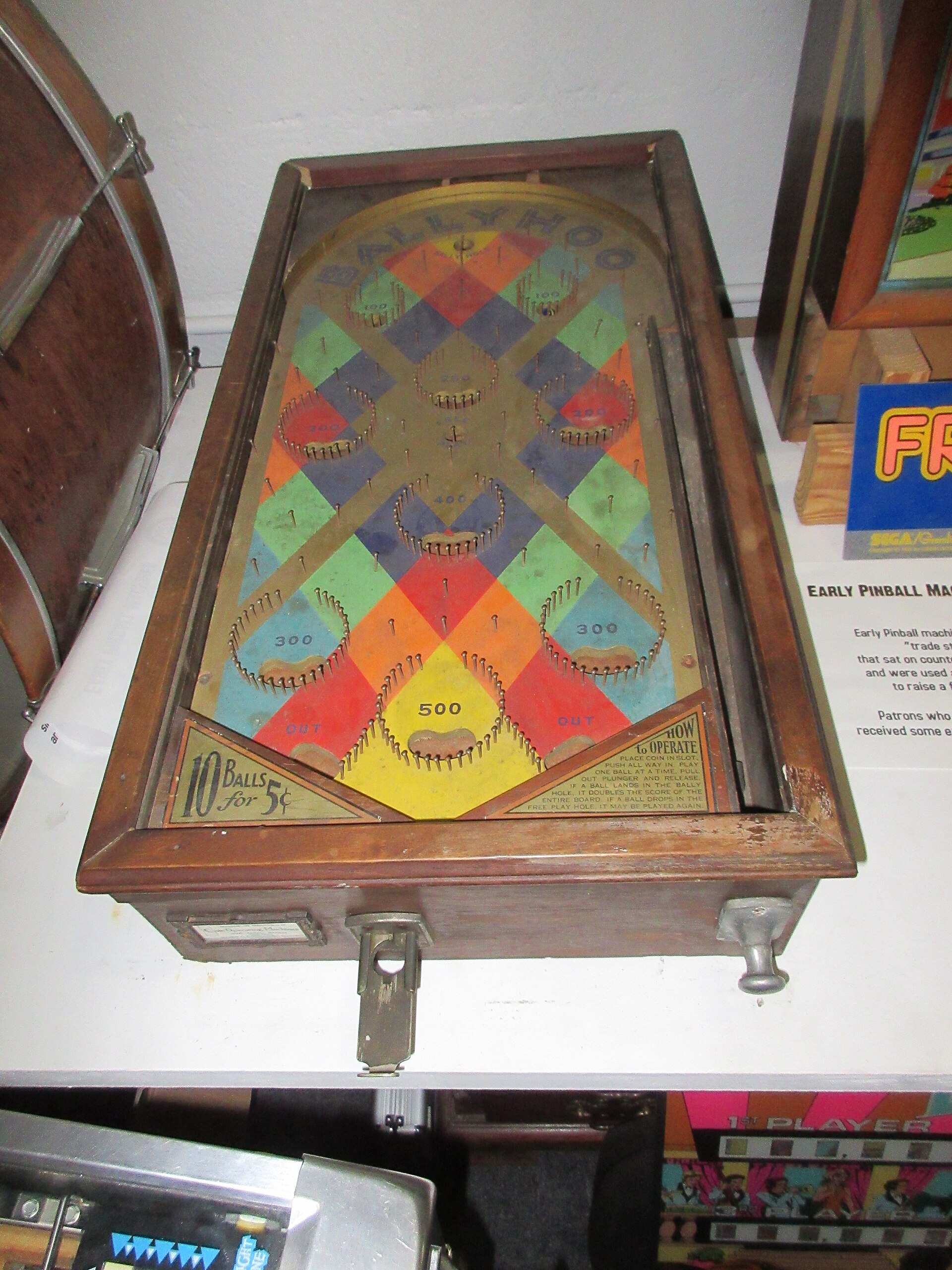
This business idea really did bring him easy money. He bought an old pinball machine for $25 and convinced a barber to install it in his shop. That way, customers could play while they waited their turn.
The profits from that first machine went into buying a second one, and so on. The business was very profitable, and before long he had pinball machines in barbershops all over Washington.
(Read: 8 life lessons from Warren Buffett)
There is also a passage in which, at 13, he and a friend would sneak into horse racing tracks to pick up discarded tickets. Young Buffett knew that many people didn’t understand the betting, other than what they had seen in films, and some forgot that the tickets they threw away could still win secondary prizes.
Buffett says they had a good time crouching down to collect discarded tickets, and that, statistically, they almost always found winning tickets among them.
Soon afterwards, Buffett used his talent for maths and statistics to gather information on winning horses, and they started producing their own tip sheet of likely winners, which they sold for 25 cents. And some people bought it, because Buffett was usually right.
Money is everywhere. You just have to learn to see it and find a way to get hold of it. Many of these business ideas probably wouldn’t work today, but business itself hasn’t changed: it is about using your skill to sell something to a person who needs what you are selling.
We probably live in a more technological age today, and that shouldn’t make the process any harder. Quite the opposite: today you can make money online much more easily, because it is easier than ever to reach more people, not just potential customers in your own town.
Further reading
- Ideas for making extra money from home or online
- How this young man earned more than $120,000 in a few months
- Entrepreneurs who started their businesses with no money explain how they succeeded
Featured image: Infrogmation of New Orleans, CC BY 2.0, via Wikimedia Commons.



