

Editor’s note: This article was first published in May 2012; the report that Facebook was considering a move to the NYSE, the IPO price ranges and the expected SEC investigation were current then. Facebook stayed on Nasdaq.
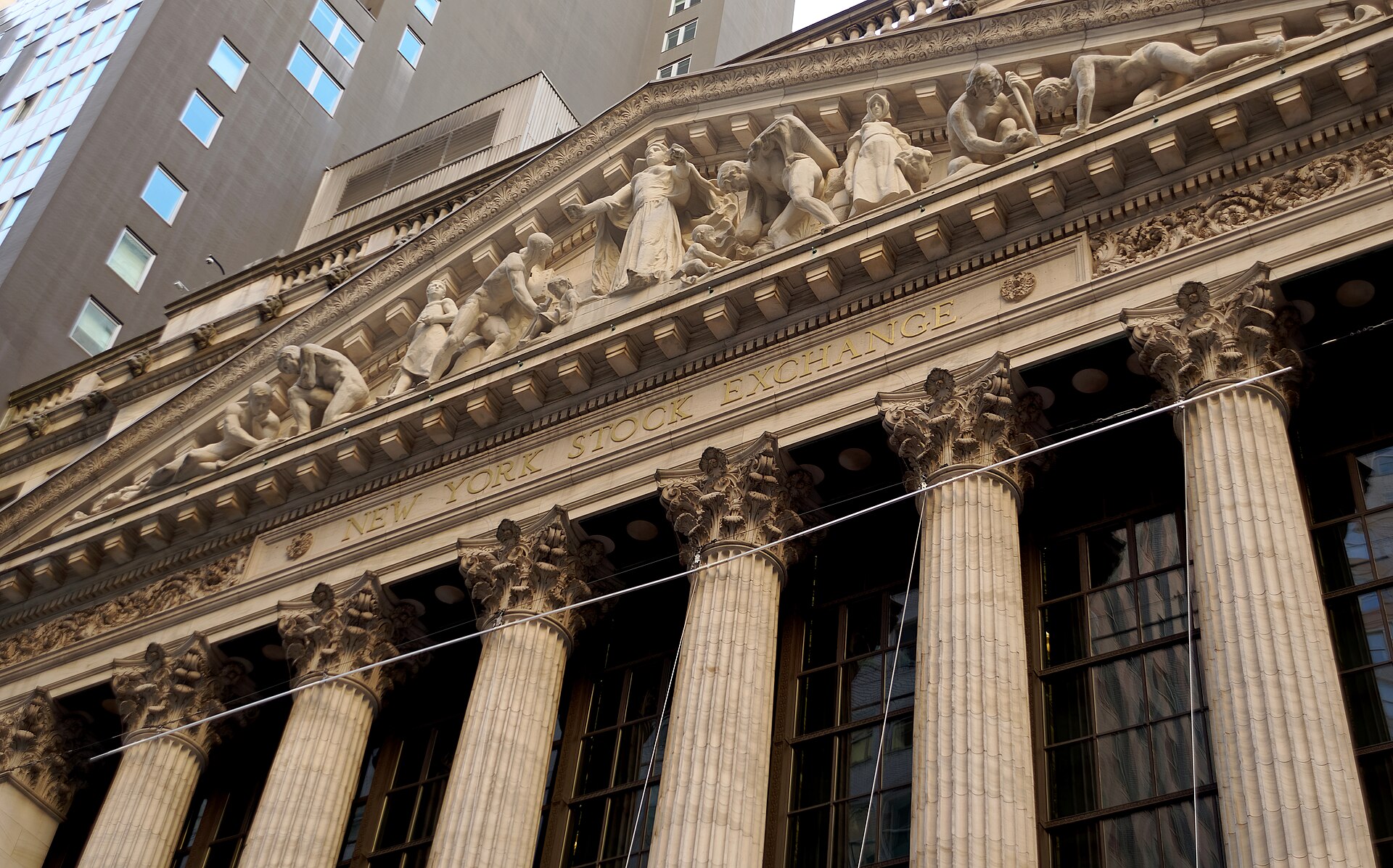
As CNBC reported only yesterday, Facebook is said to be studying the possibility of leaving Nasdaq over the way the social network’s flotation was handled, even blaming errors in Nasdaq’s systems for the disastrous outcome of the IPO. If it left the exchange, Facebook would move to the New York Stock Exchange (NYSE), which had already shown interest even before talks with Nasdaq began.
According to the same network (CNBC), if Facebook did go through with the move, many other companies negotiating with Nasdaq over their own IPOs might now consider choosing its rival, the NYSE. There are all kinds of sources, as well as differing opinions about what happened last Friday. Nasdaq says the errors may have been caused by its systems experiencing such a volume of trading in a single session for the first time.
Others put forward the most varied theories, some even going so far as to hint at deliberate errors. On the one hand, Facebook blames Nasdaq for the dismal result, since without the chaos in order handling the outcome might have been very different.
Investors blame Facebook for leaving out information that only a few institutional investors knew. Investors also blame Nasdaq for mishandling market orders by refusing requests to cancel some purchases. They also blame the underwriting banks for swindling them by likewise withholding information, which is why, for now, the Facebook IPO is headed for a class action lawsuit.
The first coincidences and testimonies begin to emerge.
The US Securities and Exchange Commission (SEC) will now have to investigate what happened, since it appears that the Nasdaq system error mainly affected “market” orders, not those with a limit.
Had the IPO not been delayed, a market order would have had a much better chance of buying shares at 38–40 dollars. Instead, with the delay and the rise in price, a market order forced you to buy above 42 dollars, and some investors bought shares above $44 even though they had cancelled the order.
Some investors are already starting to hint that the failure to cancel orders and the delay to the IPO may in some way have been deliberate, in an attempt to let institutional investors sell their shares before those orders were cancelled. It is a very serious accusation and, frankly, an unlikely one, but the SEC will have to investigate it all the same.
The problem isn’t Nasdaq, it’s Zuckerberg.
Although Mark Zuckerberg wants to blame Nasdaq for the poor result, what we should really be asking is at what point investors who had been waiting months for this day decided not to buy Facebook shares.
Some decided when the price range was raised from 28–35 to 34–38, because they felt the company had already been overvalued. Others made the decision when, following the delay at Nasdaq, it was announced that the shares would open at 42, because some saw very clearly that Facebook was going to squeeze the lemon dry.
Although Zuckerberg said he inflated the price to prevent some institutional investors from making quick gains, the truth is he didn’t think through the consequences: in the end, institutional investors, who had information the rest did not, managed to make a lot of money at the expense of the retail investors who came in (even without wanting to) at a completely inflated price.
What most people do agree on is that if Facebook had come out at 28 dollars and on time, given the demand there was, the share price would probably have doubled, and once Facebook’s IPO had been a success, why would anyone want to sell a rising stock when there was so much more to be squeezed out of it?
So you can look for culprits and pass the buck from one to another, and Nasdaq, Facebook and the banks may all bear some of the blame, but the epicentre of the whole disaster was Mark Zuckerberg, and of that I am completely sure.
Featured image: Jakub Hałun, CC BY 4.0, via Wikimedia Commons.



