

Editor’s note: This article was first published in June 2011. The Facebook user figures (400 and 600 million), Tuenti’s position in Spain and Telefónica’s strategy reflect that time. Tuenti later stopped operating as a social network and continued as a Telefónica mobile brand.
It’s no secret that Facebook is the undisputed leader among social networks, far ahead of its competition. Facebook has swept Tuenti aside on its home turf (Spain). To analyse Facebook’s success and Tuenti’s failure, we’ll first look at their founders and then at their business strategies, without forgetting the most important thing: the business mindset of Zuckerberg (Facebook) and Zaryn Dentzel (Tuenti).
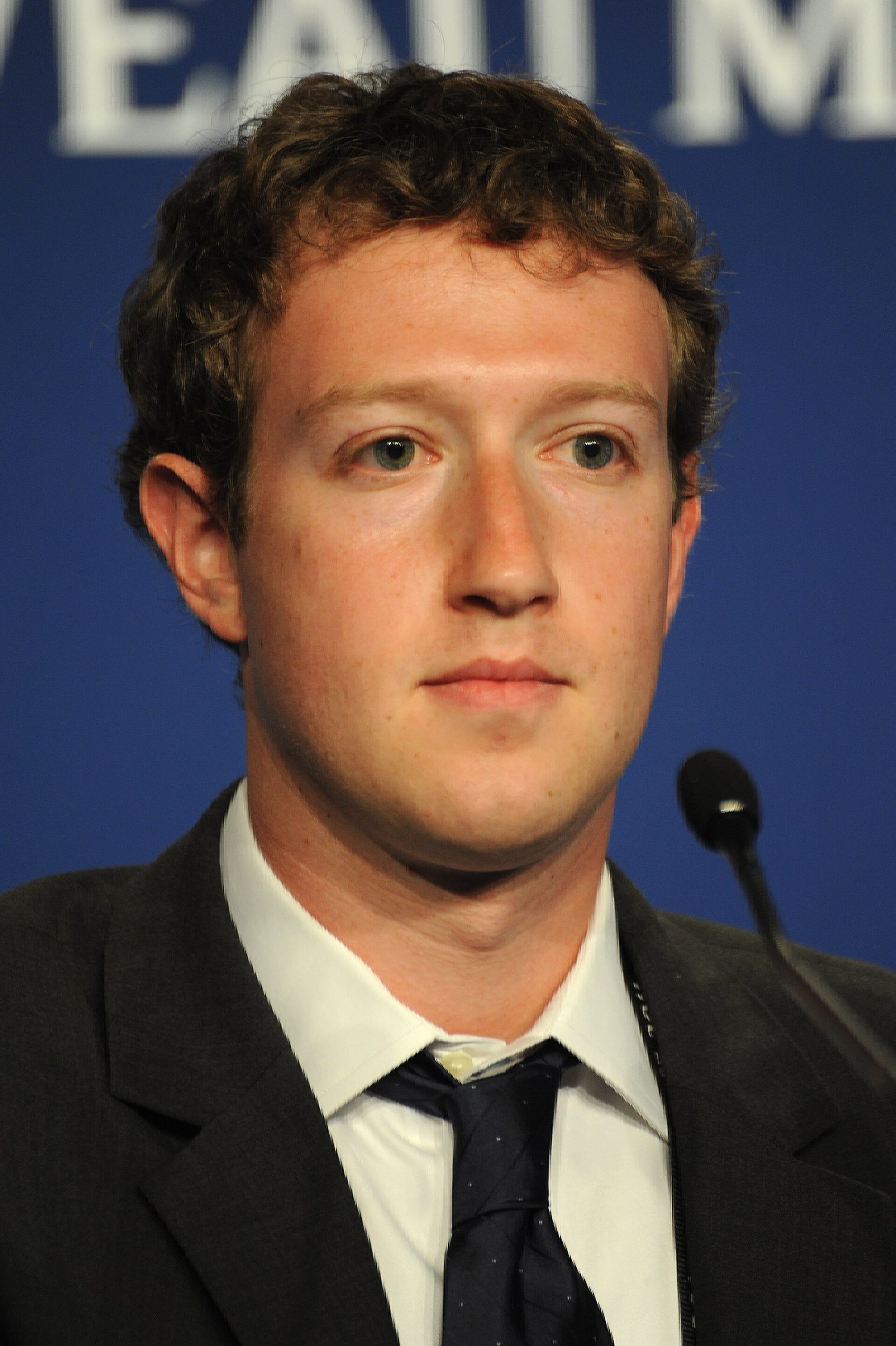
There’s little left to say about Mark Zuckerberg that hasn’t been said already, especially in the way of insults, although he has more than one flaw that, in the business world, becomes a virtue: ambition and arrogance.
When Zuckerberg visited Spain and was asked whether he was worried about competing with the Spanish number one (Tuenti), which led the social networking market in the country, he answered very directly. In essence, he said that Facebook had already run into similar situations in other countries, where there was a leading local social network, and had entered without any trouble, overtaking it within a few months; that when Facebook was created there were already important social networks; and that Tuenti did not worry him.
Arrogance that, when it translates into results, becomes confidence. And that’s how it turned out, since Facebook has dethroned Tuenti.
Tuenti’s big mistake
In this new world, it doesn’t matter if you’re the first to create something, because the competition is tough and very quick to copy a business model. You can’t stand still or stop innovating; in short, you can’t stop growing.
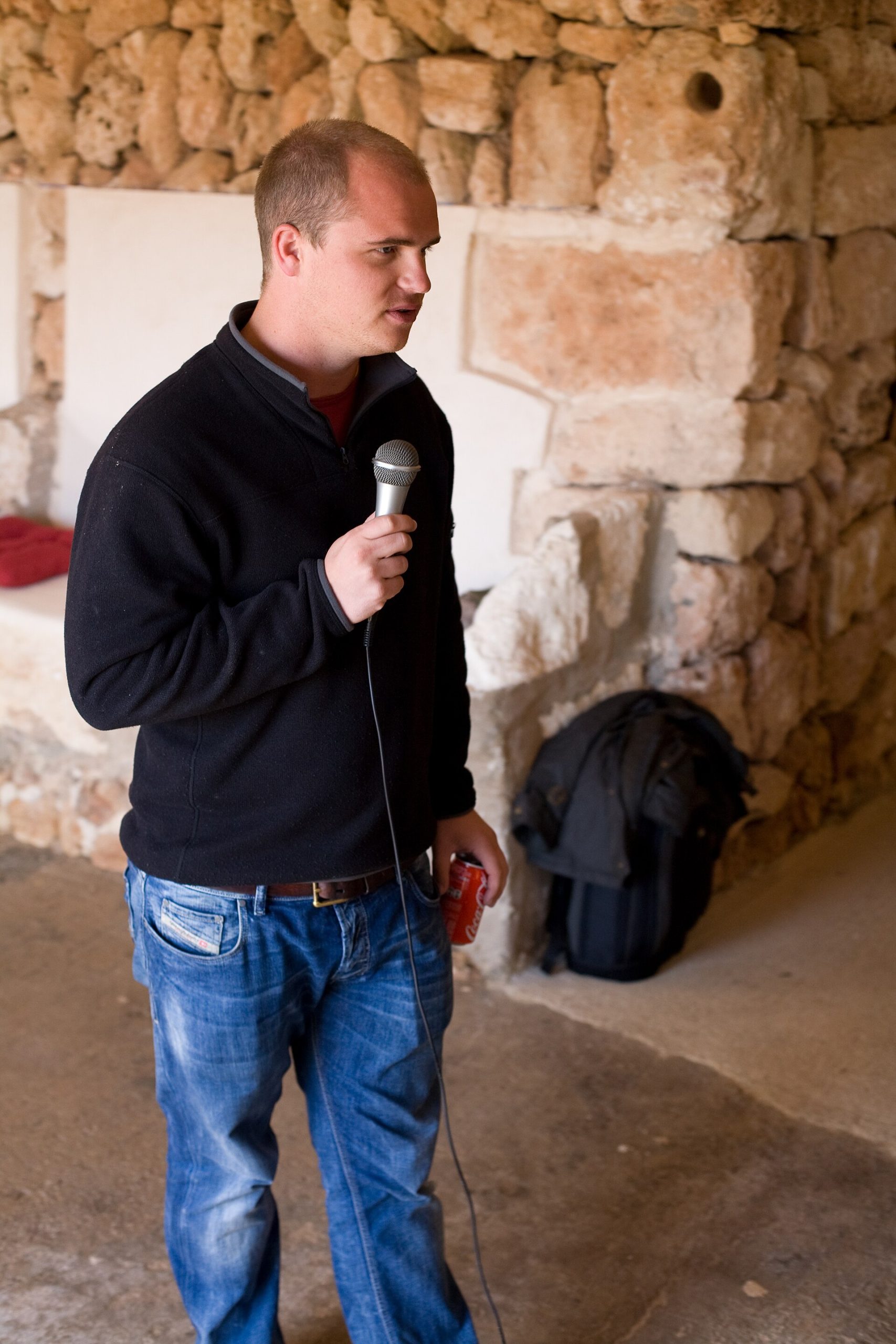
Zaryn Dentzel‘s big mistake was thinking that nobody would compete with him in his own country and putting off the conquest of new markets until later. His lack of ambition has left him out of the game in this market, because it’s unlikely that today, even with the backing of Telefónica, he can make a strong entry into new markets where the social networking giant is already established.
On top of that, Tuenti’s type of user hasn’t changed: today Tuenti is associated with teenagers who use the network purely for fun and not to get anything productive out of it.
Facebook’s best card
Facebook is no longer a social network just for fun; it has become a necessity for any company, user or corporation. If your business isn’t on Facebook, it simply doesn’t exist. But if your business isn’t on Tuenti, nothing happens at all.
A company’s value and importance are now measured by its number of followers on Facebook and Twitter, something Tuenti is trying to achieve now that it’s too late.
The media didn’t help
Another factor that worked against Tuenti was the Spanish media themselves, which, unconsciously or consciously (I don’t know what to think), behaved in “typical Spanish” fashion by knocking the home-grown product.
We saw headlines along the lines of “Girl harassed on Tuenti”, “She meets a stranger on Tuenti who turns out to be a rapist and paedophile” or “Tuenti has profiles of people who aren’t who they say they are”.
These stories about Tuenti clashed with the ones we saw whenever Facebook was mentioned: “Facebook reaches 400 million users worldwide”, “Facebook’s growth is unstoppable”, “Facebook now has 600 million users”.
Even so, the main problem was the lack of professional advice Zaryn Dentzel had, because with good advisers he would have expanded abroad long ago.
Telefónica’s strategy won’t work
Telefónica bought Tuenti with the idea of building the social network into its own handsets, and it already faces a dilemma: if it only offers Tuenti on its phones, it may fall behind in the market, because consumers want Facebook; more than that, they need Facebook and Twitter on their phones.
While Facebook has given users a considerable number of applications for websites, mobile devices and so on, Telefónica has done nothing for the network. It bought a product that it has completely abandoned, and it has been a mere spectator in a battle for control of the network in which it took no part.
Zaryn Dentzel is a great entrepreneur, a man of principle who isn’t driven by greed. Zuckerberg, on the other hand, is the complete opposite of Dentzel, but in business ambition is essential, and if you lack it, you get eaten by the ambitious businessman.
In short, while one never stopped moving, the other stood still.
Further reading
- The mindset of an entrepreneur: Donald Trump
- Differences between Hispanic and American business owners
- Common mistakes of Hispanic business owners
Featured image: Guillaume Paumier, CC BY 3.0, via Wikimedia Commons.




