Editor’s note: This article was first published in October 2014; the figures for internet users, Facebook’s monthly users and the size of the 3D printing market, including its forecast for 2021, are from that year.
The world is changing fast. Twenty years ago, fewer than 3 million people had access to the internet, and now more than 2.5 billion people go online practically every day.
Guns and cars are being made with 3D printers, along with smart clothing and smartphones that take our vital signs. As entrepreneurs and investors, it’s vital to behave like snipers aiming at a moving target: we can’t shoot where the target is, but where it’s going to be.
Which trends will change the future of business in this new economy?
To answer that, we turn to the report by Andrew Pitt, Citi’s head of thematic research, who together with the University of Oxford has produced a 92-page report analysing the impact of global megatrends.
This isn’t the first time Citi has produced a trends report. Some time ago we covered the most profitable technology industries to do business in, which included mobile payments, solar photovoltaics, compressed gas and renewables.
1. The world is becoming more and more integrated.
The number of “democracies” has grown and national borders have become more accessible and permeable, while even non-democratic countries such as China have increased global trade. We also have globalised media: Facebook, for example, is used by more than 1.1 billion people every month, and more than two-thirds of Hollywood’s revenue comes from international markets.
In the same way, with lower tariffs, it’s easier than ever to export and import.
That’s why companies today no longer think only about a national market with national competition. Companies fight in a global market where you’ll have to compete at home with foreign companies, just as you can go out and conquer markets abroad.
Today more than ever, as an entrepreneur, you need to think big and think global, or else you’ll be eaten up by someone else who thinks big.
2. The world’s population is ageing.
Fertility rates have fallen, which has increased the proportion of older people. People now have access to contraception, and women are looking for education and employment opportunities.
At the same time, life expectancy has increased thanks to new medical advances.
Population ageing is seen as a problem by governments almost everywhere, because of healthcare costs and the imbalance between people in work and retired people, although this sector also offers business opportunities for entrepreneurs.
And for investors, knowing about this trend is a must, because a growing number of older people also brings growing consumption of medicines to treat the countless chronic conditions that many elderly people live with today.
(Read: The 9 profitable businesses we’ll see in the short term)
3. Next-generation technologies.
Although today people talk about the internet, apps and social media, the truth is that other future technologies, less familiar to the general public, are the ones that will considerably change the way we live. Nanotechnology, genetic advances and 3D printing will end up having a huge impact on society, to the point of revolutionising the global market.
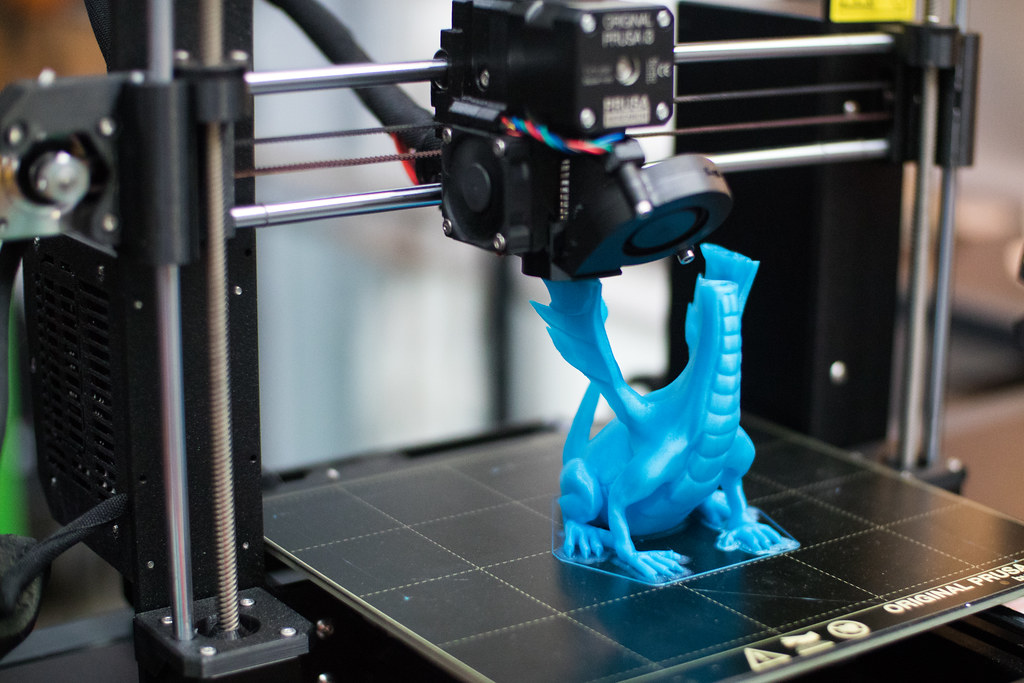
The 3D printing market is currently worth about 2 billion, but Citi’s analysts believe it will reach 12.5 billion by 2021. 3D printing will revolutionise manufacturing and the medical industries. It’s already used by companies specialising in particular niches such as dentistry, medicine and commercial jewellery.
In the future, 3D printing is expected to be able to make a vital human organ for transplant.
(Read: 10 jobs and businesses that will be booming in 2020)
4. Emerging countries will drive global economic growth.
By 2030, the world economy is expected to double. And by 2050 it is expected to double again, according to the OECD.
Emerging economies will catch up with developed countries in the coming years. China is already huge, having recently overtaken the United States as the world’s largest economy. And we mustn’t lose sight of India, which is shaping up to be the next big economy, although the political challenges India faces could reverse this trend.
5. Systemic risks are the new threat for globally integrated companies.
Whether the risks are digital or physical, regional or global, because the world is interconnected and companies outsource production to factories in different parts of the world, major natural disasters put supply chains at risk.

Natural disasters have already caused significant financial losses and drops in productivity. For example, heavy rains in 2011 forced many factories in Thailand to close. Global production of computers and digital video recorders fell by as much as 28%, which saw a listed company like Intel’s earnings cut by 1 billion dollars.
The total losses attributed to natural disasters came to 45.7 billion.
(Read: 10 trends that are changing the future of business)
Other profitable business opportunities in the new economy.
On top of everything above, technology will make its presence felt in other sectors such as new construction, where the trend will be towards smart homes and cities with sensors to make the most of energy and the comfort of a hyper-connected home.
When we set out the 33 possible businesses of the future, we included a trend in eating habits towards organic products.
Water desalination is another market worth investing in, not forgetting a huge trend towards artificial intelligence.
Climate control and personalised medicine will be growing industries, as will robotics and green vehicles, and probably driverless vehicles too, where companies like Google and Tesla will have a lot to say in the coming years.
And let’s not forget commercial space travel, with Virgin Galactic (Richard Branson) leading the way.
See also: The 20 best new profitable business ideas
Featured image: Ivan Radic, CC BY 2.0, via Flickr.