

Editor’s note: This article was first published in March 2014; the entrepreneurs’ ages, studies, company figures and number of women helped come from a BBC report of that time. Leila Janah, described as probably the best businesswoman on the planet, died in 2020.
Children and young adults draw on their imagination and lack of fear to give shape to their ideas. There are many stories of young entrepreneurs we could name today, from Maddie Robinson, the inventor of Fish Flops, who reached a million dollars at the age of 14, to Caine, the 9-year-old boy who, faced with his parents’ precarious situation, built an 80,000-dollar business by devising a sort of “amusement arcade” out of cardboard boxes.
The four stories below were gathered by the BBC. They belong to children who, for a moment, thought like adult businesspeople, and they are now very solid companies that employ a few people.
1. Leanna Archer: hair care products
This young New York entrepreneur began making hair care products at home with the idea of helping her family financially. Today her company, Leanna’s Inc, has a turnover of around 500,000 dollars a year.
Her first product was based on a recipe from her Haitian grandmother. She says many people she knew asked her what she put on her hair to make it look so nice. Everyone wanted to use what she was using, and at that moment the light bulb went on: she thought it would be a good idea to make the family hair recipe and sell it.
She gave out free samples, and people later came back for more. The product was good. What began as a way to earn some extra money is today a very profitable company that employs 8 people. She is now 18.
2. Anshul Samar: the chemistry whizz
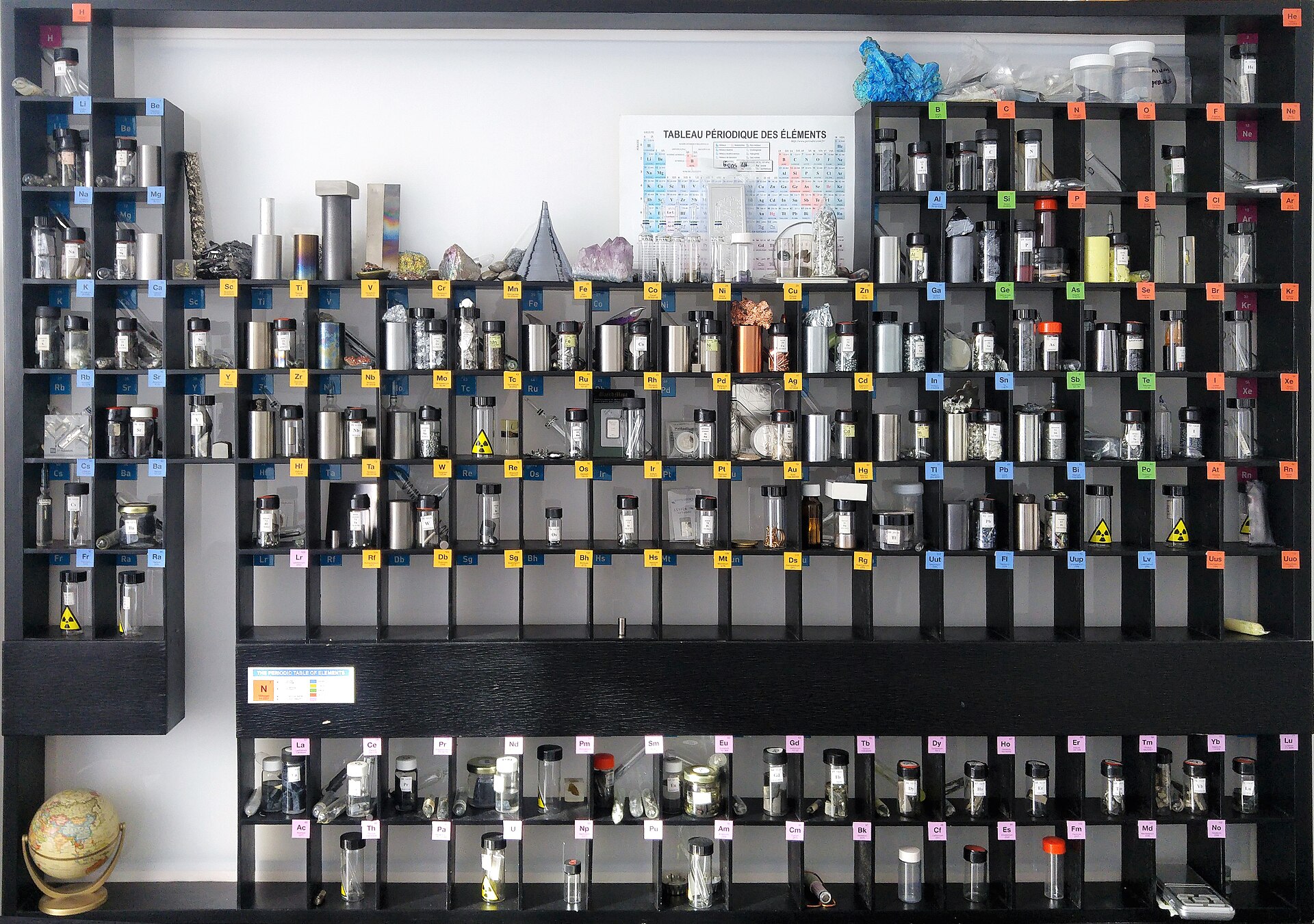
Anshul Samar‘s passion was chemistry, a subject that most other students seemed to find hard going. At 12 he came up with the idea of making a game for learning chemistry. For two years he shaped a project called Elementeo, which was essentially a card game featuring the elements of the periodic table.
At 14 he put it on sale. He started with 5,000 games, and they quickly sold out. He then made a second, more complete version and also developed the Elementeo app.
Samar says that because of a lung illness he had when he was 13, he felt he had nothing to lose, even if his idea failed. He is currently studying at Stanford University. We don’t know the turnover or profits his businesses have made, but they have no doubt earned him enough to pay for university and much more.
3. Ludwick Marishane: dry soap
Not everyone can afford the luxury of a proper shower. Marishane knows this well: he was born in South Africa, where millions of people have to wash with water from a bucket. At 17 he set out to invent a replacement for soap and water. He thought of a gel, but the gel foamed too much and still had to be rinsed off.
So he created a dry soap, DryBath, which you only need to wipe off the skin with a cloth to get rid of the dirt. As long as the world’s water problems persist, certain developing-world markets are this young entrepreneur’s potential market.
4. Ilwad Elman: the social entrepreneur
Elman was born in Somalia, where her father was killed when she was 3, so her family decided to move to Canada. But at 19 she decided to go back to Somalia to help, above all, women.
According to the BBC, this young entrepreneur has helped more than 1,600 women start their own businesses, no easy task in a place like Somalia. Her organisation also provides counselling, education and medical services. Her biggest fight: “helping women who are victims of sexual assault”.
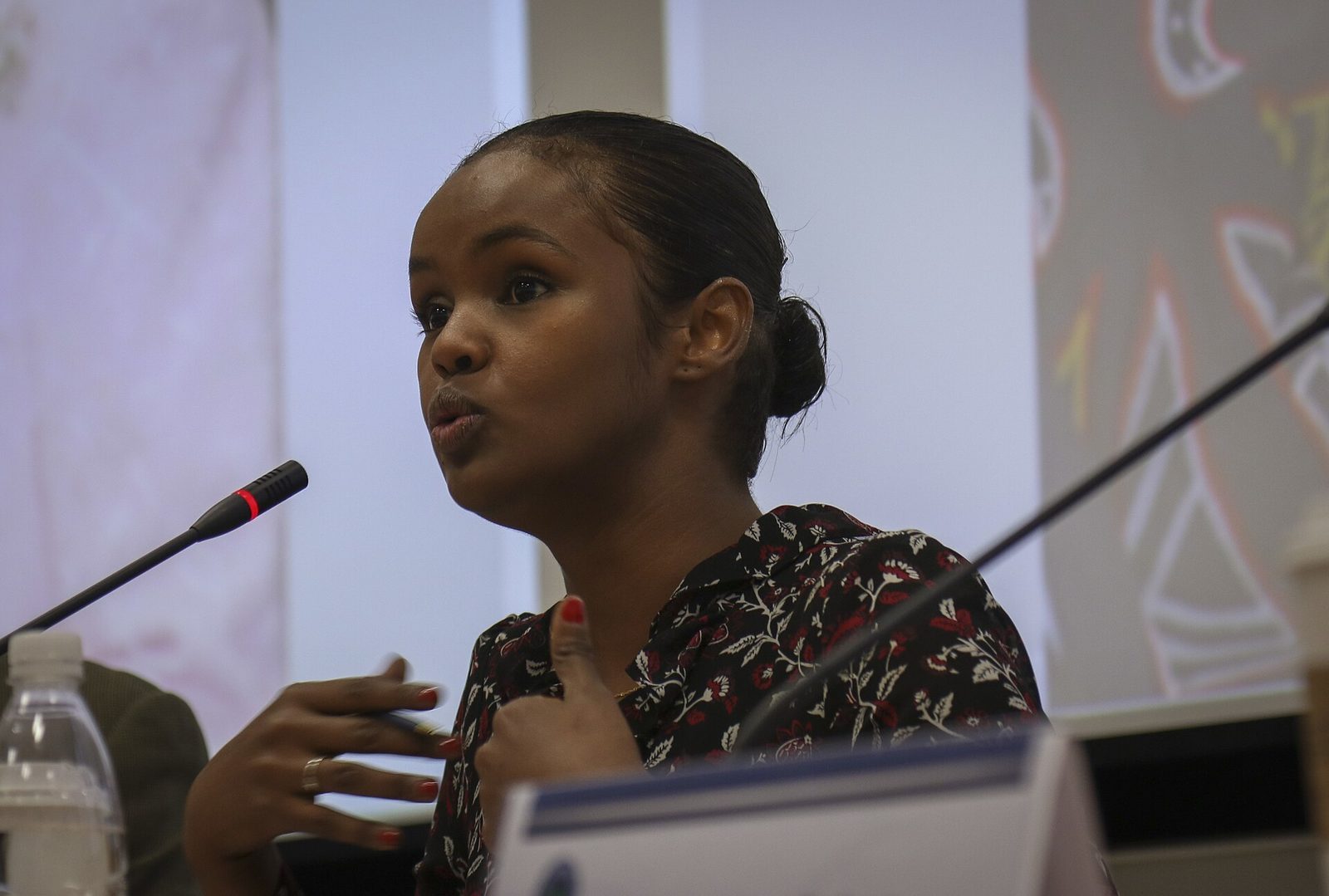
Her biggest challenge: changing the mindset of the country’s leaders, who often cannot bear the idea of a capable young woman trying to deliver this kind of hopeful message to women.
It is a similar case to that of Leila Janah, probably the best businesswoman on the planet.
All these young people say they had the same problem when they started their businesses: nobody took them seriously, and people thought it was just another whim. Today nobody doubts that they were very serious when they said they wanted to be entrepreneurs.
Further reading
- 5 business ideas invented and patented by children
- 10 tips for raising entrepreneurial children
- 6 business ideas that originated in Asia
Featured image: User:Xav26, CC BY-SA 4.0, via Wikimedia Commons.



