Editor’s note: This article was first published in June 2011. Its figures and forecasts are from that time, including more than 460 million Chinese internet users, expected to double by 2012, though official counts were still well short of that by the end of 2012, and Renren’s May 2011 listing.
I’m not sure which is worse: the Chinese government’s lack of ethics, or the way the rest of the world tolerates the strategy China has drawn up to carve out a place in the dot-com market. The fact is that China promises to be the next tech giant and, on top of that, the leader in social networks.
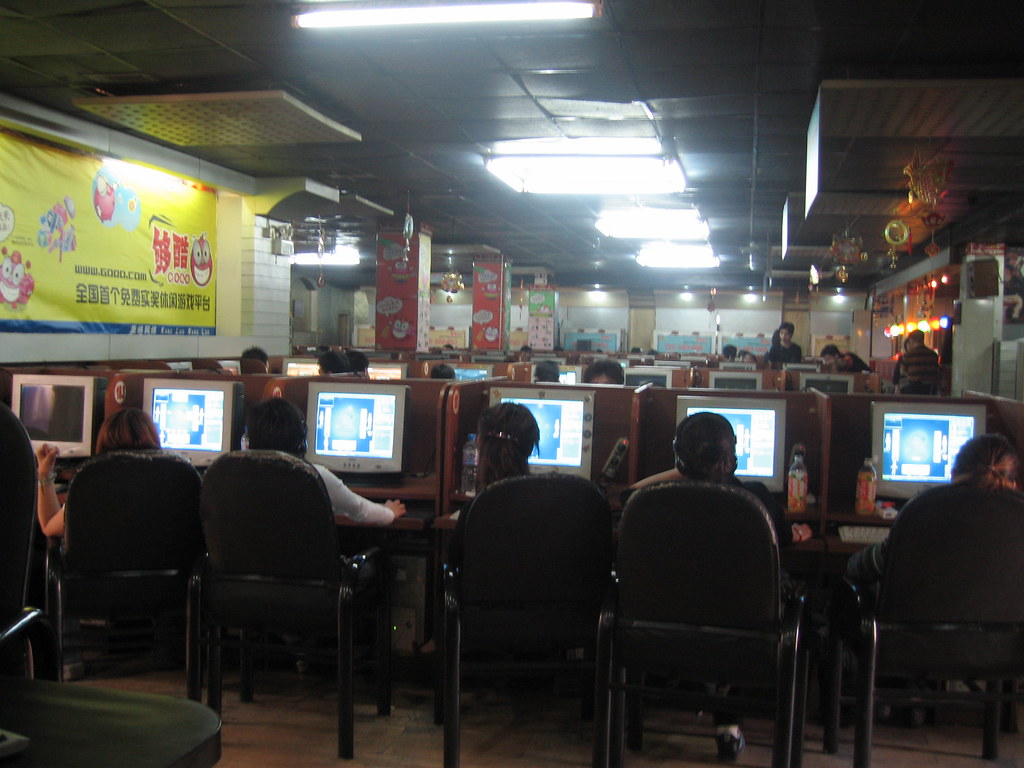
Its strategy is as simple as it is unorthodox. China currently has more than 460 million active internet users, and that figure is expected to double by 2012. Its censorship policy keeps out networks such as Facebook, and its running battle with Google is no secret. China blocks Gmail, and when users try to access Facebook they simply get the message: “This page could not be loaded.”
What’s going on? Don’t they want social networks, search engines or email? Clearly they do, but a large part of the secret of China’s industrial growth lies in using Chinese products and exporting them all over the world.
China already has its own Facebook, a social network called Renren, which already has 117 million users. This May it went public on Wall Street, where its shares soared 70% within a few hours. Not only do they keep competitors out at home, they also raise money abroad. More than half of the companies that made their market debut on the NASDAQ were Chinese, and investors welcomed them.
Weibo is China’s next bet, a direct competitor to Twitter.
Their business model and censorship guarantee success for their companies: these Chinese dot-coms will be able to reach 800 million users, while the competition won’t even get close to this kind of internet user, who, as we all know, is a good consumer.
The Asian giant could be following the Eastern example of Sun Tzu (The Art of War). It’s a kind of competition that moves in slowly, takes key positions and keeps its “enemy” at a distance, and before we know it, we’ll be surrounded.
We have nothing against China, but personally I would open a debate on whether we’re letting them acquire more than we should.
Further reading
Featured image: Kai Hendry, CC BY 2.0, via Flickr.