

Editor’s note: This article was first published in September 2010; the suggestion to add Twitter and Facebook to your card and the remark that few holders exist for oversized cards reflect that time.
Sometimes we decorate our business premises, polish every detail of our office, dress to make the best impression and chase innovation, yet we fail to give proper importance to an external marketing tool such as the business card.
Bear in mind, especially if you go out to look for customers, that they don’t know your office and have probably never heard of you. After a conversation with you, they will have only one reminder of you and your company: your business card.
Once you have left the meeting, your business card is the only thing that person will keep, and it is your first point of contact with the customer. That person also receives visits from other companies, so by the end of the week or the end of the month, when they look at your card, they will probably have no idea who left it.
A business card should follow a few essential marketing guidelines:
- It should be simple but eye-catching: I remember once opening my card holder and finding a card with a black background and bright gold 3D lettering. All it showed was a name and a website address. Since I couldn’t remember who had given it to me, I couldn’t resist going online to find out more about them. Had it been the typical white card with typewritten lettering, I might not have felt that urge.
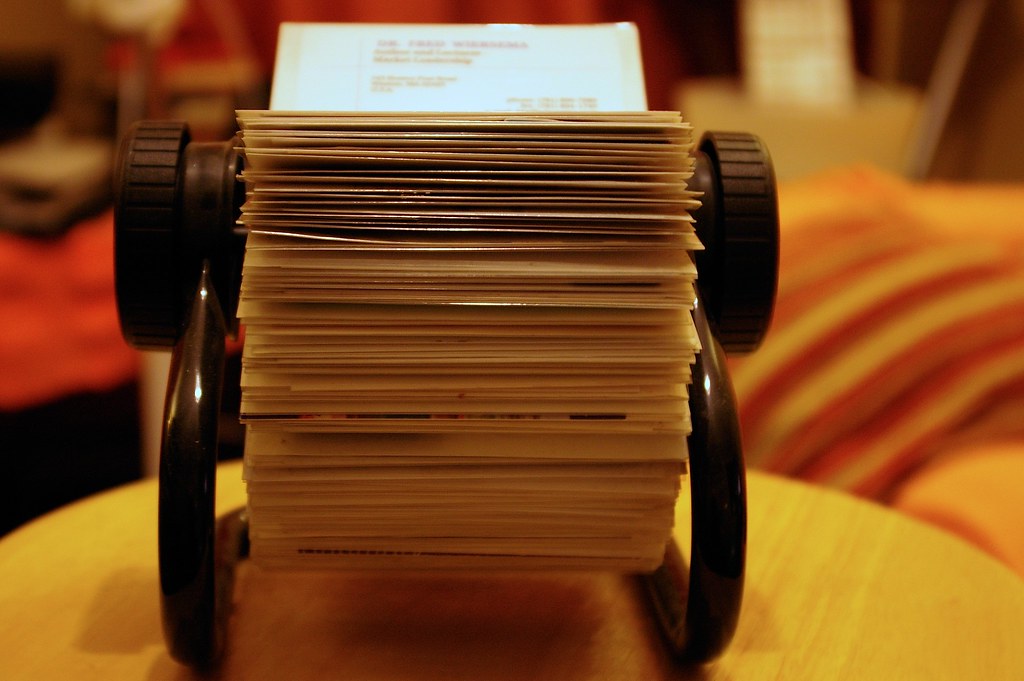
- Standard size: There still isn’t much choice of card holders for oversized cards, so if you make a card that doesn’t follow the usual dimensions, it may not fit in a card holder and could end up lost at the bottom of an inside jacket pocket.
- Contact details and information: The more ways to reach you and the more varied the information you include, the better. These days you can add your Twitter, Facebook, website and so on.
Just remember one thing. When your company moves beyond its local area to expand and win new customers, it doesn’t matter whether it is big or small. You need to convey a sense of stature with a good personal presentation, a good website and a good business card.
More than once, large companies have ventured outside their home area and failed to show their stature to a customer who didn’t know them, while companies based in small premises have gone out and won the customer thanks to professional corporate image marketing.
Further reading
- An entrepreneurial mindset for times of crisis
- Advertising systems for your business
- How to run a business in times of crisis
- Differences between Hispanic and American business owners
- 5 ways to grow your business
Featured image: Ged Carroll, CC BY 2.0, via Flickr.


