Editor’s note: This article was first published in November 2015; Ray Kurzweil’s age (67), the number of pills he takes (about 100, down from 250) and the figure of 1 million dollars a year are as reported at that time. This article describes one person’s supplement regimen and is not medical advice. Consult a doctor before taking supplements or changing any medication.
Ray Kurzweil is considered Google’s leading futurist; he joined the company in 2012. He is one of the most brilliant minds in the world in artificial intelligence and technology, as well as the author of five bestsellers, including The Singularity Is Near (a term he uses to describe immortality) and How to Create a Mind, both of which show what the future holds and the advances currently being worked on.
Kurzweil is 67, although, according to him, thanks to some unusual habits his biological age is 40.
His main goal is to find the secret of immortality, something he insists can be achieved. To that end he currently spends 1 million dollars a year on food and on 100 pills that should help him live long enough to benefit from the technology that will let us live forever.
Some people call him mad when he makes these claims, but he isn’t the only one who thinks that human cellular ageing can be delayed, or even stopped altogether. Remember that there is no genius without a touch of madness, and most geniuses were called mad until their madness paid off. Then they were called geniuses.
In the meantime, Kurzweil has studied certain aspects of ageing and, through diet and supplements, he believes he can stop some of the many processes that cause it.
Thanks to advances in technology, he no longer has to take 250 pills a day, as he did a few years ago. Now he takes only about 100, aimed at heart health, eye health, sexual health and brain health.
One example is phosphatidylcholine. This is an important component of our cell membranes. As children we have a large amount of phosphatidylcholine in each of our cells, but as we get older it runs out, which makes the skin lose elasticity and our organs work less efficiently. So, according to Kurzweil, if you want to counter this you can take supplements containing phosphatidylcholine.
Another age-related degenerative condition is atherosclerosis, in which plaque clogs the arteries. Everyone experiences it to a greater or lesser extent as they age.
Unfortunately, it can lead to strokes and frailty. It can be stopped or even reversed if it is managed aggressively with diet, supplements and exercise.
According to the researchers Emile G. Bliznakov and Gerald L. Hunt, coenzyme Q10 stimulates the immune system, increases the strength of the heart without exercise, and slows down the ageing process.
The rest of the diet has to be looked after in the same way, with healthy carbohydrates, meaning whole grains, which include a good portion of fibre and help keep the digestive system running smoothly (as opposed to unhealthy ones, such as sugar and refined or processed carbohydrates like white bread).
Berries, smoked fish and soy milk are rarely missing from the daily diet of this Google genius, as sources of protein, and neither is dark chocolate.
And now a few questions remain. Will he manage to delay his own ageing? Will the day come when we can reach 100 full of vitality? Or live to 500, as Google says? And what would Christine Lagarde think of all this?
See also: The year 2064: what science and technology will look like 50 years from now
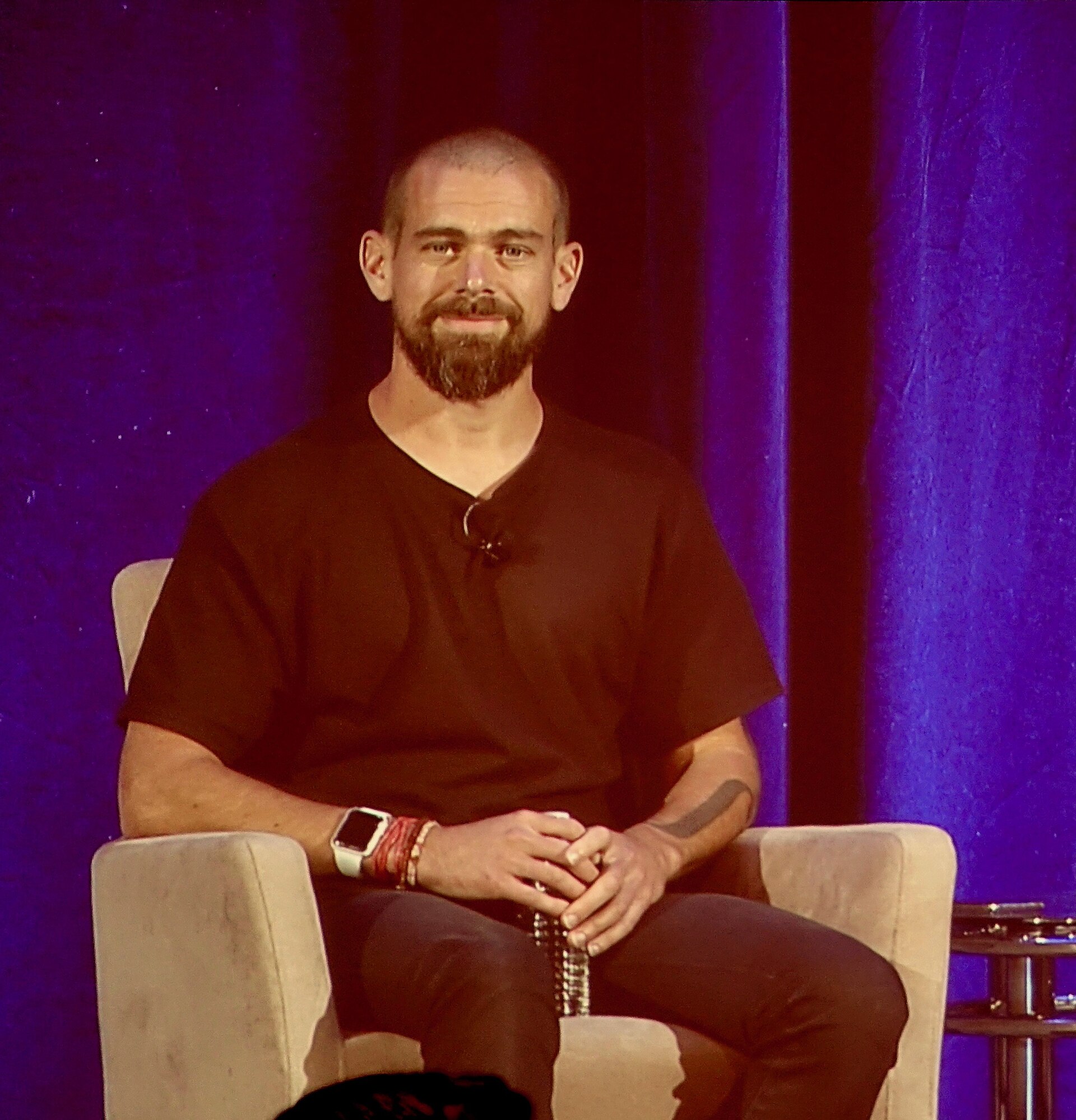
Featured image: nrkbeta, CC BY-SA 2.0, via Wikimedia Commons.