

Editor’s note: This article was first published in June 2011. Since 2013, Spain’s late-payment law (Ley 3/2004 as amended by Ley 15/2010) generally caps business-to-business payment terms at 60 days, so paying suppliers at 6 months or 150 days is no longer lawful in most cases.
Through its supplier model and the way it does business, El Corte Inglés (Spain’s largest department store chain) shows us every day two basic lessons we can learn from. The first and shorter one is how to grow a business by getting your own suppliers to finance it, although we already know this one and it’s simple to explain: “Lengthen the time you take to pay suppliers and shorten the time it takes to collect from customers.” In short: sell on 30 days’ credit and pay at 6 months. That gives you five months of room to manoeuvre and of free-flowing capital.
The second point is more delicate. It’s really a warning for entrepreneurs who one day get a call from the giant and saviour, when in reality they are about to take a stroll through the depths of hell. This system used by El Corte Inglés has been adopted by various companies. It is within the law but outside ethics, and that’s why some business owners will always remember companies like this as the ones responsible for sinking their business. Here is an example of how to sink your business in 4 steps.
Introduction
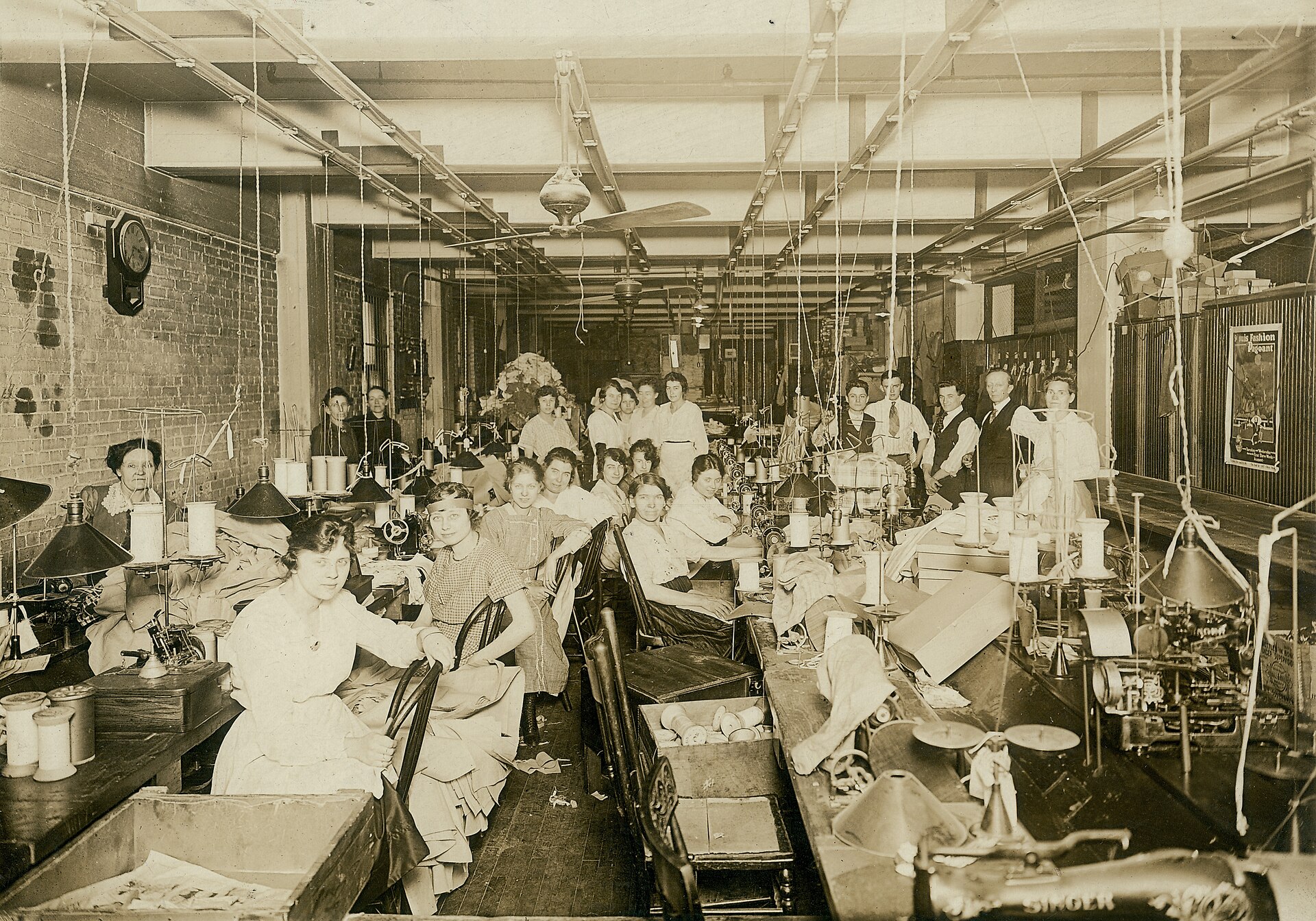
Imagine you have a small shirt-making business. It’s a family business with only 4 employees.
Step 1. A business opportunity comes along
You get a visit from this company, which offers you the chance to work with them. They ask you to make 100 shirts a week for them and you reach an agreement. They will pay you €5 per unit. It’s an excellent opportunity, as your business will make about 400 more shirts every month. You have a new customer, a well-known one that even improves your image in the market.
Step 2. Your business’s profitability and output increase
The company is very happy with your service. You’ve met delivery deadlines, the quality of your garments is good and the finish is excellent, so they have sold wonderfully in its stores, to the point that they now ask you to make 200 shirts a week instead of 100.
There is nothing better for a business owner than watching the business grow and output increase. With this collaboration and the bigger production run you’ll even need to hire two more people to double the order for this important company. Never mind: everything is going swimmingly.
Step 3. Become a big company
You receive a third visit, in which you are offered the chance to make 10,000 shirts a week, about 40,000 a month. At that moment all your dreams come true: you’re about to stop being a small business and become a major business owner. You make your first investment in machinery, because at these order volumes manual production won’t do and you need to industrialise your company. More staff, new machinery and, in short, new loans that will increase your debt. But that’s no problem, because you have a strong customer backing your orders and guaranteeing that your business will be profitable.
At this point, some even run the numbers on dropping their old customers and working exclusively as a manufacturer for this company. The smartest set up two production lines, one for the “big company” and another for small orders. Either way, the investment in new hires and machinery has already been made.
Step 4. Goodbye to your company
Another visit from the big company. They need 15,000 shirts a week, but competition has increased and they can no longer pay you €5. They will pay you €2.50 and, because of cash-flow problems, you’ll be paid at 150 days instead of 90. Take it or leave it, as they have plenty of companies eager to work with them.
At this point you have two options, and both lead to the same place.
- Accept: You’ve made a heavy investment and have to pay for the machines you bought; you’ve taken on more staff and can’t afford severance pay right now, or you simply don’t want, on moral grounds, to lay off parents with families to support. If you accept, the new price they’ll pay for your product will leave you with much lower or zero profitability, and being paid at 150 days won’t help your company’s liquidity either. Your business is now at risk, while the big company will double its profitability thanks to you.
- Refuse: Knowing that working on those terms will leave your business unprofitable, you decide not to go along with it. So you lose your biggest customer and are left with enormous debt and more staff than you need. You’ll have to lay off workers and work miracles to stay as profitable as before, with more debt than back when you were a family business. In 85% of cases, the end is total and utter bankruptcy, especially if you dropped your small customers to serve the big one. Now you’re an outcast to your customers and possibly to your market. Your company’s closure also benefits these companies, since they’ve taken a seller off the street.
This business system is more widely used than we think: big companies that appear as the saviours of a small business, when their ultimate aim is to make it a slave to their system or make it disappear, and so eliminate part of the small competition.
We have used El Corte Inglés as the example, although there are well-known, prestigious companies that copied its system long ago.
Further reading
- Ways to grow a business
- How to improve sales at a business in crisis
- Reasons why a new business fails
- If you have a business idea, 10 tips for making it happen
Featured image: Unknown author, Public domain, via Wikimedia Commons.



