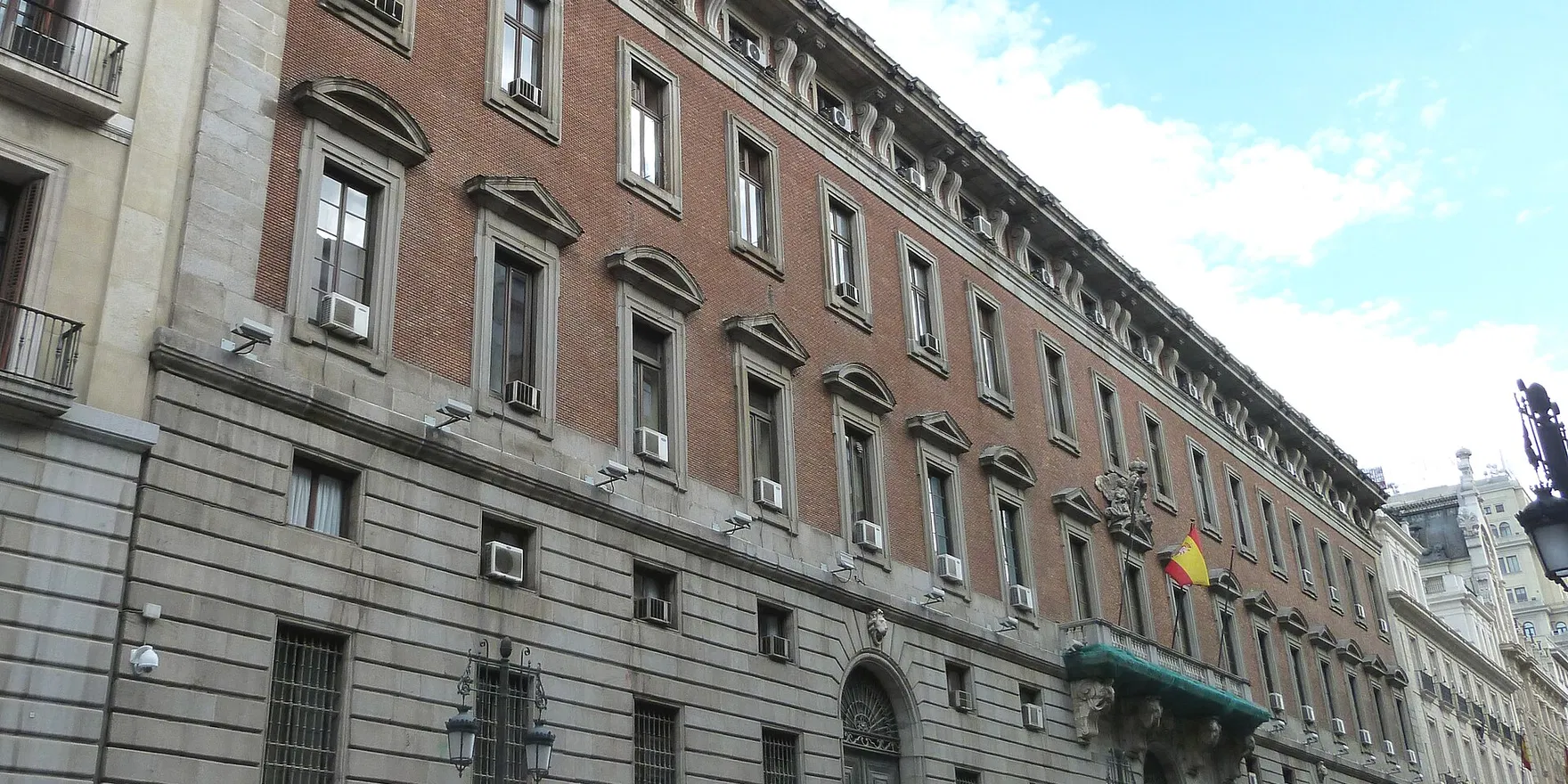
In the spring of 2011, the crisis in the Spanish financial sector had set off a fight for deposits from small investors and individual savers. We’ve always regarded putting money in a fixed-term deposit as a risk-free investment. But the Ministry of Economy was concerned that banks were offering rates above inflation, as high as 4.5% in some cases.
The thinking was that a bank short of cash could use those rates to bring in deposits quickly, cover payments as they came due and, above all, “steal” customers from weaker banks. There was already talk of “unfair competition” and concern that the fight for deposits would push rates so high that the financial system would take another hit.
The Ministry of Economy warned savers to choose their deposits and banks carefully during the restructuring of the banking system.
The Ministry of Economy also moved to curb practices it considered opportunistic, risky, and harmful during the crisis. As part of its overhaul of bank capital rules, the ministry proposed requiring banks that offered excessive deposit rates to contribute more to the Deposit Guarantee Fund (Fondo de Garantía de Depósitos), which protects depositors if a bank fails. Under Royal Decree 771/2011 of June 3, deposits paying above the applicable threshold, set at 1 to 1.5 percentage points over Euribor, were counted at five times their value when calculating each bank’s contribution to the fund.
The idea was to keep banks from regaining the freedom they’d already abused. We’d seen where that led.
How much of a saver’s money did Spain’s deposit guarantee cover in 2011?
The fivefold weighting went into the calculation of what the bank owed the fund. For savers, the guarantee covered up to €100,000 in eligible deposits per person at each member bank, under Article 7 of the 2011 deposit guarantee rules. Say you had €70,000 in a high-rate term deposit and €50,000 in a savings account at the same bank, both in your name. The fund would count the two balances together, leaving €20,000 above the guarantee limit.
Further reading