

Editor’s note: This article was first published in April 2012 and was written with newspaper job ads in mind, with replies sent to a website or a PO box; today most vacancies are posted on job boards and social networks, where anonymous listings work differently.
Those of us who work in human resources know and understand the problems caused by “recommended” candidates: the favours asked by people close to the company, whose acquaintance has handed them the CV of a relative or friend, presented as the best candidate in the world for our company. Sometimes that turns out to be true; at other times it is the worst of the available options.
If we work for a large company, these favours come up far too often, and turning them down causes awkwardness, because a refusal is not always understood correctly. Many of these problems are solved by outsourcing the recruitment process.
And they grow when the company runs an advertisement in the media announcing vacancies to be filled. This is one of the reasons why there are open ads and blind ads.
Blind ads
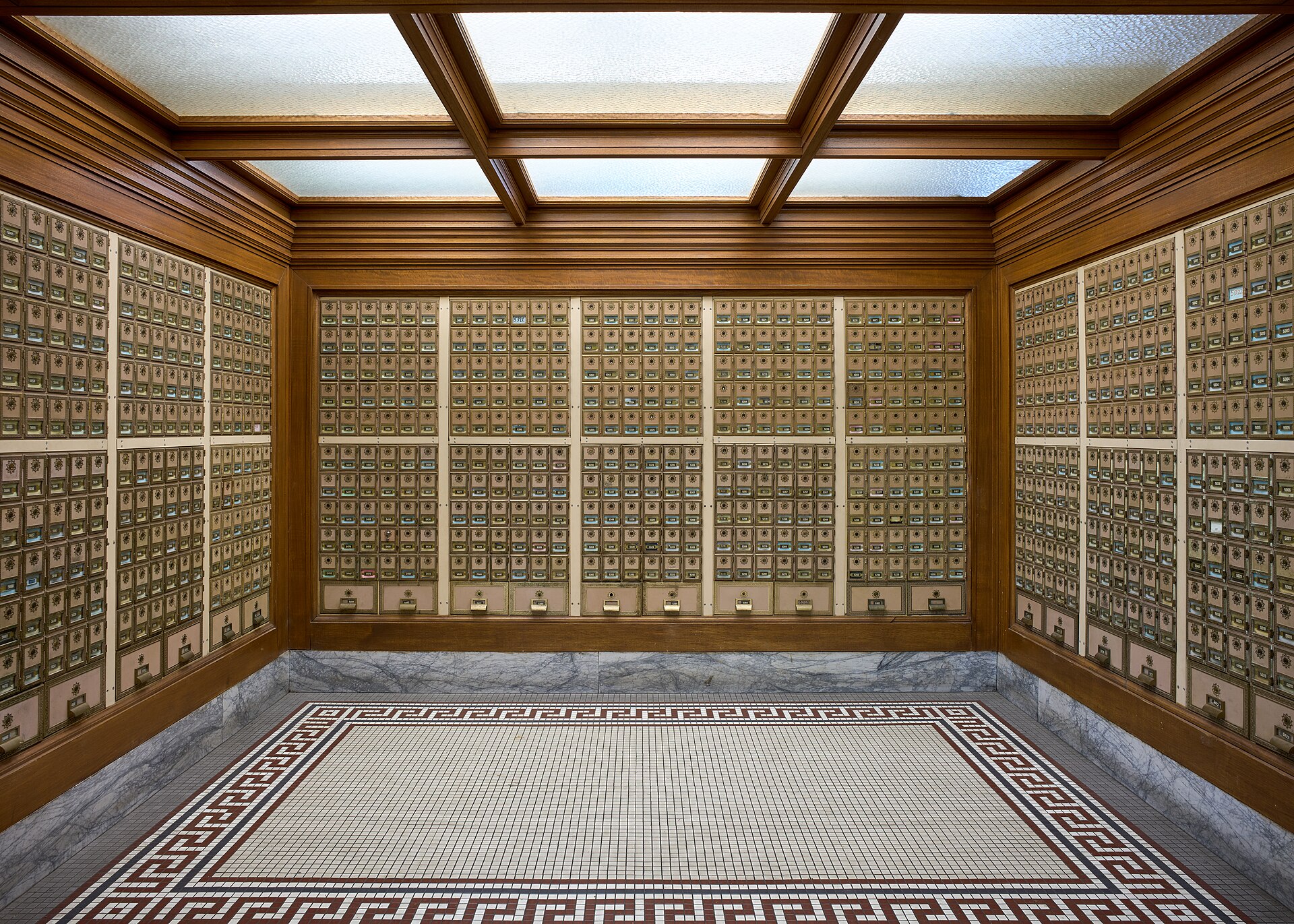
A blind ad, in the press, is one that does not identify the company behind it. It does not show its logo, its name or any other detail that could identify the company. In human resources, replies are usually directed to a website or a PO box.
Some of the reasons for placing this kind of ad are:
- To avoid candidates’ interference with the company behind the ad. The company does not want to create initial expectations that could get in the way of an impartial process.
- To remove suspicion when the ad is placed to fill the spot of a current employee who is expected to leave imminently, and not voluntarily.
- To exclude referred candidates (people with connections) who may be drawn to a particular company, if it shows an interest in bringing new employees onto the staff.
- To hide the company’s weaknesses, which could reveal shortcomings in certain areas of the business that competitors might take advantage of.
Open ads
Obviously, an open ad is the opposite: an ad whose main feature is the company placing it, with its logo and trade name.
The reasons for placing an open ad are:
- To show the company’s strength. Many candidates apply simply because of the name of the company advertising the vacancy. That is the power of the company’s image.
- To increase the number of CVs received, so that the process includes as many candidates as possible and there is a wider range from which to find the best option.
- To publicise a company that is booming, growing its output, expanding and committed to creating jobs. It is part of its corporate image.
- To select candidates, keeping out CVs from people who are not suited to the position or to the company in question.
The ad from the candidate’s point of view
An ad should set out the rights and duties of both the company and the candidate; in other words, what they are looking for, what they ask for and what they offer. Hiding information can be as good as it is bad.
One of the things expected of a candidate in a selection process is that they know the company they are applying to, out of interest in the position and motivation towards the company considering them. A candidate starts at a disadvantage if they do not know which company is looking for them.
Blind ads can also lead to duplication. A candidate may have applied to a company that placed an open ad and been turned down. Yet they may go through the process again if they do not realise that the company advertising the vacancy is the same one they have already applied to.
It is a good idea to try to work out which local company might need people with that particular profile and, of course, if it is not your profile, do not send your CV to that offer. If you are invited to an interview, do not ask them why they placed a blind ad.
If the position, the requirements and the needs they describe match what you can offer, go ahead and apply. When in doubt, apply and let them be the ones to turn you down: you never know which opportunity will turn out to be golden.
Featured image: © Frank Schulenburg, CC BY-SA 4.0, via Wikimedia Commons.



