

Editor’s note: This article was first published in July 2011. Its claims that no machine has matched these returns and that machines cannot profit in falling markets were opinions of 2011 that have aged, given the growth of algorithmic and quantitative funds.
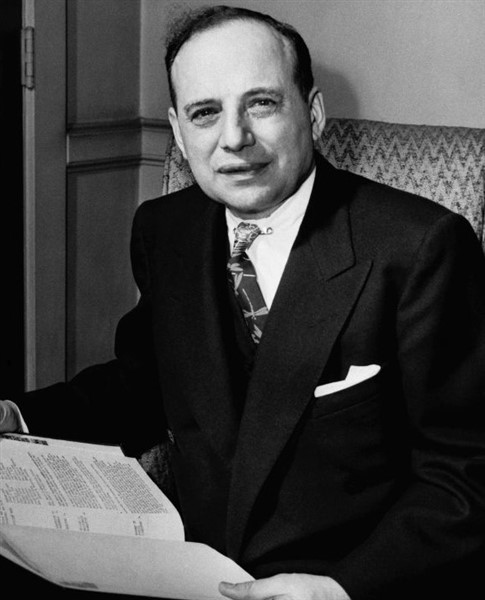
Here we bring together the people considered, so far, to be the best investors in the world. It is worth noting that these veterans of investing run counter to today’s investment methods and mechanized stock analysis. Benjamin Graham (author of The Intelligent Investor and Warren Buffett’s teacher) made one message clear: anyone with a brain can make money on the stock market.
Benjamin Graham must have been right, since to this day no machine has matched the returns these investors achieved year after year. That is all the more striking because every investor on this list is a long-term investor: they choose a stock and hold it for years, even decades.
- Peter Lynch: an average annual return of 29.2% over 13 consecutive years.
- Joel Greenblatt: a return of 30.8% over 17 years.
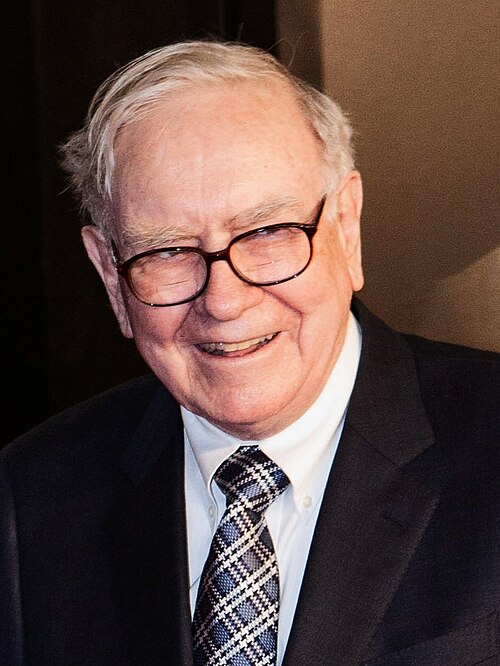
- Warren Buffett: an average annual return of 24% over 32 years.
- Joseph Piotroski: an average annual return of 23% over 20 years.
- Benjamin Graham: an average annual return of 17% over 30 years (not bad at all, considering he lived through several financial crises).
- Jim O’Shaughnessy: an average annual return of 17.1% over 42 years.
- David Dreman: an average annual return of 16.6% over 11 years.
- Martin Zweig: an average annual return of 15.9% over 15 years.
- John Neff: an average annual return of 13.7% over 31 years.
Source: Forbes.com
At any given moment, any investor can achieve a return of 20–28% (it isn’t the norm, but it happens). If that is hard enough to do over 12 months, doing it for 30 years in a row takes great mastery, discipline and, of course, brains. Getting high returns isn’t difficult when you catch a market at a low point with news of growth ahead. The hardest thing is making profitable investments when the market is overvalued and suddenly collapses.
At that point no machine is capable of making a profit, because in that situation machines just give you sell orders. So even if some of you think these returns aren’t very high for such masters of investing, remember that they achieved them in both rising and falling markets. The brains of these financial geniuses have beaten the complex algorithms of computer programs.
“Be fearful when others are greedy, and greedy only when others are fearful.”
Further reading
- Where Warren Buffett invests: his portfolio
- Warren Buffett’s talk on investing and business, in 9 videos
- Investing like Buffett: 10 tips
Featured image: Anthony Quintano, CC BY 4.0, via Wikimedia Commons.




