Editor’s note: This article was first published in December 2012; the 2012 campaign, the advert ban, the company’s claim of 10 million households and the Christmas 2012 sales outlook reflect that time. The piece presents Pepsi as a rival; SodaStream was later acquired by PepsiCo in 2018.
In the soft-drink business there has long been a battle for market leadership between two corporate giants, Pepsi and Coca-Cola. It would be hard to imagine a new company competing with them, especially with the century-old Coca-Cola. And it probably isn’t possible to compete against them, although they now face a rival that has known how to attack their weak spots, to the point where it could cause these companies to lose revenue.
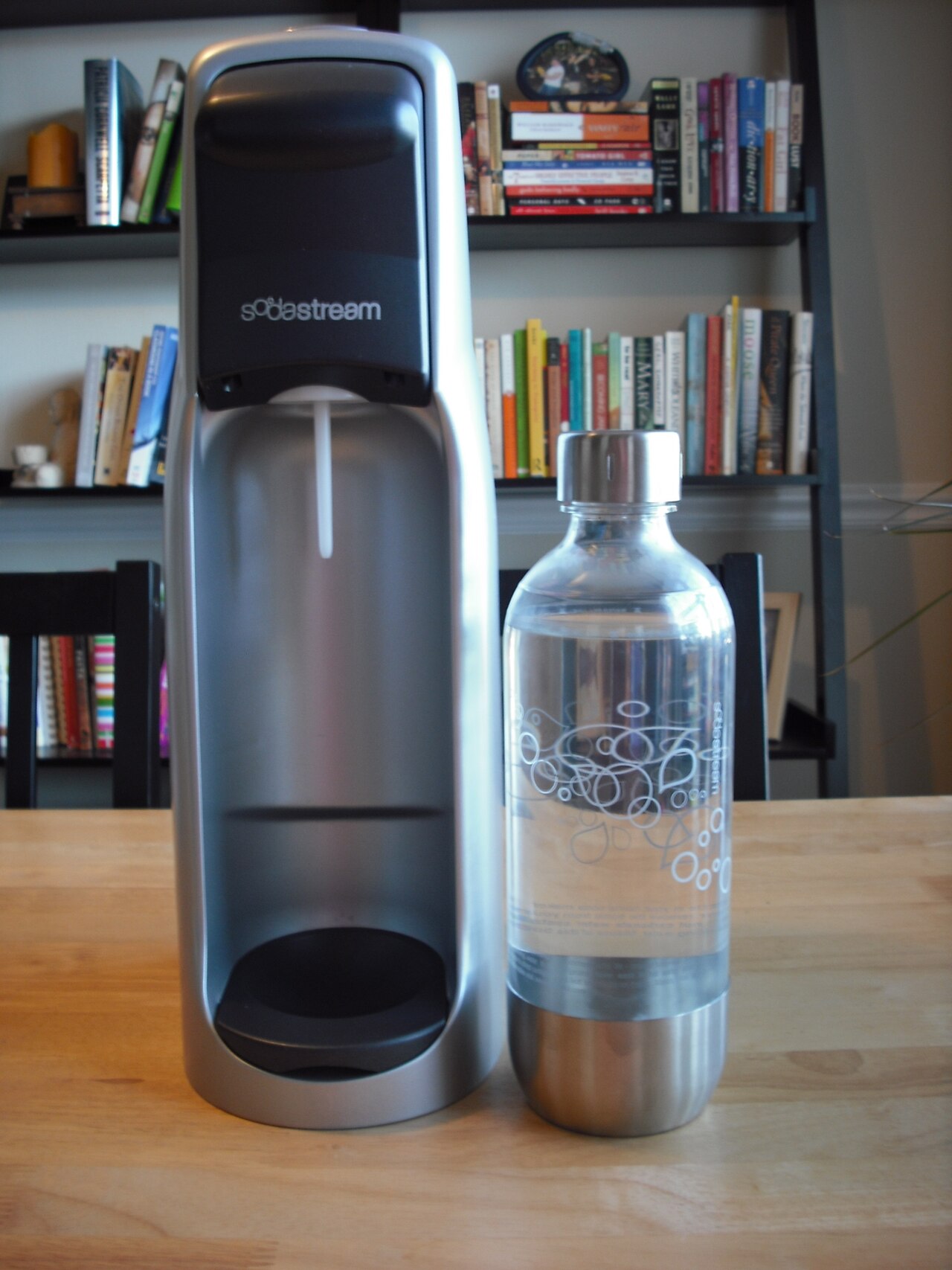
SodaStream is a company that has invented a machine for making fizzy drinks at home quickly and easily. All you need is tap water, flavoured syrups and a device with gas cartridges, and in less than 30 seconds you can enjoy a family-size soft drink without a trip to the supermarket: cola, orange, lemon, tonic, green tea and so on… although SodaStream is already coming under attack from the big players.
Last summer, SodaStream launched an aggressive advertising campaign built on attacking the big companies’ weak spot: the environment. The company set up cage-shaped glass displays filled with discarded empty bottles, most of them Coca-Cola plastic bottles, and based its campaign on the message that “using SodaStream means respecting the environment”.
Coca-Cola wrote to the company asking it to withdraw this kind of advertising, since it was using Coca-Cola’s image without permission, and said it could take legal action against the company. SodaStream argued that such a lawsuit would be groundless, and now it is attacking again, and not without consequences.
SodaStream made a TV advert that was quickly banned because it supposedly disparaged other soft-drink makers. This is the controversial advert:
Watch: SodaStream’s banned advert
Thanks to the ban, SodaStream is more visible than ever, because the words “censored by the big brands” grab consumers’ attention, to the point that the soft-drink machine could be one of the star gifts this Christmas.
Do the big brands have reason to worry? According to the company itself, 10 million households already have the machine at home, which means 10 million families that no longer buy their soft drinks at the supermarket.
Sales are expected to rise considerably thanks to its own competitors, who have given the company free publicity that SodaStream has known how to take advantage of.
Featured image: Meaghan O'Malley, CC BY 2.0, via Wikimedia Commons.