Editor’s note: This article was first published in May 2013, in the middle of Spain’s economic crisis; the TV appearance it reports took place on Telecinco’s El Gran Debate, a programme no longer on air.
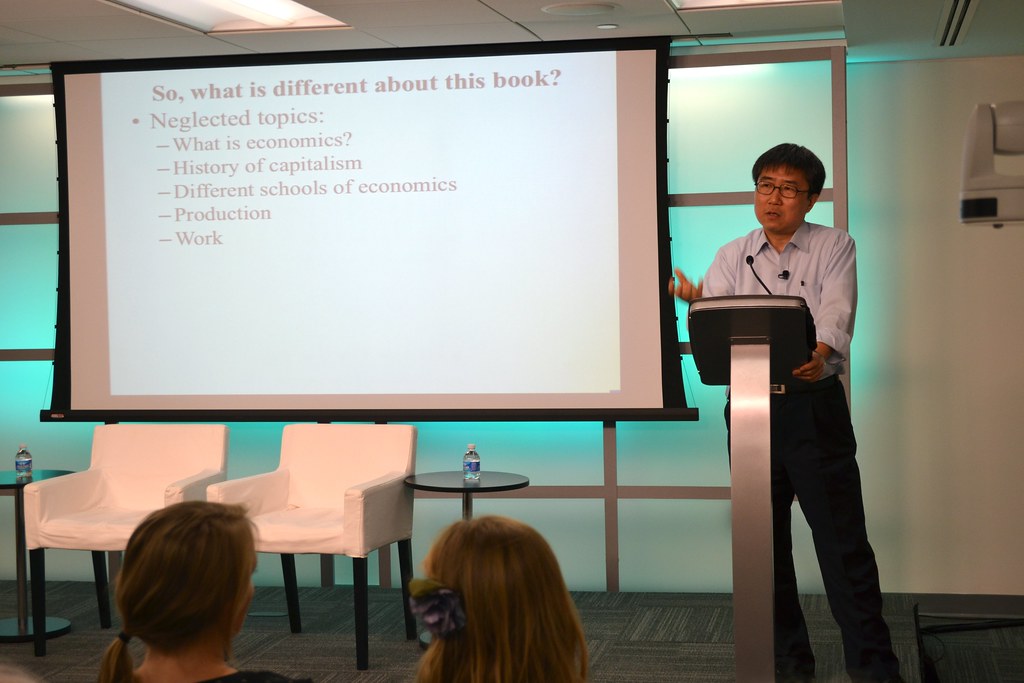
Tonight, on Telecinco’s Gran Debate (a TV debate programme), Professor Gay de Liébana made a brief appearance listing 5 sectors that could, or should, create jobs in Spain, though not before reminding viewers once again that to get out of the crisis, Spain has to do the exact opposite of what it is doing. As he has said on other occasions, Professor de Liébana calls for encouraging hiring by lowering the cost of taking on a worker, making it easier to set up businesses, streamlining red tape and cutting taxes, since only then would consumption pick up again.
For Gay de Liébana, one of the sectors that should be promoted is agri-food, a sector that was abandoned during the housing bubble. As the crisis deepened, it stopped paying for farmers to sow their fields and sell the harvest to middlemen at ridiculously low prices, only for it to reach the customer at such high prices in the end. The same goes for livestock farming.
According to the professor, the chemical industry carries significant weight in our country, since we have excellent professionals who are emigrating and creating value in foreign companies instead of in Spain. Biotechnology companies would come third, since Spain has small and medium-sized firms that should be helped rather than stifled, as is happening now.
The elderly sector is a business opportunity, as we have pointed out in previous articles. Life expectancy is much higher, so there will be more and more elderly people who will need not only all kinds of care, but also entertainment and/or services focused on geriatrics. And given that Spain has a good climate and is the favourite retirement destination for many Europeans, says de Liébana, we could make our country a paradise for older people, building a highly profitable business around senior citizens. This sector will create a great many jobs, despite the cuts to the Dependency Act (Spain’s law on long-term care).
Healthcare and education will create jobs. According to the professor, the cuts do not matter: even if no jobs are created in the public sector, private companies will still need workers. De Liébana points out that we have excellent professionals in medicine, and it is a shame that many are leaving. As for education, he mentions Spain’s business schools, which keep getting better, and the country’s standing as a major university destination; this sector should be improved and should create more jobs.
Still, for the umpteenth time, I fail to understand why, whenever an economist talks about the sectors with the most future in our country, they always forget the one where we could be more competitive than the vast majority of countries: our climate could make us leaders and the biggest producers of solar energy, which is one of the industries of the future, according to the investment bank Citi.
Further reading
Featured image: Gobierno de Castilla-La Mancha, CC BY-SA 2.0, via Wikimedia Commons.