

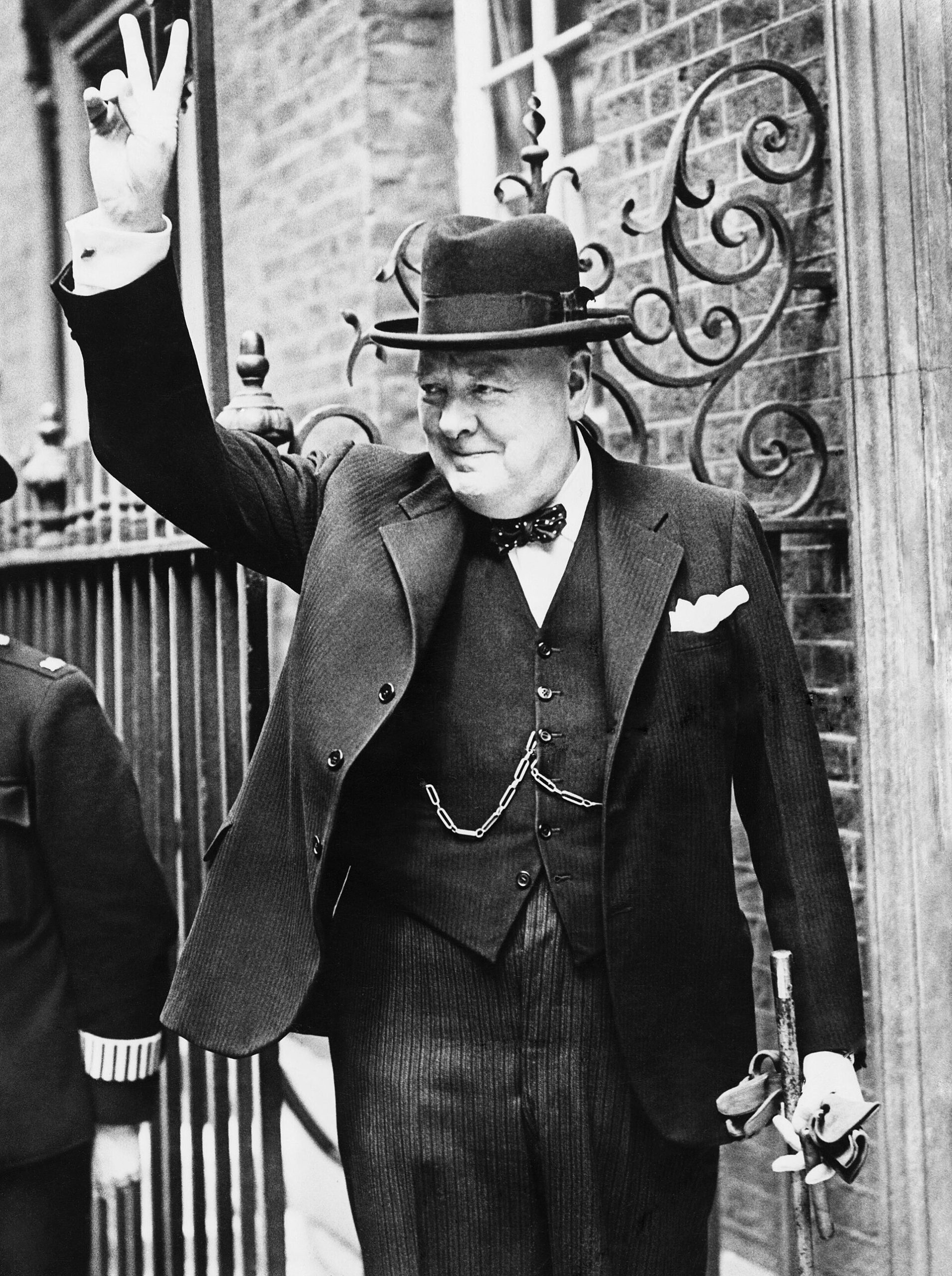
Editor’s note: This article was first published in May 2015, while Barack Obama was US president, and its references to him reflect that time.
Cultural differences between countries mean that very common gestures we make all the time can mean something quite different outside your own country, to the point that in some countries you could end up in jail, or show enormous disrespect without realising it.
Whether you’re travelling for business or for pleasure, here are some of those gestures and customs, depending on the country you visit. You should at least know what they mean so you can avoid them as far as possible, although I imagine people in some countries already know that foreigners have different customs. But just in case…
See also: What you should know before negotiating with the Japanese
1. Thumbs up
Who hasn’t raised a thumb to say “OK”, “perfect”, “fine” or “good”? In other cultures it means something rather different. In Iran, Greece, Russia and parts of West Africa, for example, a thumbs-up is an insult, while in Japan it simply means “male” or “man”.
2. Crossing your fingers
In most Western countries, people cross their fingers out of superstition, to attract good luck or keep bad luck away. But in Vietnam, making this gesture at someone standing in front of you would be an insult, because crossed fingers represent the female genitals.
3. Making a “V” with your fingers
This sign has become very popular and usually means “peace” or “victory”, or is simply a way of saying hello that is very typical in photos of Japanese people. But in the United Kingdom, New Zealand, Australia and Ireland, it’s a very common way of insulting someone.
4. An open palm to say “stop”
Whether at work, when you want to stop someone in the street or when you hail a taxi, people often use this gesture, which simply means “wait a moment” or “stop”… But in Greece it means “go to hell”, so think twice before hailing a taxi this way if you travel there.
5. Beckoning someone by curling your index finger
In the Philippines it’s not a good idea to tell someone “come here” by curling your finger like this, because the gesture is only used to call dogs, and using it on a person can land you in jail there.
6. Looking people in the eye
Eye contact is appreciated in our culture. Avoiding it would suggest shyness or lying. But in Asia and several Middle Eastern countries, looking someone in the eye can come across as disrespectful. If you’re a woman, you should know that in these countries a fixed gaze into someone’s eyes is often used to show sexual interest.
7. “What a beautiful baby!”
Paying this kind of compliment to a child or a baby in Spain would amuse the parents, who would take it as flattery. Do it in Vietnam, or to someone from the Miao ethnic group (found in China, Laos and Thailand), and this compliment would make them suspicious, because you’d be showing too much interest in the child. In other words, you’d make them nervous, as they’d think you intend to take the child away.
8. Finishing your plate
If you go to a restaurant in the Philippines and leave your plate clean, they might take it as a lack of respect, thinking you’re questioning their ability to satisfy your appetite. And if you’re one of those people who wipe the plate clean with bread… who knows…
9. Chewing gum
President Barack Obama already knows what chewing gum can lead to when he travels to certain countries. He caused quite a media stir when he travelled to Asia, where in some countries chewing gum goes directly against social norms and etiquette. The countries where you shouldn’t chew gum are Japan and Singapore. In fact, importing chewing gum is banned in Singapore.
10. Touching someone’s head
Touching someone’s head isn’t exactly welcome in most countries, but doing it in Thailand or Laos is even worse. In countries where Buddhist culture predominates, the head is considered the most sacred part of the body.
11. Burping
In India, Turkey and much of the Arab world, burping after a meal is good manners, as it’s the best way of saying “the food was excellent”. Not doing it could come across as impolite.
12. Nodding or shaking your head
We nod up and down to say “yes” and shake our heads from side to side to say “no”. But in Bulgaria they do exactly the opposite. So if you’re in that country and nod as you normally would, you’re not being disrespectful: you’re simply doing it the other way round.
Further reading
- The 5 most dangerous countries in the world for women tourists
- 14 crazy things that only happen in China
- 12 crazy things that only happen in Argentina
- 14 crazy things that only happen in Spain
Featured image: Unknown author, Public domain, via Wikimedia Commons.



