Nobody’s perfect. We all make mistakes from time to time that make us look unprofessional. That’s why we all need a reminder, because in business there is one thing everyone needs: credibility. If people don’t trust you, if your employees don’t trust you, if your customers don’t trust you, it doesn’t matter how good you are at your job. Without credibility, you are putting your career or your business at risk.
Here are 8 examples (sometimes unfortunate habits) of things to avoid if we don’t want to look unprofessional. They are closely linked to our previous article, “How to slowly destroy your career and your professional reputation“.
1. Not keeping your word
Highly valued professionals have two things above all: honour and their word. If you tell someone you’ll do something, do it. That way, the next time you say you’re going to do something, they’ll believe you. That’s credibility, whether we’re talking about delivering a project, hitting a target or getting a product out on time.
2. Being lazy
Doing as little as possible makes you look complacent.
Instead, by seeking out responsibilities rather than waiting for them to be imposed on you, you show others that you’re keen to work and that you care about the company’s future.
3. Looking someone of the opposite sex up and down
We’re all human. We’re mammals. We notice the fascination some members of the opposite sex hold for us when we’re biologically attracted to them. However, that same humanity also means we must have the self-control to keep the “up-and-down look” in check. Although disrespect is becoming more and more common, especially leering at women, the fact is that a good professional is expected to think more with the top half than with the bottom half.
Successful companies are still the ones that respect their workers, and in companies that want to thrive by building a good working environment and team spirit, this kind of disrespect is grounds for dismissal.
4. Being late
Being on time is a matter of respect. Frequent lateness shows that you don’t value other people’s time enough. It will make you look disrespectful and indifferent, and others will stop trusting you.
What’s more, lateness seems to say a lot about people.
See also: A profile of people who are always late
5. Secrets
Of course, we all have a private life, but most of the time our business is bound up in it. If you’re hiding important information from employees or customers, you aren’t doing much for your reputation as a leader, and they’re likely to wonder whether they can trust you.
6. Overpromising
A truly brilliant salesman once said that the art of selling is “to make the biggest promise you can, consistent with your ability to deliver”. Entrepreneurs often push hard on this, but the key is to be sure that you will eventually be able to keep your promises.
If you don’t keep your promises, you’re building a reputation as someone who can’t be relied on.
See also: 10 words you should delete from your vocabulary at work
7. Deceit and lies
These two are obvious. Former US president George W. Bush once said: “Fool me once, shame on you. Fool me twice, shame on me.”
As Warren Buffett says: “It takes 20 years to build a reputation and five minutes to ruin it.”
8. Disorganisation
Anyone who receives more than 1,000 emails a day probably falls into this category. Like most of us, customers expect a quick reply. They want you to be able to solve their problems. If you aren’t in control of your own situation, they’ll wonder how you can keep control of theirs.
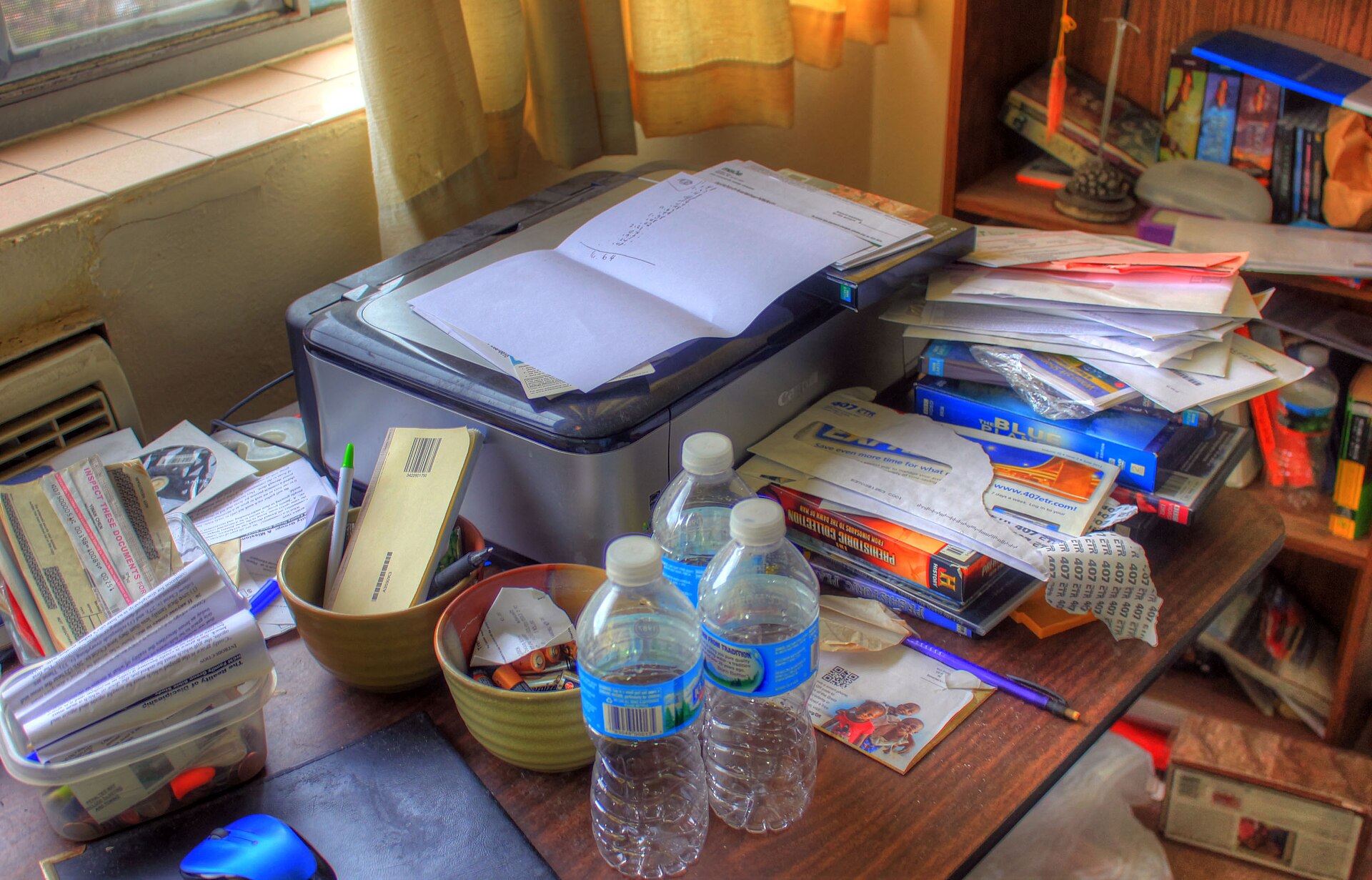
Some business people have admitted that they know whether they’ll do business with someone just by seeing how tidy their office is.
Further reading
- 9 types of people you need to hire in your company
- How to be more persuasive and get people to do what we want
- 8 ways to kill your employees’ motivation
Featured image: Yinan Chen, Public domain, via Wikimedia Commons.