

Editor’s note: This article was first published in May 2017. Its figures and facts, such as Lululemon prices, GoPro’s drone sales, the Dos Equis campaign and Zappos’ 365-day returns, are from that year; GoPro discontinued its Karma drone in 2018 and the Dos Equis campaign later changed.
If a company manages to build a legion of unconditional followers who identify with the brand’s appeal and feel part of a community, its business success is assured over time. Of course, this can only be achieved over time.
Even so, some brands have done it in record time. These are some of the companies that have achieved a brand cult, or a legion of brand fans. Perhaps, as entrepreneurs, we can draw some lessons to apply to our own business goals.
1. GoPro
When it comes to adventure sports and we think about filming those scenes, people don’t usually talk about buying an action camera, but a GoPro. This action-camera brand has got many sports lovers to prefer paying large amounts of money for its cameras, even though other cameras have come out that, in terms of value for money, have little to envy the GoPro.
This company has opened up a huge market not just for action cameras, but for all the add-ons, accessories and spare parts. The company never stops innovating and quickly making its previous product outdated. Now it also sells drones.
There is no doubt that it is a company that has found a very profitable market niche, and it has already built a legion of GoPro fans.
2. Lululemon
Why pay up to 70 euros for a pair of yoga trousers? Lululemon is another company that found a very profitable business in clothing for practising yoga. In fact, its brand has become a lifestyle icon.
The company opened its first shop designed to be a centre dedicated to healthy living. It started out as a community where users talked about their exercise and diet, but over time Lululemon focused specifically on selling its own products.
Since it already had a community of loyal followers, its trousers started selling for 98 dollars. The company appoints what it calls “store ambassadors”, who make sure they promote the message of the “Lululemon lifestyle”. Without doubt, an excellent idea that has managed to grow this brand within a niche that seemed far too small.
3. Zappos
They say that once you buy trainers or shoes from Zappos, you don’t want to buy them anywhere else. Zappos is a curious company that has used a business growth strategy based on customer service and complete trust.
Zappos’ motto is “delivering happiness”, and that motto has gathered an incredible legion of devoted fans of its footwear. Free shipping and a 365-day returns policy have taken care of the rest.
(See: Zappos’ CEO explains his brilliant hiring strategy)
4. Dos Equis
“I don’t always drink beer, but when I do, I prefer Dos Equis.” This slogan opened up the United States market to the Dos Equis beer brand, owned by Heineken.
Of course, we don’t know whether the legion of followers was won by the beer brand or by the icon the brand used, “the most interesting man in the world”, who has become more famous than Dos Equis itself. And naturally, the legion of fans this man has gathered want to drink what he drinks.
What is clear is that Dos Equis is the key to consolidating Heineken as a beer brand in the United States.
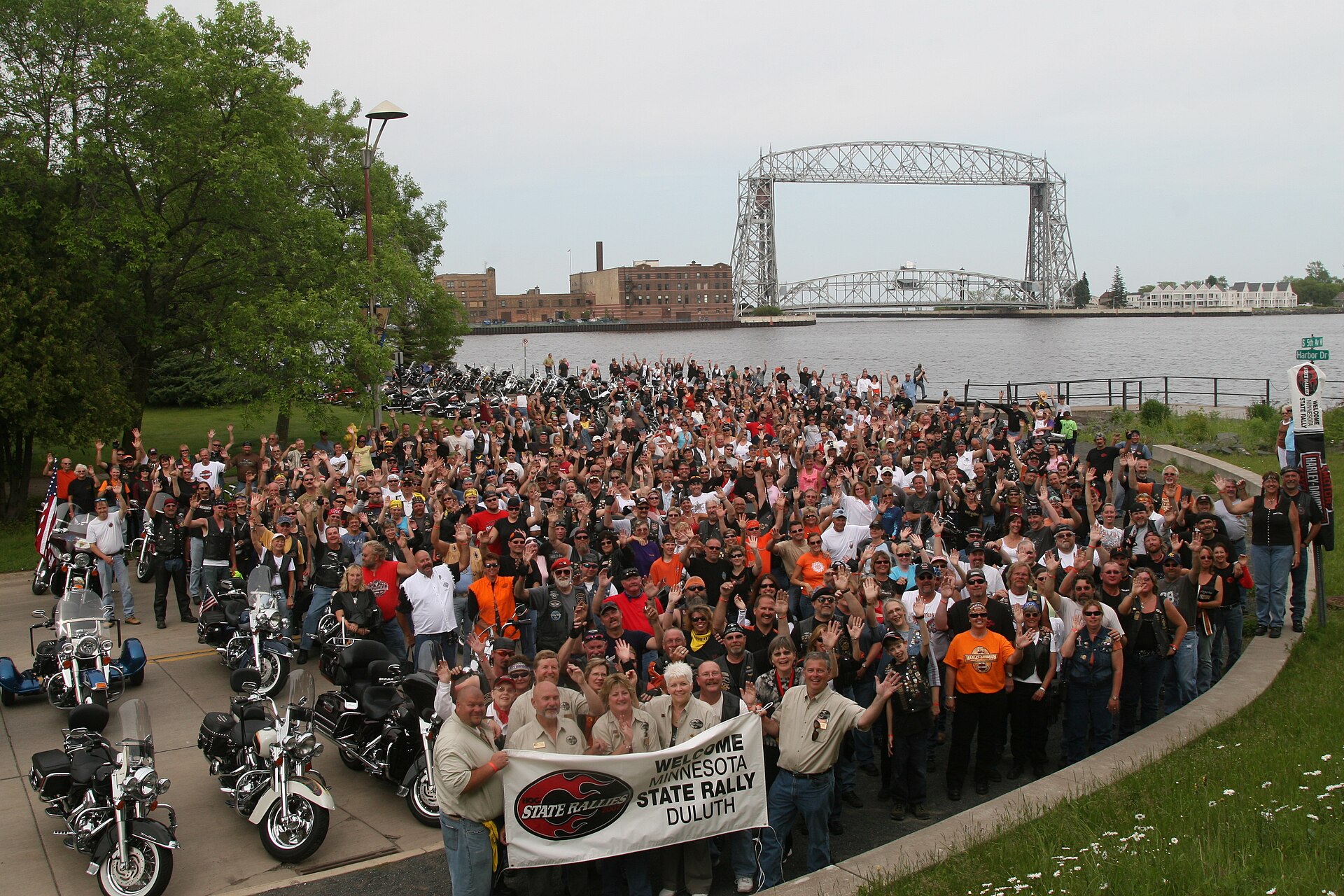
5. Harley-Davidson
This is the brand held up as an example of a business cult in practically every business school in the world, because it represents a community that has created its own lifestyle.
Since 1980, Harley-Davidson has had groups of fans who organised bikers’ meet-ups and built bonds with each other, all around the Harley brand. These enthusiasts recruited other bikers and went on to create a movement.
The curious thing is that at first this brand was on the verge of closing because of a lack of acceptance, but within a few years the dealers changed their marketing strategy, and word of mouth took care of consolidating this brand that represents a lifestyle.
6. Apple
We have left for last the company of the legendary Steve Jobs, who created one of the largest communities in history around his “tech gadgets”.
Although in its early days Apple won a significant legion of fans among the “geek” community with the Mac, it soon did the same with practically all its products, especially the iPhone.
When Steve Jobs announced the launch of a product, the media anticipation was similar to that of major sporting events.
Today, Apple still has millions of loyal fans who are ready to die (not literally, I think) defending Apple products against similar ones.
Fun fact: How Apple arrived at the “i” in its products (iPhone, iMac, iPad…)
See also: Steve Jobs’ mentor: the 3 values every company should have
Featured image: Escapedtowisconsin, CC BY-SA 3.0, via Wikimedia Commons.



