Editor’s note: This article was first published in June 2013, and the drug developments and share moves it describes were current on 3 June 2013. Lambrolizumab was later renamed pembrolizumab and approved in the US as Keytruda in 2014. Phase 1 trials are small, early studies designed mainly to test safety and dosing; their results do not show that a treatment works. This article is not medical or investment advice.
Today’s stars on Wall Street were cancer drugs. On the one hand, the pharmaceutical group Merck & Co (a Dow Jones component) rose more than 4% at one point, thanks to the good results it presented for its drug lambrolizumab, which performed well in treating patients with advanced melanoma, an aggressive type of skin cancer.
The Phase 1 study showed that 38% of patients responded positively to the treatment.
Meanwhile, Clovis Oncology (Nasdaq) soared 103%. Since going public in 2011, the company has gained 492% in total. Its drugs rucaparib and CO-1686, both in Phase 1, have reported excellent results in trials for ovarian cancer, in the case of rucaparib, and for lung cancer, in the case of CO-1686.
Both drugs have shown results in patients with various types of cancer, being more active and better tolerated than expected, according to the Wall Street Journal, and that is why the company has posted its biggest rise since it started trading on the stock market.
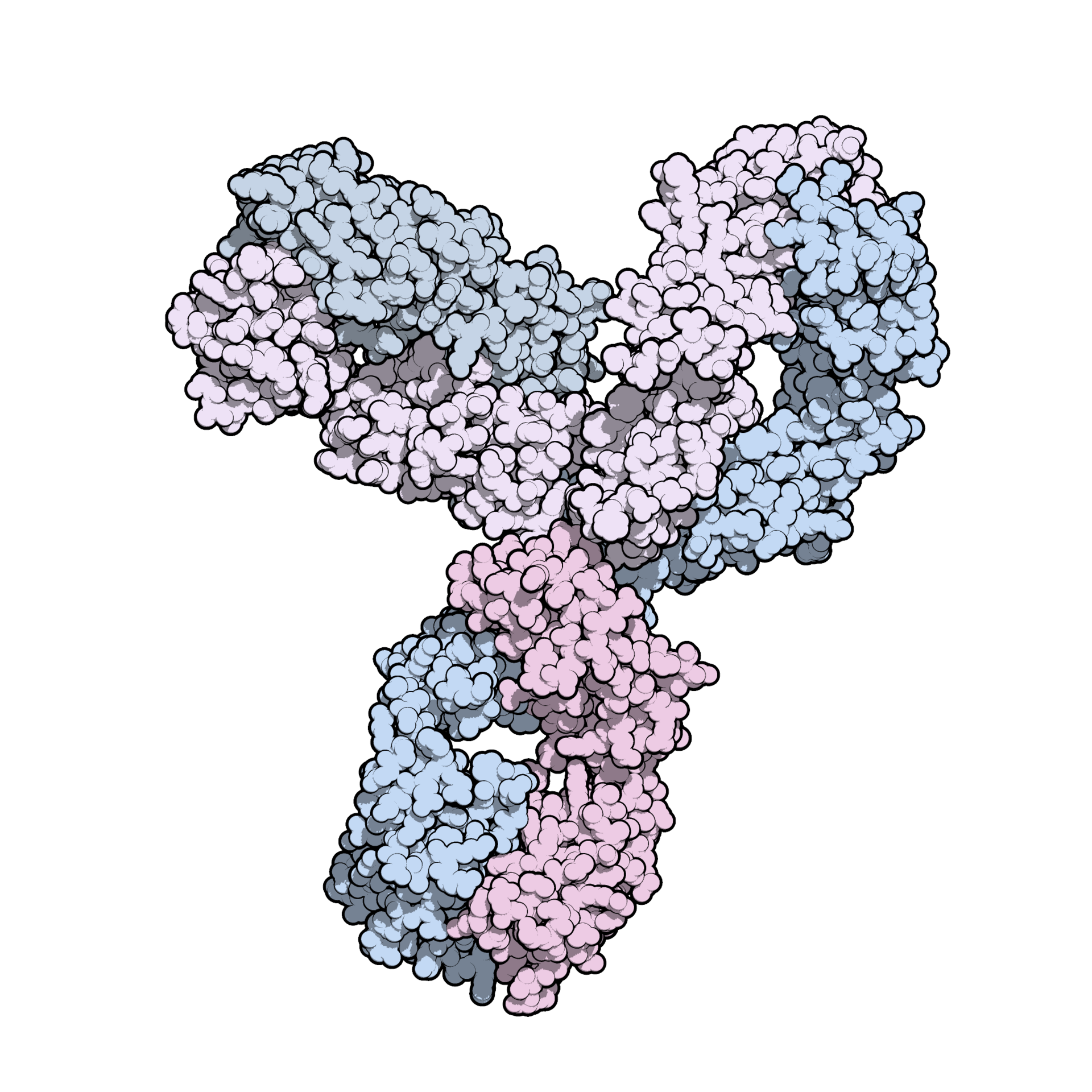
Featured image: Fvasconcellos ( talk · contribs ), Public domain, via Wikimedia Commons.