Editor’s note: This article was first published in August 2013; the IBEX levels, the falling Spanish risk premium, unemployment, the economic recovery context and the rises in water and electricity prices it discusses reflect that time.
On 29 July we put forward a possible bearish strategy in case the IBEX 35 failed to break above 8,500 points, since a lot of macroeconomic data was expected that week. In the end, it is plain to see that the data came in line with expectations. The IBEX broke decisively through 8,500, rising above the top of its short-term upward channel and breaking out of its medium-term downward channel, and it is now struggling to get past its biggest resistance, around 8,780. If it breaks this resistance, we could be talking about a rise to 9,000 points despite the high overbought levels, although volume has been rather thin in recent sessions.
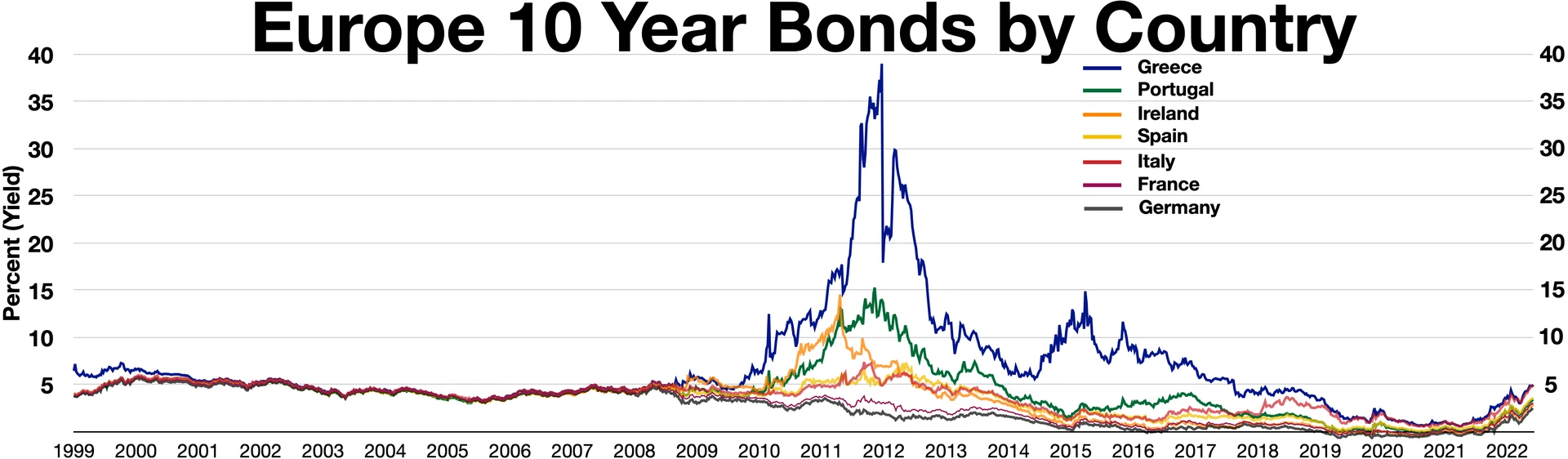
It is something I cannot explain: while my personal view of Spain’s economic situation is extremely bleak and dismal, the market keeps rising, buoyed among other things by the fall in the risk premium. Our starting point is that market efficiency has quite a few gaps when it comes to predicting a country’s economic situation, although in the end it is the people in the street who tell us how a country is doing. So… what are my divergences?
It is very simple:
Among the business owners I know, the ones who were doing badly are still doing badly, while the ones who were doing well are now doing somewhat worse. We are talking about small and medium-sized companies. Clearly, listed companies, despite their high debt levels, are improving their sales thanks to opening up new markets abroad.
People who were out of work are still out of work, while many of those who used to have a job have now lost it (in the middle of an economic recovery).
Meanwhile, we hear the IMF and Germany say that Spanish workers’ wages should be cut by 10%, and that any employer should be able to switch a full-time contract to a part-time one. If these measures were approved, their full weight would fall not on workers as workers, but on consumers.
Spaniards are losing purchasing power at a pace never seen before, while the prices of basic services such as water and electricity keep going up.
Even the markets will come to understand that Spain cannot get out of the crisis unless Spaniards get out of the crisis. These observations, which anyone can make in their own city (and I am sure the result would be very similar), together with the 5 signs Bridgewater Associates warned us about regarding the euro crisis, mean that my sentiment remains very bearish despite the bullish markets. Of course, I could be wrong.
That is why, although the usual advice is to follow a market’s trend, which in the case of our IBEX would be bullish if it breaks above 8,780 points, I personally would tread carefully so as not to fall into the bull trap.
Further reading
- Industries to invest in for the long term, according to Goldman Sachs
- 10 stocks to short if the US stock market corrects
- Stocks are excessively expensive
Featured image: Wikideas1, CC0 1.0, via Wikimedia Commons.