Editor’s note: This article was first published in August 2013; Pershing Square’s returns and assets, its Procter & Gamble holding and the one-year share moves of JC Penney, P&G, Canadian Pacific and Burger King are from that time, and later events such as the sale of the JC Penney stake are not reflected.
Stock market principle: “Past results do not predict future returns.” This is one of the principles that many of the investors who entrusted their money to Pershing Square, the hedge fund run by Bill Ackman, could learn. Until now it was considered one of the best-performing funds, alongside those of Steve Cohen, Carl Icahn and George Soros. The problem is that so far this year Bill Ackman’s fund has returned just over 3%, which is a “fiasco” considering that US stocks have risen more than 20%.
Thanks to their reputation, the big managers of these hedge funds can afford to charge hefty fees, so with Pershing Square’s current returns, investors are anything but happy.
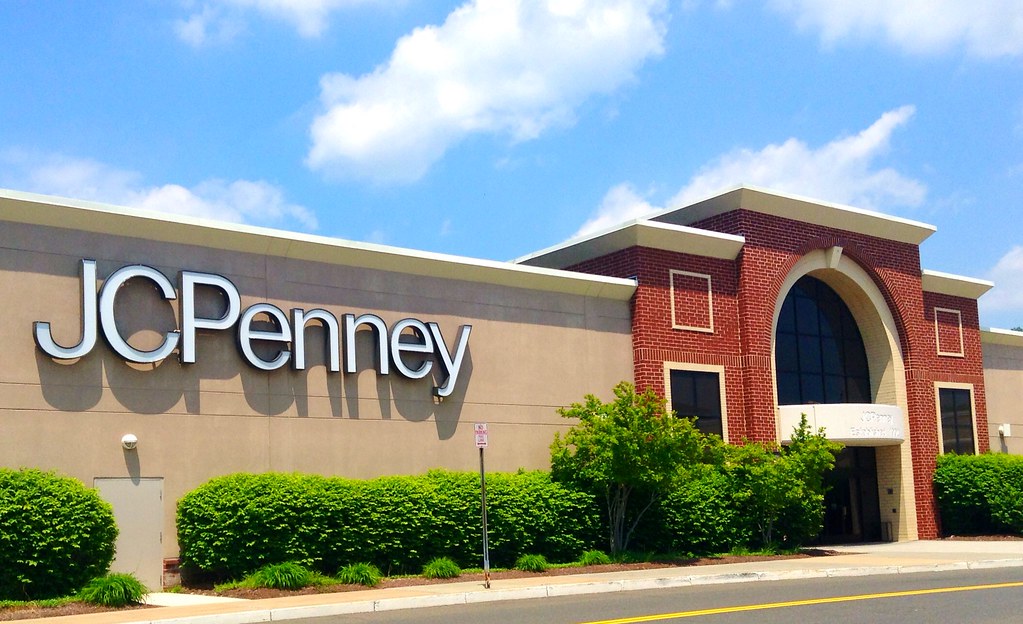
The thing is, Ackman is staking his reputation on two big and unusual public disputes. Ackman’s fund has a large exposure to JC Penney, a retail chain that Bill Ackman bought into three years ago against all advice, hoping he could turn the company around. The result is a loss of 44% over the last 12 months, and Ackman has been forced to resign from the board after failing to oust two senior JC Penney executives whom he considers the company’s cancer.
His second public dispute is his battle against Herbalife. If the shares keep rising, the fund will be forced to close its short position, having to sell the shares that were once lent to it and that it must now return to their owners, a situation that will probably end up causing a fresh jump in Herbalife’s share price.
Bill Ackman has admitted that it is irritating to have these two open positions in JC Penney and Herbalife in an investment portfolio that is otherwise perfectly healthy. In Procter & Gamble alone, Pershing Square has invested $5 billion of the $12 billion the fund manages in total. Procter & Gamble has gained 20% over the last year, while Canadian Pacific (another of Ackman’s big bets) is up 40% and Burger King 35%.
But his two dead weights (JC Penney and Herbalife) wipe out the rest of his good investments, and once the fund’s fees and commissions are added, investors have so far made a bad deal.
Even so, Ackman insists that Herbalife will collapse sooner or later, while JC Penney can now only surprise on the upside after the steep falls it has piled up.
Clearly, if he had brought down Herbalife’s shares, Ackman would be hailed as a genius on Wall Street right now, and if he had delivered results as a JC Penney director, he would be on the podium of Wall Street’s greatest. But if nothing changes, some say Ackman’s standing as one of the “titans of Wall Street” could be in danger, since he has not generated the returns that investors expect from the big hedge funds and for which they pay large sums of money.
As the saying goes, it is not a decision that makes you a genius or an idiot, but the outcome of that decision.
Featured image: Mike Mozart, CC BY 2.0, via Flickr.