Editor’s note: This article was first published in July 2014; the GDP growth, inflation and interest rate figures, credit ratings, forecasts and bond issues it cites for Latin American countries are from mid-2014. Argentina defaulted at the end of July 2014.
By Miguel Caballero García, Macroeconomic Analysis Department, Aspain11.com.
In recent years, Latin America’s growth has slowed because of macroeconomic conditions unfavourable to the region. Lower export volumes and slowing commodity prices have constrained money flowing into these countries. The global financial crisis has led South American governments to adopt decisions that have, at times, been harmful to foreign investment.
Real GDP growth slowed to 2.75% in 2013 (3% in 2012). So far, weaker domestic demand and economic activity, the main factors, have acted as a cushion that has kept inflation in the region from getting out of control. Even so, political instability in Venezuela (CPI 56%) and Argentina (CPI 28%) left worrying figures in 2013. Brazil’s energy deficit (CPI 5.9%) pushed up inflation in 2013 and, although it is still within the official targets, the Copom (the Central Bank of Brazil’s monetary policy committee) made its move and raised rates to 11% this year.
Financial markets, although they were coming from very low levels, continued their upward trend until the Fed ended its monetary stimulus programme, and volatility has dominated the region’s markets in recent months. GDP hides real investment figures in the main countries that are not so positive. In 2014, real investment is estimated to come in at one third of the 2012 level.
The current account balance has been trending down since 2008, and the forecasts for 2015 and 2016 are not very optimistic. In the medium term, a combination of current account deficits and high inflation could lead to high volatility in financial markets. Central banks need more flexibility in their stimulus measures to ease the negative effects of capital outflows.
The weaker growth prospects in the main importing regions (China, the United States, Europe…) have had a strong impact on capital inflows. Commodity prices (oil and metals) have been pushed down, which could do a lot of damage to the region. For now, the worse economic outlook has not affected the labour market. However, if the situation persisted, unemployment rates would turn sharply up from their current lows.
A common thread across Latin America is fiscal weakness. Governments need to strengthen tax revenue and adapt it to the new reality. In recent years social inequality has narrowed, and the new middle class is demanding more and more public resources. Debt levels, both private and sovereign, also need watching. Latin American companies have financed themselves with foreign capital at the expense of domestic investment, helped in part by low local-currency valuations. Since last year this situation has changed radically. The Fed was the first central bank to announce the gradual end of QE, and the main central banks in other regions are expected to follow in the medium term. A chart in the original report (not preserved) showed the rise in foreign demand for corporate bonds up to 2013 and the fall in bond issuance in 2013 (except in Mexico).
We should bear in mind how varied the region is. Its two main countries, Mexico and Brazil, have different outlooks. Brazil expects growth to stay below 2% in 2014. On top of weak infrastructure and private investment come higher borrowing costs, which make it hard to keep up the current growth rate. In Mexico, by contrast, growth above 3% is expected thanks to the improving situation next door in the United States. Fiscal policy measures and the country’s potential in energy and telecommunications lift its forecasts.
Moody’s recently upgraded Peru’s credit rating by two notches to A3 with a stable outlook, in line with the country’s stronger growth prospects. Two notches higher is Chile (Aa3), the country with the best credit rating in Latin America. Colombia, for its part, grew 6.4% in the first quarter of 2014, thanks to strong performance in construction and services.
Uruguay’s central bank (BCU) lowered its GDP forecast to 2.95% after the first-quarter results. Meanwhile, Ecuador returned to the capital markets with a $2 billion issue that was well received, meeting the government’s target of 8% +/- 12.5 basis points.
Finally, S&P cut its outlook on Argentina to negative. The decision depends on the agreement with US creditors over a $1.3 billion payment due plus interest. The lack of legal certainty is the main barrier keeping foreign investors out.
At Aspain 11 Asesores Financieros EAFI (an independent financial advisory firm registered in Spain), we are keeping an eye on the opportunities the Latin American market may offer us. We continue to follow the main indicators and remain neutral in our view of the region as a whole. Central banks have a key role in keeping the balance between the current account and the stability of local currencies.
Published by Miguel Caballero, Macroeconomic Analysis Department, Aspain11.com (independent wealth advisory).
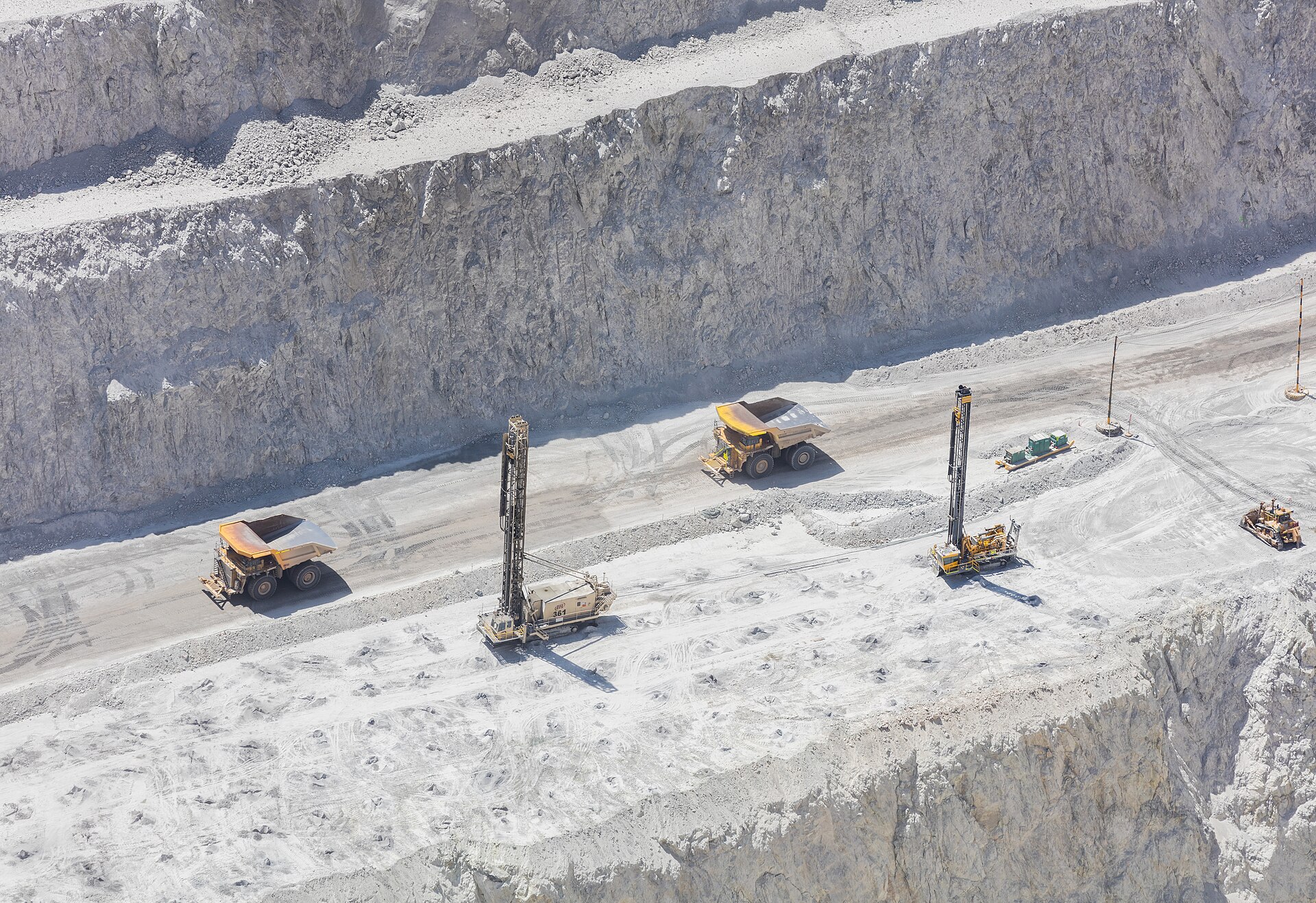
Featured image: Diego Delso, CC BY-SA 4.0, via Wikimedia Commons.