Editor’s note: This article was first published in July 2014; its figure of 17,000 nuclear weapons in the world dates from that year, and current estimates are lower.
Filmmakers have taken care to show you what a nuclear winter would look like on screen. Now scientists have described the consequences for the Earth of a “limited nuclear war” in a new study reported by Popular Science. In other words, a regional nuclear war between two countries with small nuclear arsenals, such as Pakistan and India.
At first sight, the consequences sound mild: global cooling of one or two degrees and a 9% drop in annual rainfall. That does not seem like much, but the scientists say it is serious enough for such a tiny change to trigger crop failures and famine, since those would be the coldest temperatures the Earth had seen in the last 1,000 years, and they could damage the DNA of crops.
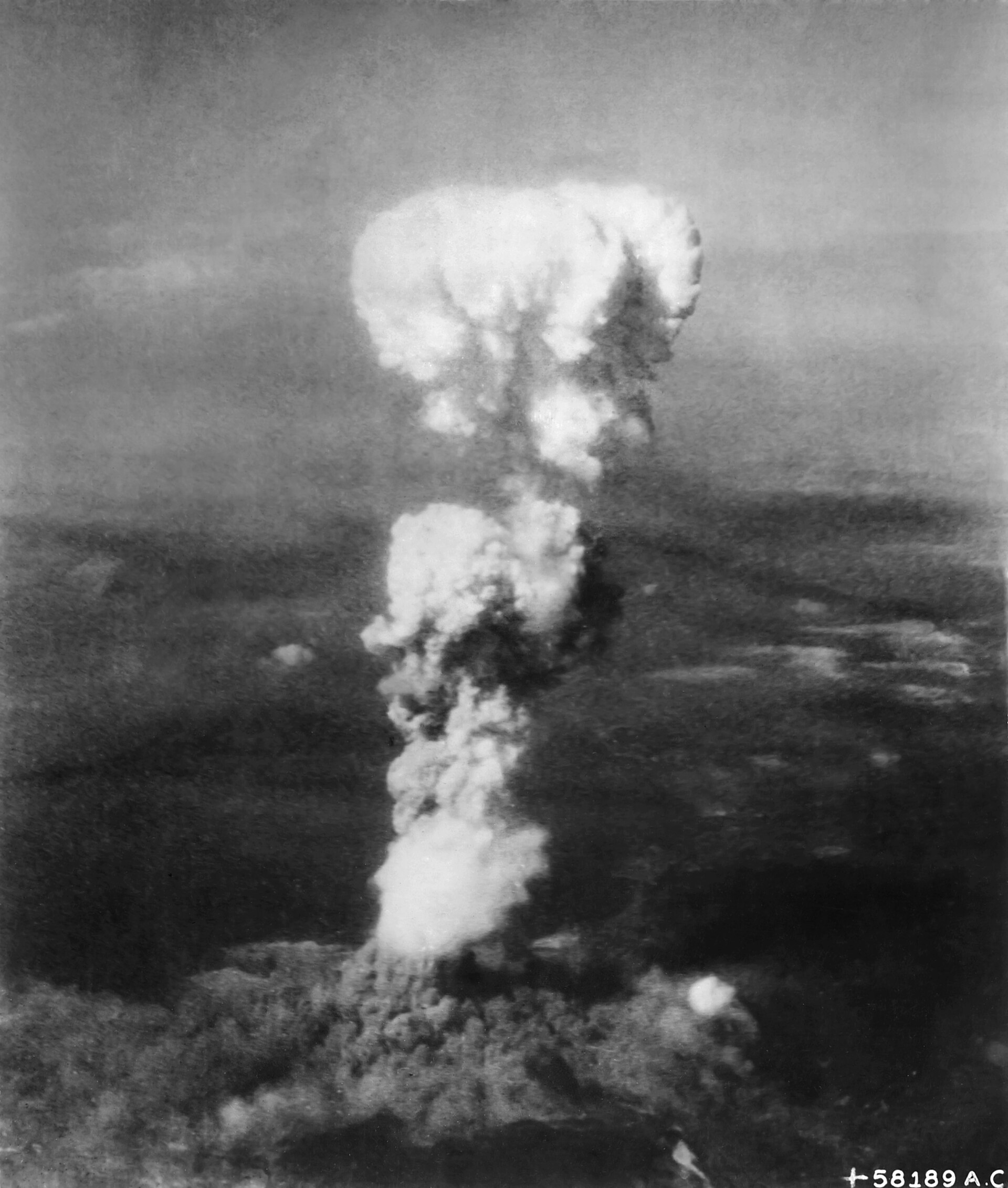
The team of scientists based the study on a nuclear war involving 100 nuclear warheads the size of the atomic bomb the US dropped on Hiroshima. Clearly, the consequences of a nuclear war between giants such as China, Russia and the United States could be catastrophically different.
What would happen in this hypothetical nuclear war between India and Pakistan?
About 5 megatonnes of black carbon would enter the atmosphere immediately, and the black carbon would absorb the sun’s heat before it reached the ground.
After one year, the average temperature of the Earth’s surface would fall by nearly 2 degrees Celsius. After five years, the Earth would be, on average, 3 degrees colder than it used to be. Even after 20 years, when our planet would have warmed up again, it would still be, on average, 1 degree colder than before the nuclear war.
The drop in the Earth’s temperature would reduce rainfall: between the first year and five years after the war, the Earth would get 9% less rain. In the years that followed, frosts on crops would increase.
Chemical reactions in the atmosphere would affect the planet’s ozone layer, the layer that protects us from ultraviolet radiation. The damage would last more than 10 years, and even then the ozone layer would probably not recover completely, remaining 8% thinner.
Cases of skin cancer would increase, plant growth would slow and the DNA of some crops would be destabilised, along with other damage that cannot be foreseen or predicted right now.
A separate study, published in 2013, estimated that more than 2 million people would die of hunger (on top of those who already die every year) as a direct result of a regional nuclear war.
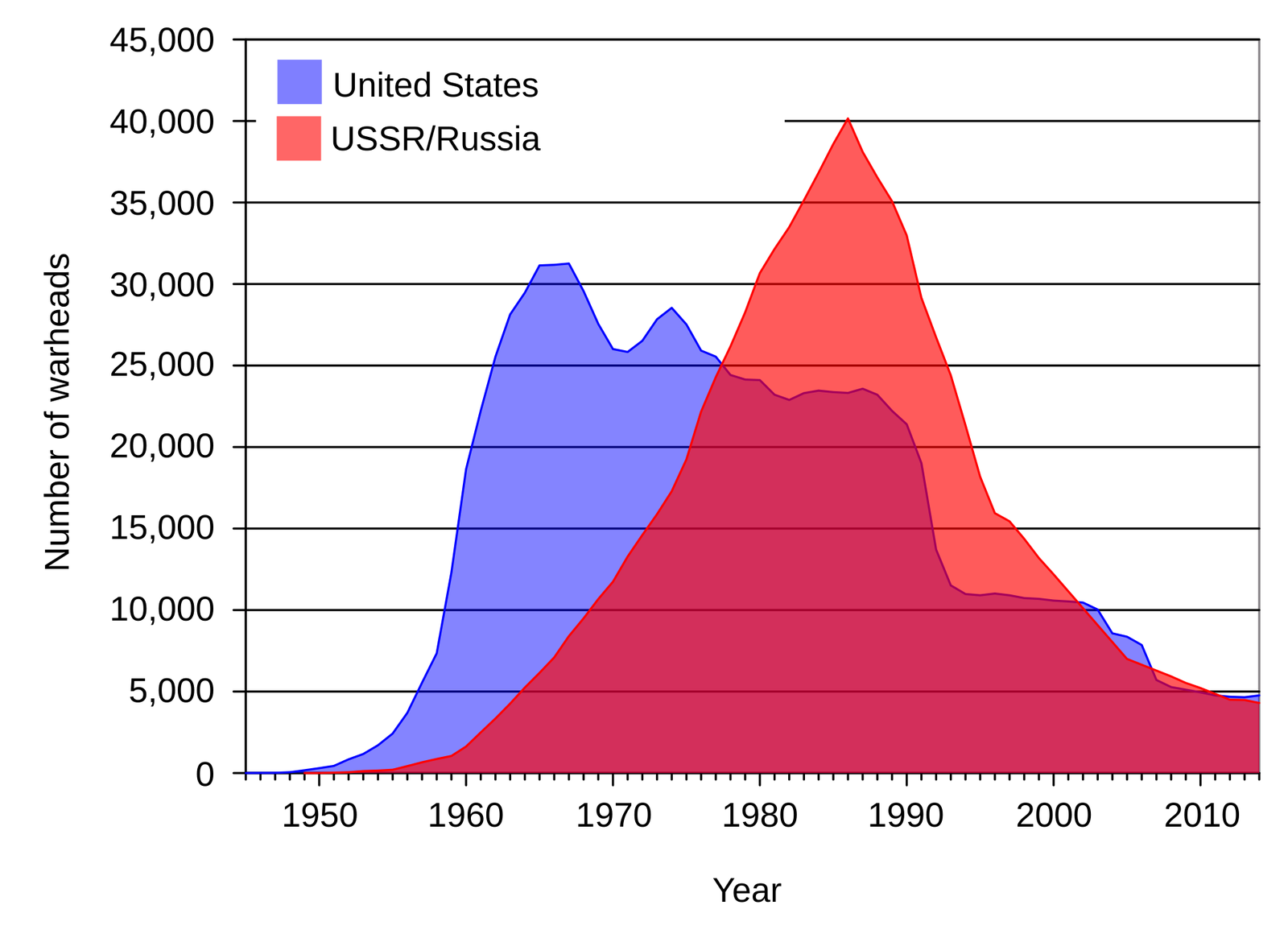
Remember that there are currently 17,000 nuclear bombs in the world.
Some think this study is too pessimistic about the severe consequences of a nuclear war with 100 atomic bombs, while others think it falls well short. In their view, those 100 bombs would cause chaos on such a scale that there would be no safe zone anywhere on the planet, irreversibly contaminating our environment and causing so many diseases, including more cases of cancer and genetic defects, that we would see things never seen before. Not even in the best science-fiction films.
I hope we never find out what the effects of a nuclear war really are.
Featured image: George R. Caron, Public domain, via Wikimedia Commons.