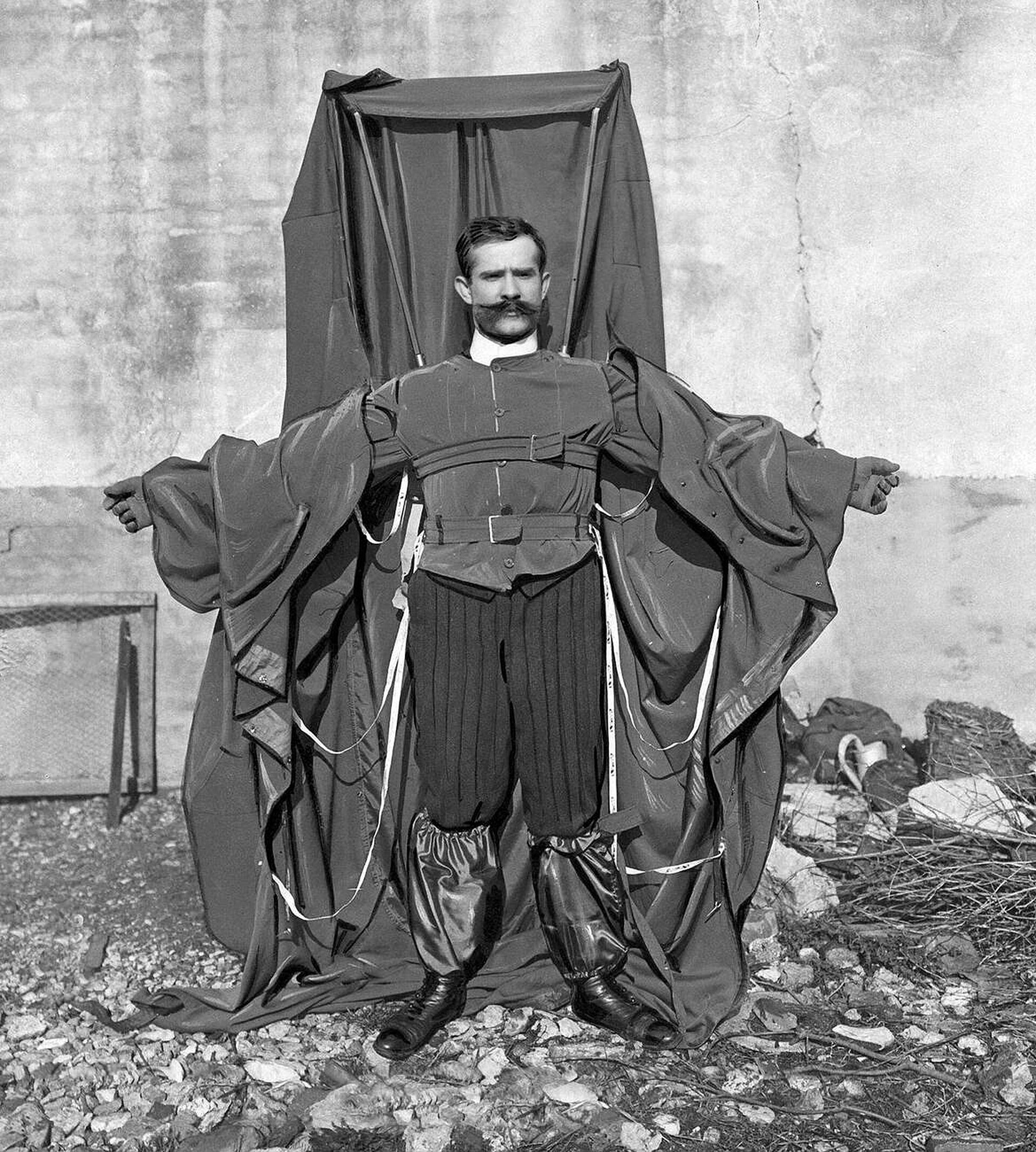
Many of the advances made throughout history were thanks to daring inventors who decided to create and innovate, and, as you might expect, it is often the inventors themselves who decide to test their own inventions.
From brilliant minds to a few “madmen”, these inventions cost them their lives. After all, travelling to the moon in the 16th century is no easy feat, but nobody can say they didn’t try.
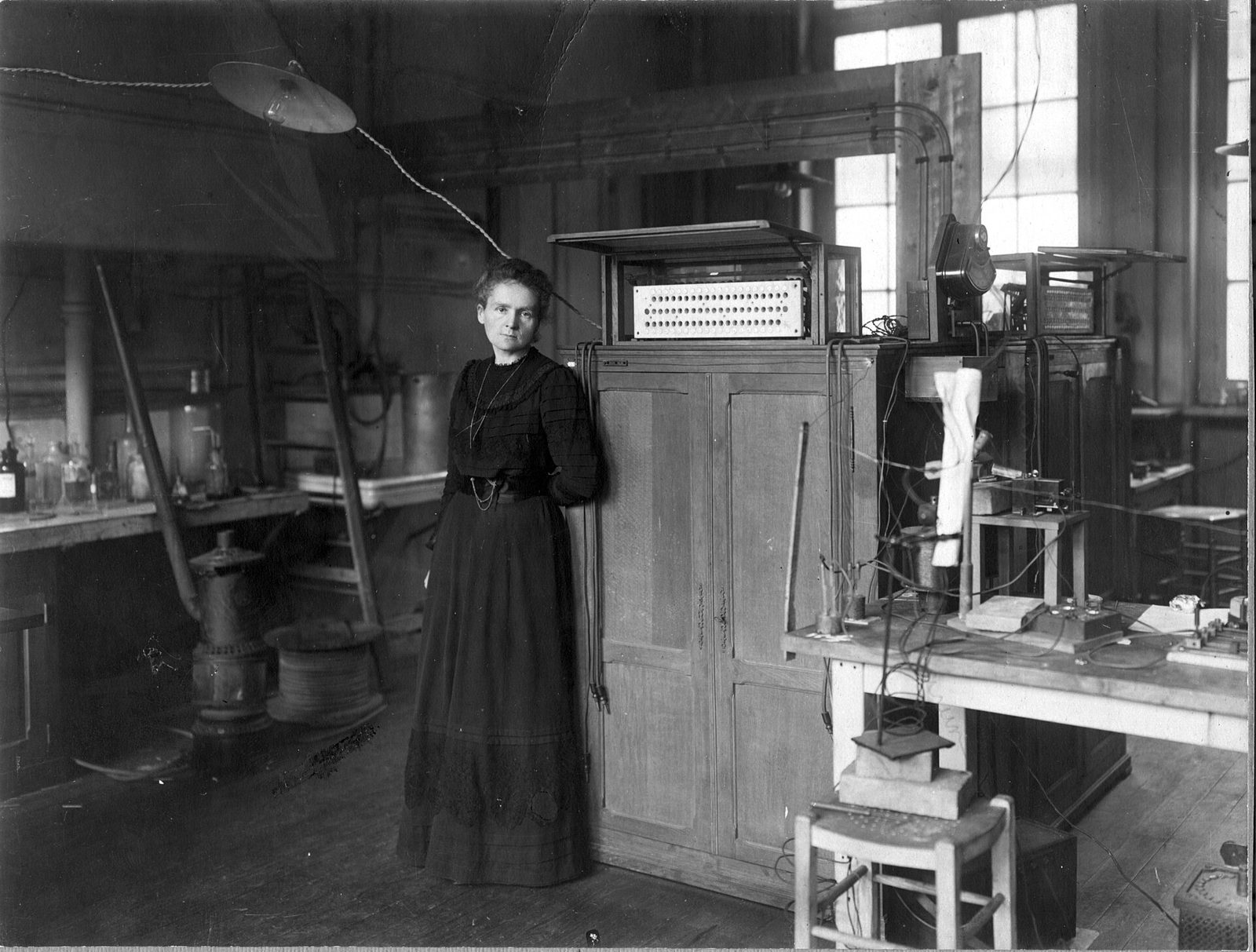
1. Marie Curie won two Nobel Prizes, in physics and chemistry, but died from exposure to radiation
Marie Curie is credited with the discovery of radium and polonium and with many advances in radioactivity (a word she coined herself). Her work led to the development of today’s X-rays.
She was the only woman to have been awarded the Nobel Prize twice, but her research exposed her to large amounts of radiation, which caused the leukaemia that took her life in 1934.
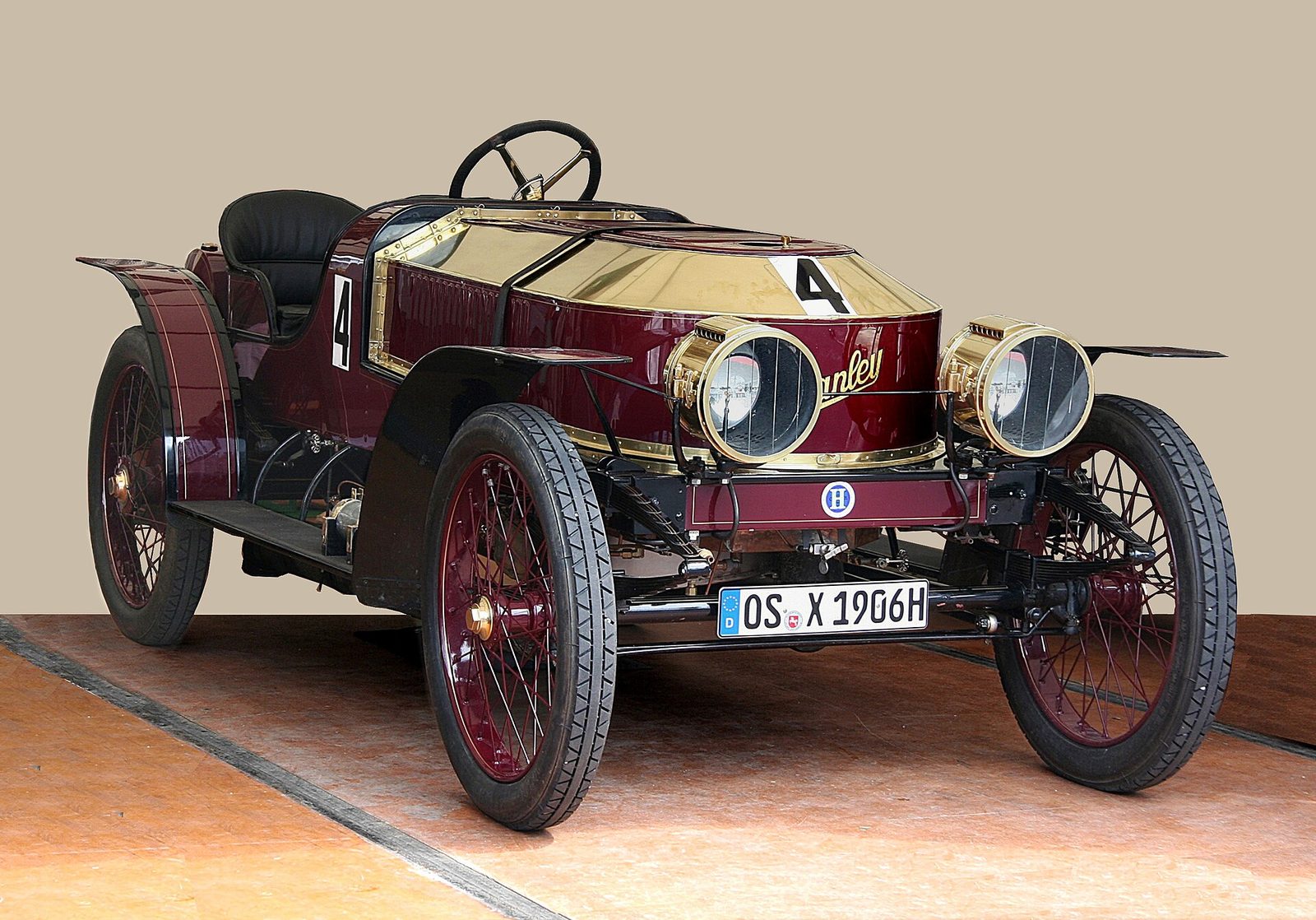
2. The co-founder of the Stanley Motor Carriage Company died in the vehicle he invented with his brother
Francis Edgar Stanley and his twin brother, Freelan Oscar Stanley, invented the Stanley steam car in 1896.
In 1906 they set a speed record by reaching 205 kilometres per hour. Years later, Francis died when he swerved to avoid an obstacle in the road and crashed into a woodpile.
3. Bullock’s printing press crushed his foot; it turned gangrenous and he died
William Bullock invented an improved rotary printing press in 1863, the first modern newspaper press.
In 1867 his foot got caught and was crushed by the machine’s gears. He developed gangrene in the leg and died during the operation to amputate it.
4. Alexander Bogdanov died searching for eternal youth
Alexander hoped to find the secret of eternal youth through repeated blood transfusions, a theory with which he even managed to convince Stalin to set up the Institute for Blood Transfusion.
After 11 blood transfusions, Alexander said that his eyesight had improved and that his hair loss had stopped. But he died after one of the transfusions, in which he received the blood of a student who had malaria and tuberculosis. Ironically, the student made a full recovery.
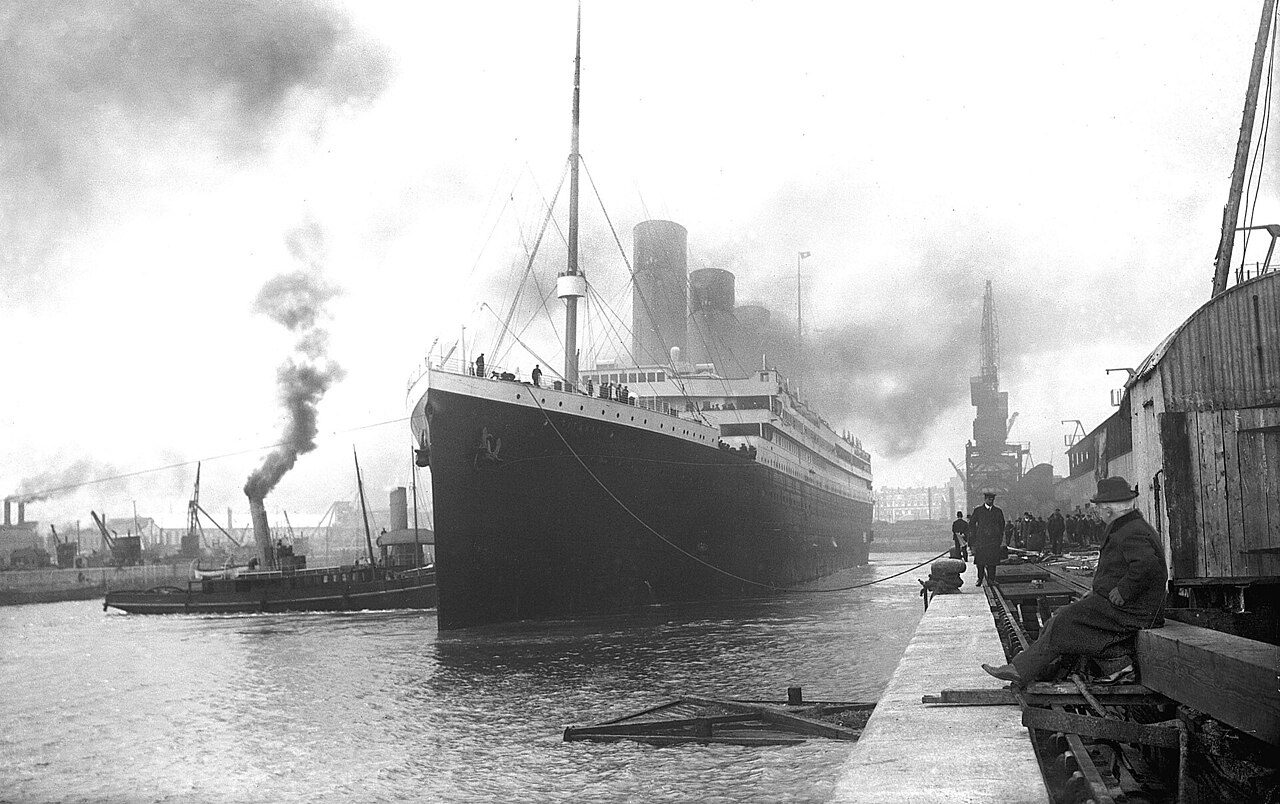
5. The Titanic’s chief architect
Thomas Andrews designed the ship to be spacious, luxurious and indestructible, and yet he always said that the ship needed 46 lifeboats. This was overlooked because of the loss of deck space, and in the end only 20 were fitted.
He is said to have spent the last hours of his life helping people into the lifeboats and finding life jackets for everyone. After helping everyone he could, Andrews was last seen in the first-class smoking room, calmly looking at a painting. His body was never found, but he is believed to have died aboard the ship, his greatest creation.
6. The inventor of the “parachute suit”
French inventor Franz Reichelt designed a parachute suit. To test his invention, he jumped from the Eiffel Tower in 1912. It didn’t work. The invention needed improvements, and its inventor was no longer able to work on them after he was crushed on the ground.
Reportedly, he had been given permission to test the invention because the authorities thought he would use a dummy. It never occurred to them that anyone would be crazy enough to jump himself.
7. The Soviet inventor of the propeller-driven railcar died when the machine derailed during a test run
Valerian Abakovsky designed a propeller-driven railcar intended to carry officials around the Soviet Union, but the project was cancelled after it derailed during its test run in 1921, costing its inventor his life.
8. The inventor of the “five pains”
Li Si, chancellor under the Qin dynasty in the third century BC, invented the “five pains”, a method of torture in which the executioner cut off the victim’s nose, then the feet, and then castrated him before executing him.
After the death of Emperor Qin Shi Huang, the inventor of this torture was executed in exactly the same way, before the “five pains” were abolished.
9. The inventor of the first trip to the moon, in the 16th century
Although it is only a legend, there are manuscripts that speak of Wan Hu, a government official during the Ming dynasty who dreamed of travelling to the moon.
The story goes that rockets were used when the Chinese were at war with the Mongols, which gave Wan Hu the idea of building a platform under his chair fitted with 47 gunpowder rockets. He asked 47 officials to light the rockets at the same time.
The contraption and Wan Hu vanished in the explosion and he was never seen again. Although we know what happened, at the time people thought Wan had achieved his goal and reached the moon. There is even a lunar crater named Wan-Hoo in his honour, as the first man to reach the moon according to the people of that dynasty.
Sources for this article: Wikipedia | CNN | Business Insider | La Presse
See also: Three great inventors in history who were frauds
Featured image: Unknown author, Public domain, via Wikimedia Commons.