Editor’s note: This article was first published in October 2014; the Halloween spending figures are unsourced estimates from 2014 or earlier, and the statement that the next Halloween full moon would not occur until 2020 was a forecast made at that time.
Halloween is the spookiest night of the year in the United States, when spirits roam the earth freely and children roam from house to house in search of sweets. For some reason, this typically American holiday is now celebrated in a great many countries.
But how much do we really know about Halloween?
To find out, we will use a collection of facts originally published by Business Insider.
1. Dressing up at Halloween comes from the Celts.
The Celts believed that Samhain was a time when the wall between our world and the world of the dead became permeable, and spirits could pass through it. Because of this belief, it was common for the Celts to wear costumes and masks to ward off or confuse evil spirits.
2. The name “Halloween” comes from the Catholics.
Hallowmas is a three-day Catholic festival in which the saints are honoured and people pray for relatives who have recently died. At the start of the 11th century, the Pope decreed that this “festival” would run from 31 October (All Hallows’ Eve) to 2 November, which was when Samhain was celebrated, as the church was trying to convert the pagans. It began to be known as Halloween from the 18th century onwards.
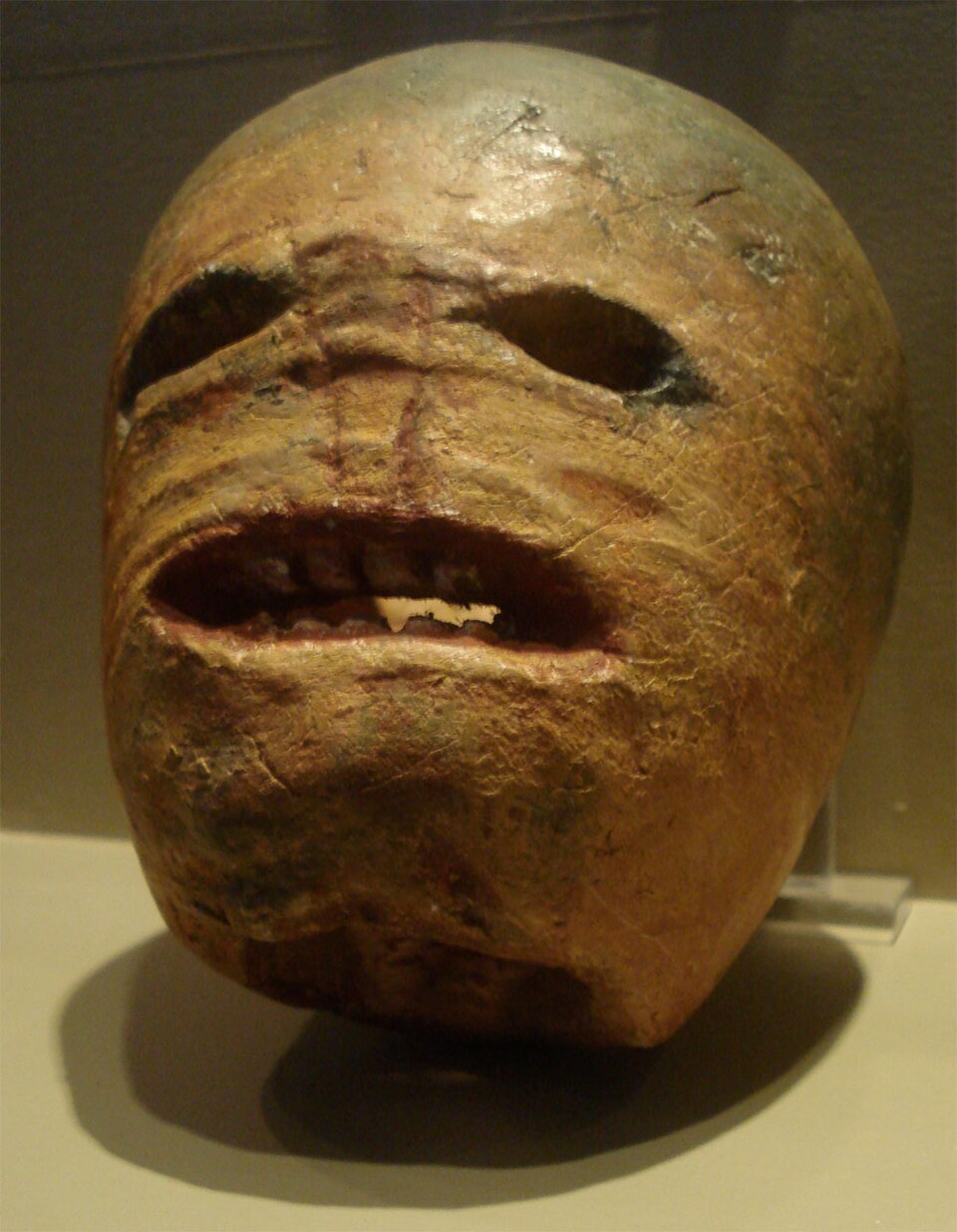
3. We should be carving turnips, not pumpkins.
These pumpkins with a light inside have their origin in a Celtic folk tale about a farmer who wanted to play a nasty trick on the devil. The devil forced him to wander through purgatory with nothing but a single piece of coal from hell. The farmer took the coal and made a lantern out of a turnip, using it to guide his lost soul.
The myth was brought over by Irish families fleeing the famine in the early 1800s, and since turnips were very hard to find in the United States, they used pumpkins instead to guide their lost souls and keep evil spirits away.
4. Halloween symbols are not random.
Black cats, spiders and bats are symbols of Halloween because of their spooky history and their links with Wiccans. All three were used by witches in the Middle Ages (according to popular belief), and they are often associated with bad luck.
Bats are the most closely connected to Halloween because of the ancient Samhain ritual, in which a bonfire was lit that drove away insects and attracted bats.
5. Halloween is the second most commercial holiday of the year in the United States.
The American sweets industry takes in $2 billion a year thanks to Halloween, and the holiday as a whole is estimated to generate around $6 billion, including sweets, costumes and decorations.
In other words, after Christmas, Halloween is the biggest occasion for consumer spending in the US, ahead even of Valentine’s Day.
6. As a rule, you won’t see a full moon on Halloween.
Horror films have shown us witches flying across a full moon, but the truth is that a full moon rarely falls on Halloween. The next full moon on Halloween will not happen until 2020, and the previous one was in 2001.
Featured image: Rannpháirtí anaithnid at English Wikipedia, CC BY-SA 3.0, via Wikimedia Commons.