Editor’s note: This article was first published in November 2014; its infection figures and the state of testing and research reflect that time. WHO estimates have since been revised to about 6–7 million infected. This November 2014 article is not medical advice. For current information on Chagas disease, consult health authorities such as the World Health Organization.
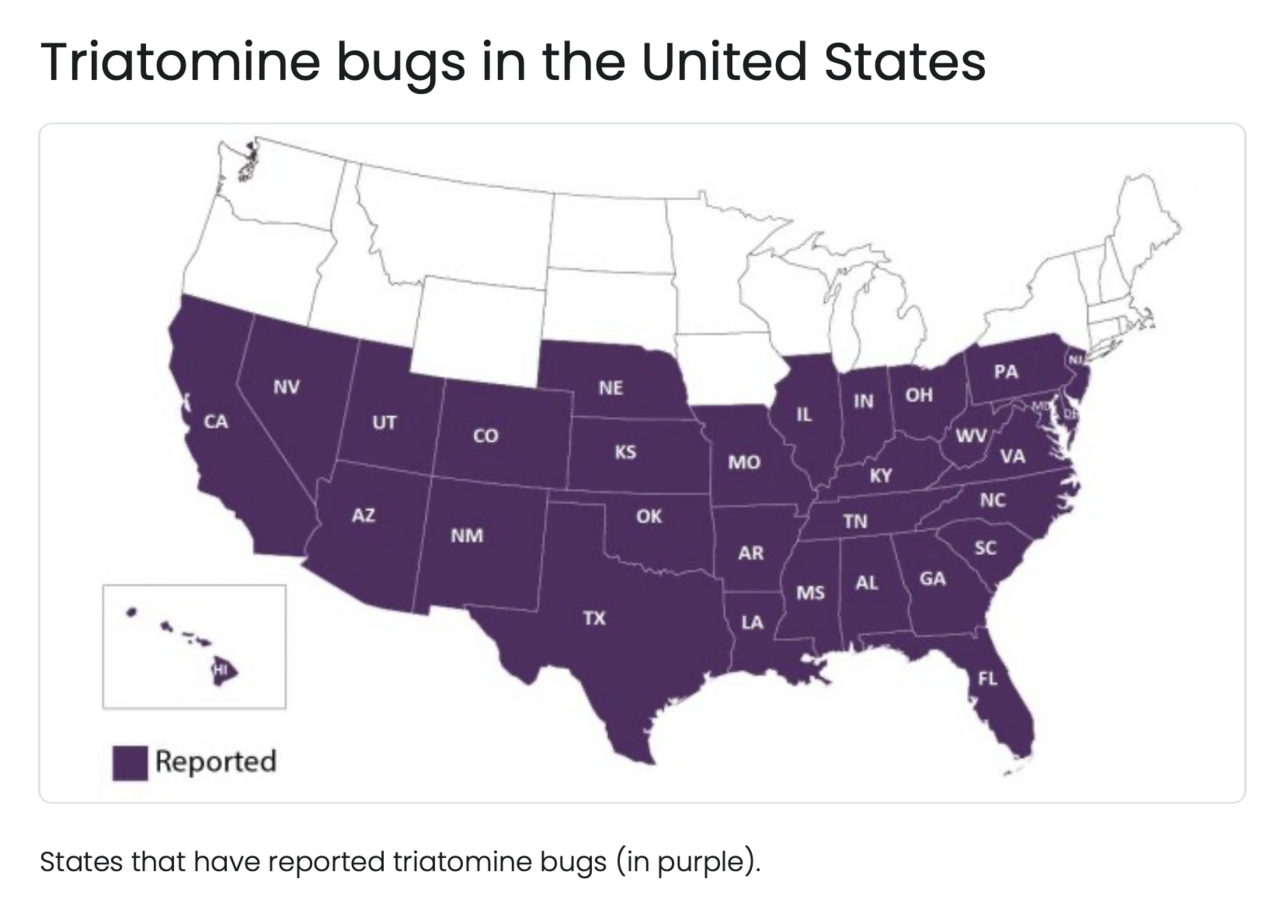
It is estimated that between 7 and 8 million people worldwide are infected with Chagas disease, mainly in Latin America, although it is now raising alarm in the United States after several cases were recently found in Texas.
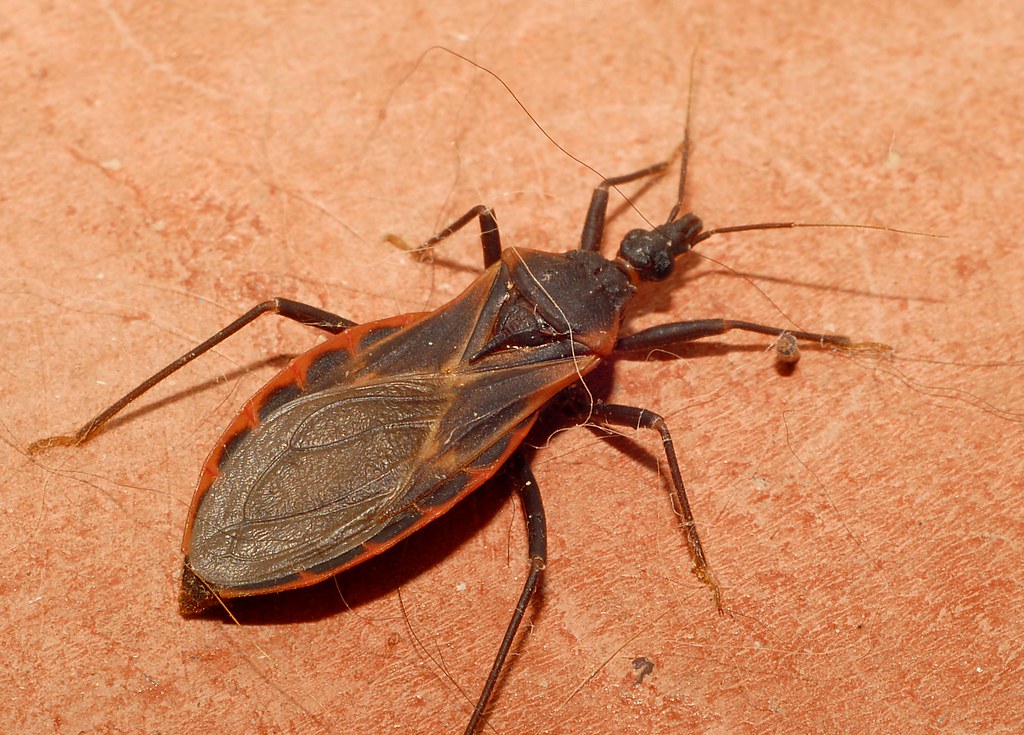
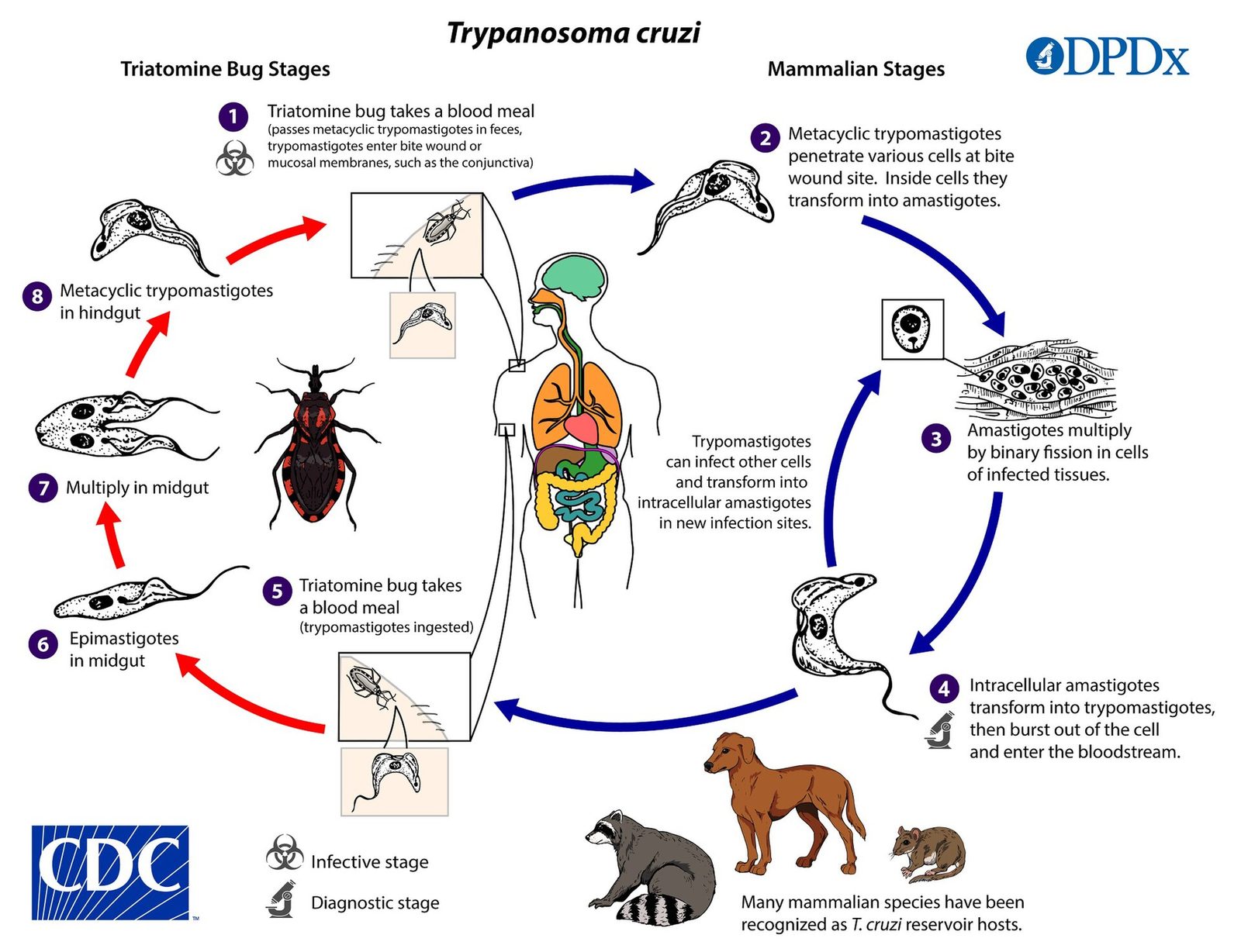
The Washington Post reports that 17 new cases of the disease have been found in Houston. Chagas originated in Latin America and is passed to humans through contact with the triatomine bug, also known as the “kissing bug”, which feeds on human blood and bites at night. It carries a parasite called Trypanosoma cruzi, which is what causes the disease.
Researchers have found that one in every 6,500 blood donors in Texas tested positive for exposure to the parasite. That is already an alarming figure, considering that there are already 300,000 people infected in the United States.
The epidemiologist from Baylor College of Medicine in Houston says they were astonished to find not only a high rate of people testing positive for Chagas disease, but also the number of heart conditions they found linked to this parasite.
According to the epidemiologist, nobody knows how fast these infections are growing around the world, because there may be many undiagnosed cases. The disease has been called a “silent killer”, since most people who catch it show no initial symptoms, or only very mild ones such as tiredness, muscle aches and headaches.
People don’t really feel ill, so they don’t seek medical care, and in 30% of cases the infection ends up causing heart disease.
How does the insect that causes Chagas disease work?
The small insect is about 20 mm long and usually bites near the lips of a sleeping person, which earned it the nickname “vinchuca”. After it has fed on the blood, it tends to defecate, leaving its droppings near the wound. The person feels the itch and scratches, and without knowing it smears the wound with the insect’s droppings, which is where the parasite that spreads the disease is found. That is the moment when there is a risk of Chagas infection.
What are the symptoms of Chagas disease?
It is called the new AIDS because it is very hard to detect and its incubation period is similar to that of HIV/AIDS, causing the disease in two phases: acute and severe.
The first phase is completely silent, just like HIV. In the second phase, infected people may experience tiredness and body aches or headaches, and later on they could have some fever, swelling of the eyes (or of one eye) and general malaise.
The disease then goes into remission, sometimes for several years, so most people think they have had the start of a flu or some malaise brought on by tiredness.
But the disease comes back later, and people may experience constipation or digestive problems. At this stage the disease is already serious, and 30% of people develop heart or intestinal disease, which can lead to sudden death.
Sometimes up to 15 years can pass between infection and the onset of the aggressive stage of the disease.
Can it spread between humans?
Unfortunately, yes. The disease can spread from person to person, especially through blood transfusions, because blood donors are still not tested for possible infection with this parasite, something that is only now starting to be done.
For now it is not known how much the likelihood of contagion increases through other kinds of contact between people, such as saliva (very unlikely) or semen (unknown).
Can Chagas disease be cured?
Yes, if it is caught in time, although the usual treatment involves up to 3 months of strong medication with severe side effects. The main obstacle to early detection is the incubation period, which makes it very hard to detect because there are no symptoms.
There is also a stigma that makes those affected more reluctant to seek medical help, since in Latin America it is known as the “disease of the poor”.
As happened with Ebola, this disease has not been given the importance it deserves, and nobody has invested in research or medication to fight it, because it was a problem of the poorest countries. But, as with Ebola, rich countries have forgotten that air traffic has increased considerably, and parasites and diseases can now travel easily from one part of the world to another.
This article draws on reporting by the New York Times, Wired, the Daily Mail and Business Insider.
Featured image: Glenn Seplak, CC BY 2.0, via Flickr.