Editor’s note: This article was first published in December 2014; Google’s announcement that it would close Google News in Spain from 16 December, ahead of the reformed Intellectual Property Law taking effect on 1 January 2015, was current news. Google News returned to Spain in 2022.
This is what happens when you don’t hold good cards in a negotiation and still feel entitled to squeeze: the other side, which has less to lose, shuts down its service, and you are the one who gets hurt.
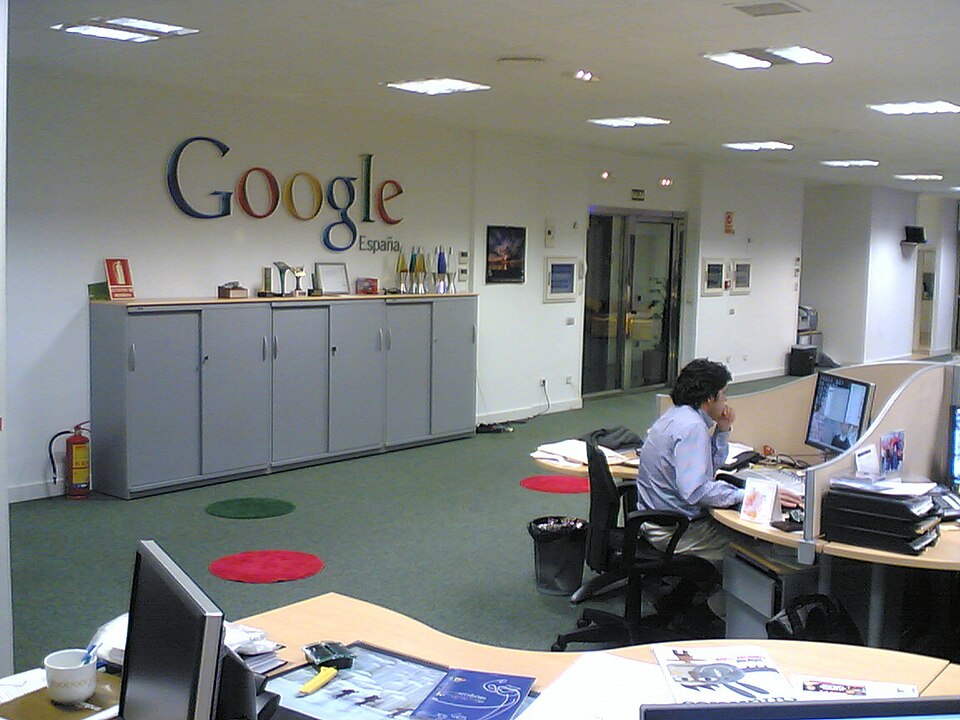
And so Spain has become the first country where Google decides to close its Google News service, a closure that will mean heavy losses for Spanish news outlets, which wanted to charge Google a fee for showing them in the results of its “Google News” service.
From 2 a.m. (Spanish time), users visiting the service find a notice in which Google explains why it has decided to withdraw the service from Spain. For the foreign press, Spain is once again starring in one of the most ridiculous examples of conflict management and of ignorance of how the internet works.
That is how TechCrunch sees it, explaining clearly that the internet is an ecosystem where, if you remove a major player, the rest suffer and die. The tech site is in no doubt that the Spanish media lobby bit off more than it could chew, and so it has choked, and will now suffer indigestion followed by a long famine.
Remember that the stance taken by AEDE (the Spanish newspaper publishers’ association) had already been tried in Germany, where the media group that owns the influential Auto Bild sued Google for including it in Google News. Google responded by removing it from the search engine, and the result was a drop of more than 40% in its traffic. Within a few weeks the group was forced to reconsider and ask Google to index it again.
Other countries, such as France, tried it at first but were quick to back down. And my dear Spain, my beloved Spain, with its own Spanish trademark style, thought it could take on Google and bring it to its knees; now, unless the situation they have created all by themselves can be reversed, it will end in long laments.
And if Spain doesn’t back down on its Intellectual Property Law and forces other news aggregators such as Menéame (a popular Spanish news-sharing site) to close, Spanish media will bring about their own ruin, because referral traffic is the main food of the media, and that is precisely what they want to punish and penalise.
For my part, I can only congratulate the mastermind who caused this problem and made the media members of AEDE believe they could have a happy ending.
Neither side has disappointed me: Minister Wert has done things the way he does them best, and Google, for its part, has done the smartest thing it could and has sent a forceful message that will make other countries think twice before trying to charge for something that isn’t theirs.
Sorry, Minister Wert: in this pissing contest, Google wins.
Featured image: Enrique Dans, CC BY 2.0, via Wikimedia Commons.