Editor’s note: This article was first published in July 2015, while the case was still before the federal court in Detroit; the 175-year sentence he is said to face, which prosecutors had asked for, reflects that stage of the proceedings. Farid Fata pleaded guilty in 2014 and was sentenced in 2015 to 45 years in prison. According to the prosecution, his 553 victims included people who did not have cancer and cancer patients who received unnecessary treatment.
If receiving a cancer diagnosis must already be one of the hardest experiences there is (as hard as going through the treatment to fight it), then a healthy person being diagnosed with cancer by their oncologist, without ever having had it, and then being given chemotherapy for something they don’t have, must be a terrifying experience, the plot of a good horror film.
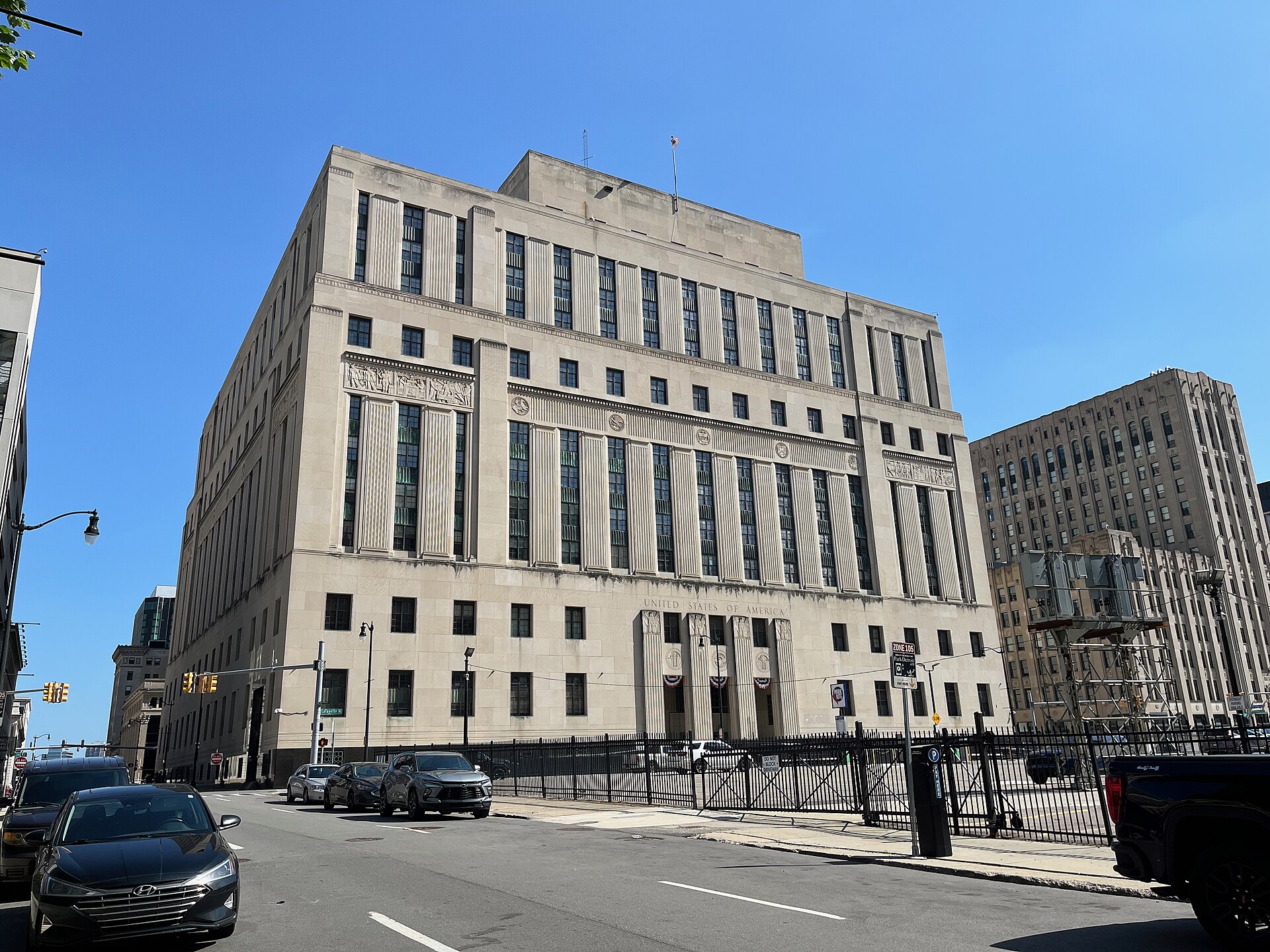
Unfortunately, this isn’t a film but a real case (553 real cases, to be precise), which is currently before the federal court in Detroit, in the United States.
Dr Farid Fata faces up to 175 years in prison following an FBI investigation which, according to the prosecution, showed that this oncologist, who ran a total of seven clinics, subjected at least 553 patients to chemotherapy they did not need. According to the investigators, he did so knowingly and purely for financial gain.
According to the BBC, the doctor submitted bills worth 225 million dollars. It’s simple: for every cancer case he made money; the more cancer cases he had, the more money he pocketed; and if there weren’t enough cancer cases to satisfy his greed, he would make a false diagnosis and turn a healthy person into a cancer patient in need of expensive treatment.
According to the FBI, the treatments that earned him the most money were also the most expensive and aggressive ones for patients, in other words, those used for severe cancers with poor chances of survival. Investigators say he did not hesitate to make some of his patients believe that their cancer had spread too far and that they needed higher doses than normal, even though he knew they did not have cancer.
The doctor has already been dubbed “The Monster” because, as anyone can imagine, chemotherapy doesn’t only attack cancer cells: it also damages healthy ones. Chemotherapy on its own can kill a healthy person, especially if the treatment is very aggressive and prolonged.
According to the American Cancer Society, chemotherapy can damage different organs, most commonly the heart, kidneys, lungs and nervous system. Often, once treatment ends, the body recovers from the effects of chemotherapy and the side effects gradually disappear, but in other cases the effects and damage are permanent.
According to statements by some of the experts who testified before the judge, “The Monster” used a drug called rituximab, which should be given a maximum of eight times even in the most aggressive lymphomas. Yet everything indicates that this oncologist gave it to at least one patient 94 times, so that he could send larger bills to the insurer.
This doctor did not just literally torture his patients physically; many of them will be psychologically scarred for life. First they received a diagnosis of one of the most feared diseases, and now they find out that they never had it, that their doctor toyed with them, and that they went through what is probably the harshest medical treatment there is, with all the risks and damage that come with it.
As some of the testimonies put it, not even 1,000 years in prison would be enough for this man to pay for the harm he has done to these people and their families.
Featured image: Antony-22, CC BY-SA 4.0, via Wikimedia Commons.