

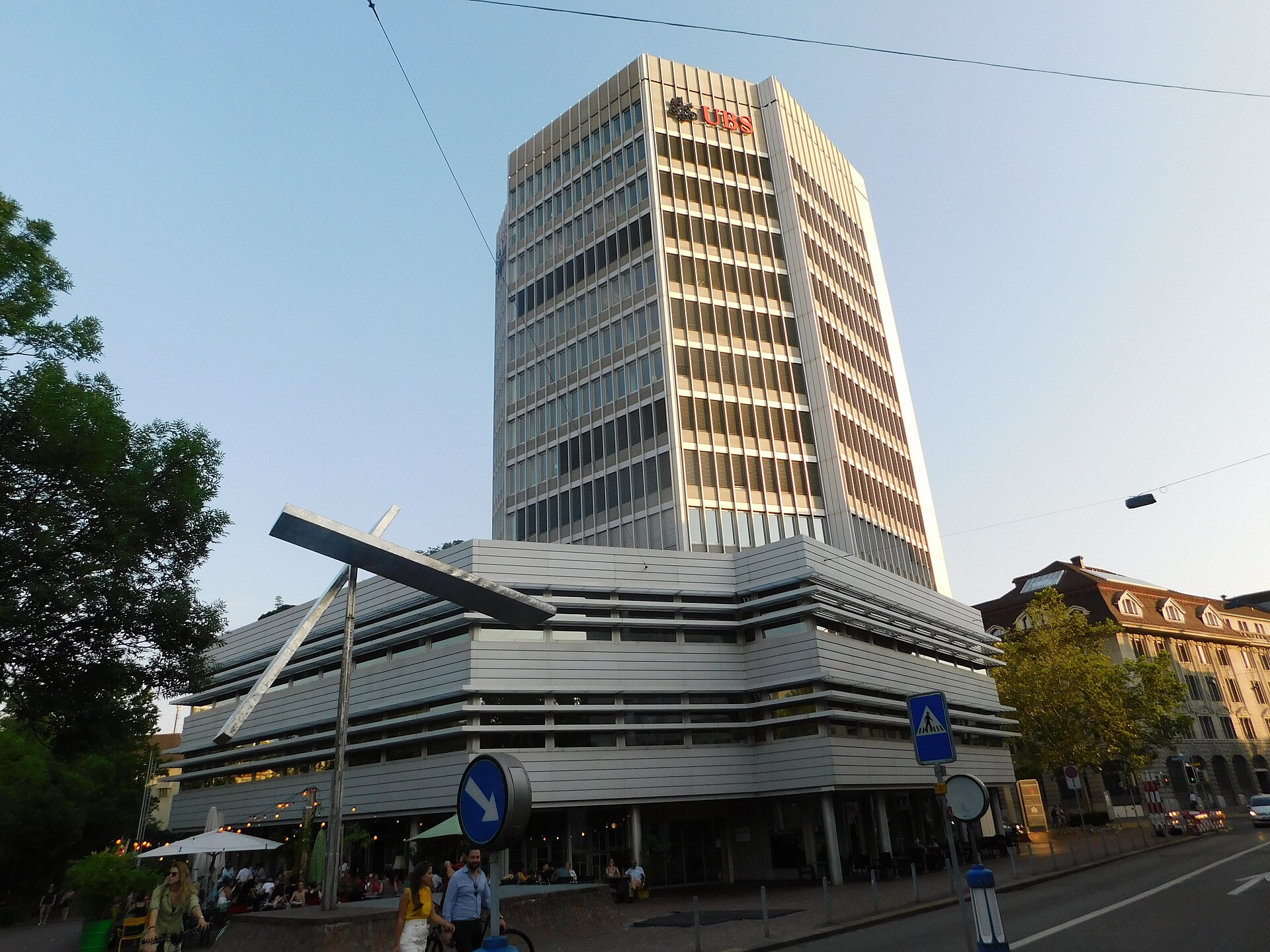
Editor’s note: This article was first published in September 2011, as day-of news from 16 September, the day after UBS announced the loss (initially about $2 billion, later put at $2.3 billion). The statement that UBS would post a third-quarter loss was a forecast then. The trader was convicted of fraud in London in 2012.
Three years after the collapse of Lehman Brothers, with those responsible for the bankruptcy still not prosecuted, we are once again seeing a series of episodes that call risk management in banking into question. The latest case comes from the Swiss financial sector, where UBS has announced a hole of €1,441 million caused by allegedly unauthorized trades by one of its traders.
Kweku Adoboli, 31, works as a trader at UBS, where he apparently made several failed trades in search of quick returns. When those investments didn’t go as he expected, he behaved like a compulsive casino gambler and tried to win the money back quickly with even riskier investments, which failed again, until the losses for the bank reached €1,441 million.
Although Adoboli has been arrested and will probably be charged with fraud, he didn’t make these trades for his own benefit but for the bank’s. Experts say that banks’ trading operations are so tightly controlled that it would be impossible for a single person to make trades like these, so this stock market “expert” must have had supervision and authorization from other managers at the bank.
The version some industry experts give is that UBS went for a quick killing and fell flat on its face, so heads have to roll, and this person has been made to take the blame, even though until today he was considered a market expert with an excellent reputation. UBS will post a loss again in the third quarter.
This is a good moment to remind you of the dangers of investing in a mutual fund. Make no mistake: the money UBS gambled on these losing trades is its customers’ money, which they have invested in various products, including investment funds. UBS denies that its customers’ money was ever at risk, an absurd denial, because the money banks invest comes out of their customers’ pockets.
This case, together with other cases of so-called brokers who pushed banks to the brink of bankruptcy, reopens the debate about how effective banks really are at managing and limiting risk.
Perhaps the best-known case is that of French trader Kerviel, who worked at Société Générale and for years made risky bets until he had built up losses of €5,000 million. Kerviel was convicted of fraud and sentenced to three years in prison, even though he told the court that everyone at his bank knew what he was doing and that his superiors monitored and approved every one of his trades. It was never shown that Kerviel had lined his own pockets.
What happened to the people responsible for Lehman Brothers?
Lehman Brothers was the biggest bankruptcy in history, worth more than $630,000 million. Not one expert analyst, trader or supervisor managed to foresee the risk they were handling, and once they realized what was about to land on them, they turned garbage into twice as much garbage, spreading the “cancer” through the financial system worldwide.
With the trial of LB’s executives probably just a few months away, none of them is likely to end up in prison, since they all still work on Wall Street, spread across various firms with big names in the financial sector.
The most shameless case was that of Lehman Brothers’ own CEO, Dick Fuld. Seeing the storm that was about to break, he sold his Florida mansion, valued at more than $13 million, for just $105. Unsurprisingly, the buyer of this bargain was his own wife, and the sale was a way of making sure that, after a possible trial, some of his assets couldn’t be seized.
In any other company or industry, executives who had caused so much damage would never be able to work for similar firms again, but the financial sector is different. In this sector these people are admired, to the point that some of them, far from losing their jobs, receive partnership offers from financial firms, are put in charge of running funds, and set up their own financial platforms, with plenty of wealthy clients asking them to manage their money.
Ironic, isn’t it?
Featured image: VKras, CC BY-SA 4.0, via Wikimedia Commons.



