Editor’s note: This article was first published in October 2011. The WHO figures it cites (billions a year, 20% annual growth) and the lawsuit against Google over AdWords ads date from then. Google AdWords has since been renamed Google Ads.
The internet has made things much easier for entrepreneurs who decide to develop their business ideas and conquer markets around the world. Of course, in the same way, it has become an open door for those other “entrepreneurs” whose business is built on scams or counterfeiting. Here, the counterfeiting and online sale of medicines can cause serious problems for consumers: according to the WHO (World Health Organization), it is a business worth billions a year, growing at a rate of 20% annually.
It’s easy to make consumers believe they are buying a genuine medicine, because counterfeiters are sometimes true artists who produce an exact replica, right down to the packaging. In other cases, this “black industry” takes advantage of the fact that some medicines are legal in some countries and not in others, so any consumer can buy them from websites.
A few months ago we learned of a lawsuit against Google for allegedly allowing counterfeit medicines to be sold through its advertising programme, Google AdWords, when in reality Google cannot control every advertiser. The company even acknowledged that, however watchful it was, it could block an advertiser, but as soon as it removed one, another would appear shortly afterwards. In other words, this business cannot be controlled.
The most counterfeited medicines
The best-selling and most counterfeited medicine online is the star product for erectile dysfunction (Viagra). The WHO warns that buying this medicine without a prescription can in itself cause irreparable damage to health. Add the fact that a counterfeit medicine may contain the wrong amount of active ingredient, and we could be talking about a real risk of death.
Other counterfeit medicines in high demand are those for treating sexually transmitted infections, since some people, wanting to be discreet, don’t go to their doctor and end up buying them online.
This industry also exploits the desperation of people with HIV and cancer who have heard that there are cures circulating around the world that the pharmaceutical industry has no interest in selling. Such a cure probably exists, but we are absolutely sure it won’t be found on these websites, so those affected not only lose money but can also put their health in serious danger. In some cases these medicines are harmless, meaning they have the same effect as a placebo capsule, but in others they are made by people without scruples.
Why is medicine counterfeiting booming?
This business is expected to keep growing because of legal passivity. If you set up a website selling cocaine and the police catch you, you could face 20 years in prison. For selling counterfeit medicines, on the other hand, you would face 2 years and would probably be out in 6 months, and if you have no criminal record you wouldn’t set foot in prison at all, since so far it is treated as a minor misdemeanour.
Bear in mind that not all online pharmacies are fraudulent, but it’s worth checking that the website selling the medicine is operating legally.
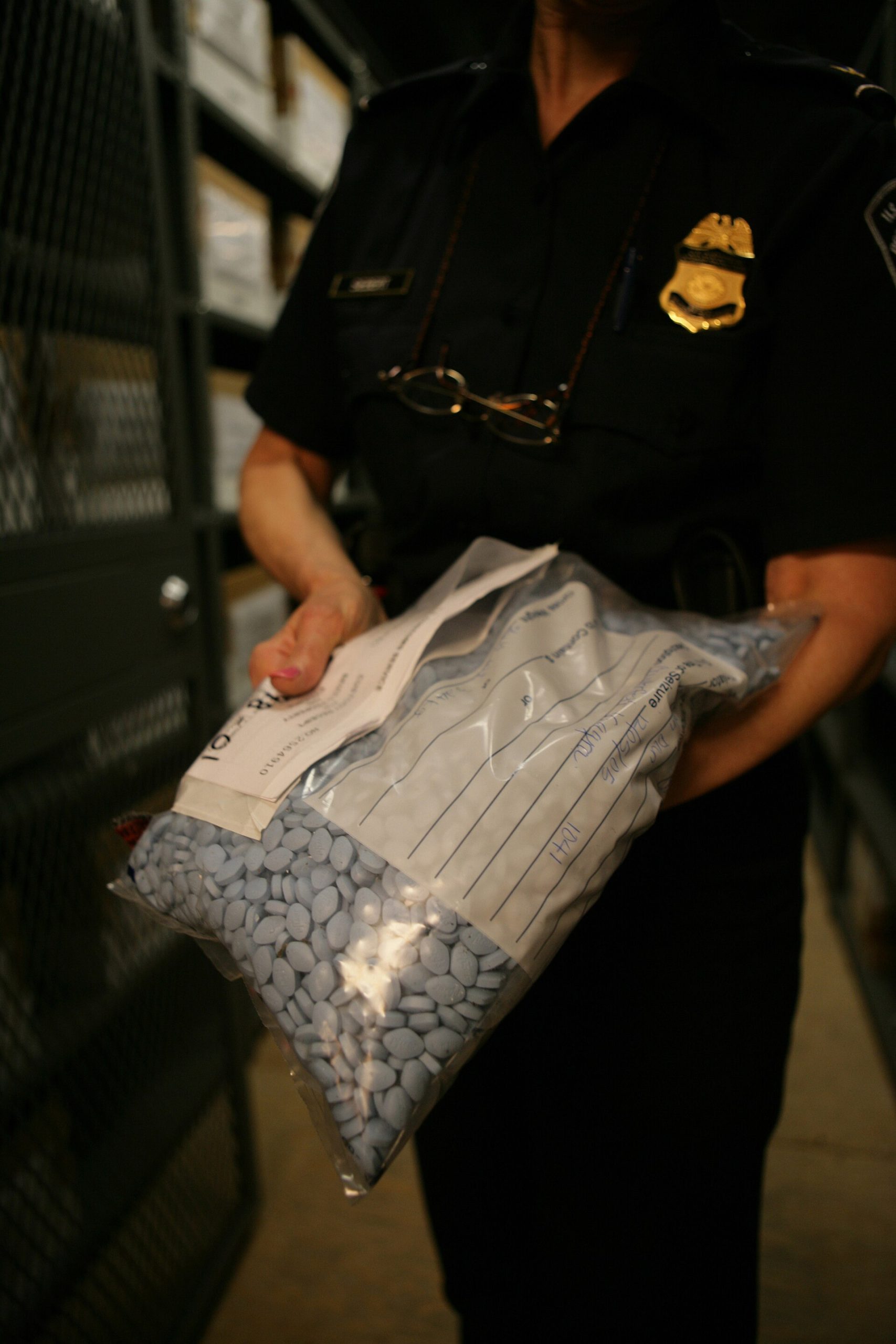
Featured image: James R. Tourtellotte, U.S. Customs and Border Protection, Public domain, via Wikimedia Commons.