Editor’s note: This article was first published in October 2011, shortly after Steve Jobs’s death. The Kindle holding about 3,000 books, iTunes as the world’s largest online music store, Netflix bringing new releases home and Blockbuster’s decline all reflect that moment.
The new technological era is an era of adaptation. Any business owner has to anticipate which products will be in demand in the near future, because sometimes, however hard we try, our products can become obsolete and be overtaken by innovation in the blink of an eye. When that happens, bear in mind that fighting for the survival of your business model isn’t always the best option; sometimes it’s better to spend your time and energy reinventing the model and adapting it to what the market needs.
Here are 5 examples of products that ended up “wiping out” traditional business models:
1. iPod (Apple)
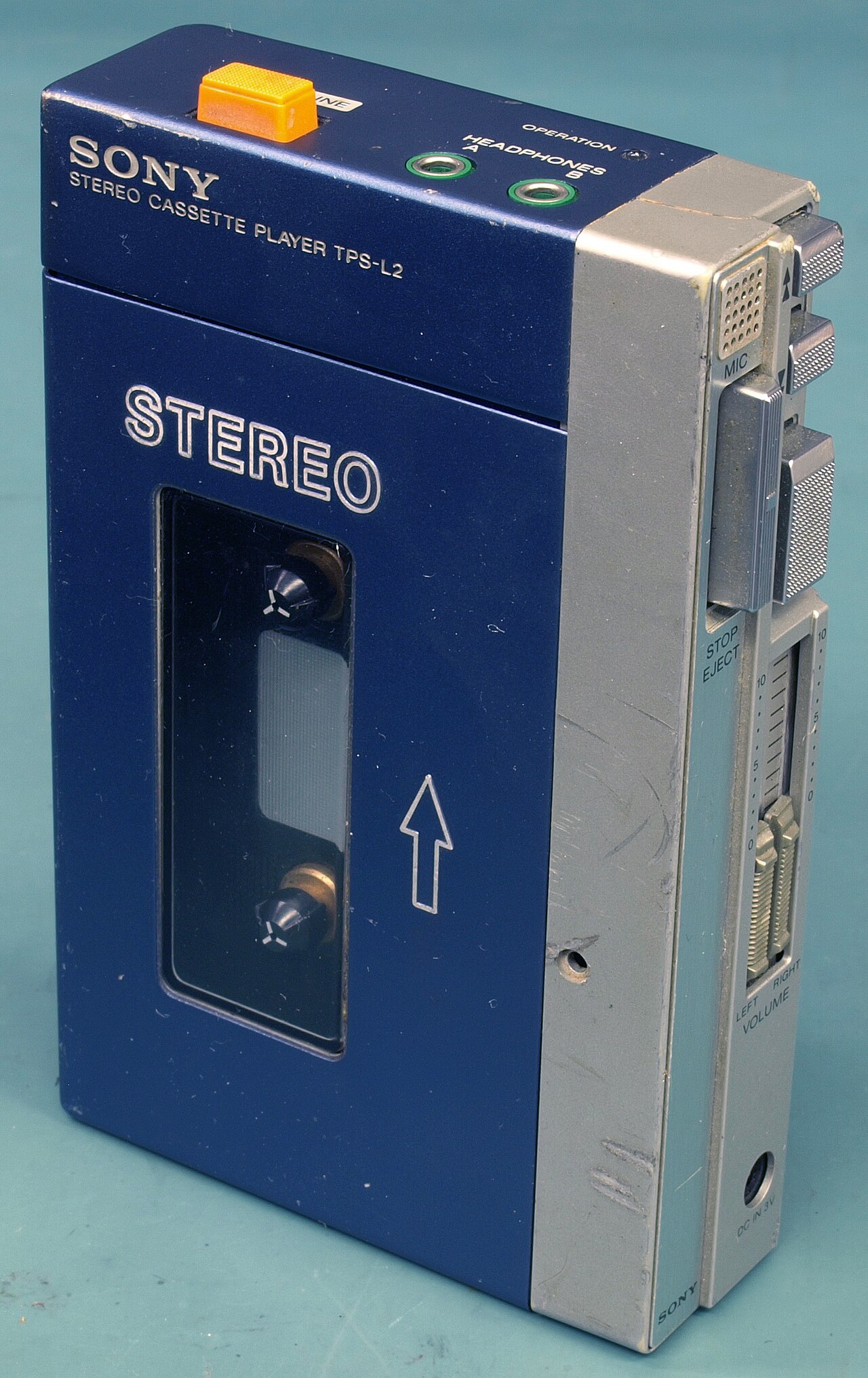
The iPod was introduced by Apple in 2001. Until then, the king of portable music players was Sony, with the Walkman and later the Discman. Sony fought fiercely to the very end against the inevitable, and in 2010 it stopped making the product without ever coming up with an alternative. Apple had quickly pushed it out of the market.
2. Amazon Kindle
Amazon reported that in the last quarter of 2010 it was already selling more e-books than paper books, and over the course of 2011 we can say that paper has clearly been overtaken by the e-book. A device that can store around 3,000 books, which can be bought more cheaply, is undoubtedly the future. Any person or company that has tried, or tries in the future, to compete against the e-book is entering a battle that, today, we could say is lost before it begins.
3. iPhone (Apple)
Apple appears again, this time forcing mobile phone makers to modernize. Until it arrived, a mobile phone made and received calls, and you could send and receive messages, but not much more. Apple turned the mobile phone into a portable office, as well as offering all kinds of entertainment apps: listening to music, downloading it, receiving email and countless other things. After the iPhone arrived, mobile phone sales fell drastically, and every company that didn’t see the change coming suffered a considerable loss of profitability.
4. Netflix
In some countries video rental shops still exist, where you have to pay a late fee if you return the DVD late, besides having to go out in person to rent the film. Netflix changed that: now you can get new releases from your own home. Blockbuster, a giant of the film industry, refused to see that something was changing, and today it is an example of what can happen if you stick with an obsolete business model for too long while your competitors innovate.
5. iTunes (Apple)
The largest online music store on the planet, which has caused a high percentage of physical music shops to close. While governments fight online piracy, Apple showed that the download business can be legal and a profitable business at the same time. Before he died, Steve Jobs left behind, with his invention, part of the solution to the headache some lawmakers are struggling with.
In the music and film business you have two options: set up a rights-management society with a few snakes at the top (like Spain’s SGAE), or adapt the industry to the iTunes and Netflix business model.
Other inventions that have finished off traditional business models, or will eventually do so, are email and e-commerce.
Do you remember the last time you bought a stamp to send a letter? Neither do I. Communication today is fast: if an email takes 30 minutes to arrive, we get nervous, so… who would want to wait 48 hours for a letter?
Meanwhile, electronic commerce (e-commerce) will be the future, even though some people still prefer to buy in a physical shop. The cost savings a virtual store can achieve end up translating into a better price for the consumer. That’s why the longer you take to steer your company towards online sales, or to make buying online easier, the harder it will be to adapt once everyone else has overtaken you.
In business, if you don’t innovate constantly and keep a close eye on the market’s needs and demand, you can easily be overtaken by other, somewhat more “visionary” entrepreneurs.
Further reading
- 5 business ideas invented and patented by children
- 10 original products to sell: “cool” ideas
- Business trends for 2012
Featured image: Binarysequence, CC BY-SA 4.0, via Wikimedia Commons.