Editor’s note: This article was first published in November 2011. It is a snapshot of that month: Google+ and the +1 button (Google+ closed in 2019), Google Instant (discontinued), Google Panda, PageRank as a ranking signal, Facebook’s 2011 news feed changes and the Google Analytics keyword change.
Constant innovation is good for any kind of business, product or service, but making changes that users have to get used to before they’ve even adapted to the previous one is, frankly, a pain in the neck. Perhaps the two companies “innovating” the most (changing things day in, day out) are the two biggest rivals on the internet, Facebook and Google, which, as is more than obvious, want to reach the widest possible audience and knock their rival off its perch.
The downside of this battle is that, in a fight between two companies clearly bent on total leadership, users are already complaining, and we still don’t know whether these two rivals are listening.
It’s a rare week when you open Facebook and don’t find something changed: a new button copied from Google Plus (+1), real-time updates to look more like Twitter and, for some reason, a new interface that is hurting most websites and blogs. Facebook says the change is meant to help websites that post an article on the network reach more people, and not always the same ones.
That theory sounds great to me. In practice, though, website owners commonly complain that the traffic Facebook used to send them has dropped considerably, and so has the number of “likes” users give their content.
Big blogs that a few months ago would get thousands of “likes” within hours of publishing an article now find that, days after publication, they rarely get more than 100 or reach 500. Be that as it may, this is the reality for a large share of the blogs and websites that used to get a considerable percentage of their traffic from Facebook. Some even wondered whether readers no longer liked their articles, but concluded it was down to Facebook’s changes, since interaction and the number of retweets on Twitter had held steady. On this point: “Thanks for helping, Facebook, but it worked much better before.”
Our beloved Google
I appreciate Google as a company, and I appreciate its founders for what they are to me: two stars of technology. But like all great entrepreneurs, at some point they may wage war on their rival, Facebook, without considering the “collateral damage” to users and to the owners of websites and blogs.
I think it’s perfectly fine for them to change the interface of all their services, such as AdSense, Gmail, Blogger and so on. These are changes meant as improvements. Some will be liked more and others less; we’ll have to get used to them, and honestly it doesn’t matter, we’ll learn to use the new interface.
As we all know, Google Search is the search engine most used by internet users, but lately you need an instruction manual to get the most out of something that is now much more than a search engine: a user can use Google Instant, preview a page, +1 a search result even before visiting the page, and even remove the results from a particular site.
Fine, all that is perfect. These are small features that have appeared gradually, and the more advanced user can take advantage of them to make searching the web an unforgettable experience. The less advanced user… well… will just search.
Nor is it a bad thing that they’ve improved the algorithm with Google Panda. I admit that Panda has cleared out some sites that didn’t deserve to rank well, although other sites complain that duplicate content still ranks ahead of the original article. Since they’ve shown this with several examples, it’s fair to say the change has cleaned up the internet “a little bit”, but it hasn’t been perfect, because it hasn’t managed to put the copy behind the original in every case.
Then we saw that the +1 button could help a site rank better. With this button, a site’s relevance would no longer be measured only by the increasingly less important PageRank; its ranking would now also be influenced by a kind of “SocialRank”.
Now, according to TechCrunch, Google has announced a new adjustment to its search results, a change the company says will affect 35% of searches, as it will try to rank fresh content on the hottest topics of the moment much higher. Well… we’ll have to see how this change plays out, because I’m sure some people will be happy and others less so.
Google recently explained that, to protect the search privacy of users with a Google account, the keywords they search with will not be collected by Google Analytics (the free version). So if you want to know which keywords these people use to reach your site, you’ll have to sign up for Google Analytics Premium. This hasn’t gone down well with website owners or SEO specialists, who need to know those keywords to rank a site (so to speak), and it’s clear that knowing them will now cost money.
The point is that, every day, Facebook and Google force us to learn new things. There’s nothing wrong with learning every day, but sometimes we don’t have time to sit down and study the latest changes to make the most of them. At other times, we may simply be witnessing what a Spanish saying calls “curling the curl until it’s straight again”, overcomplicating something until it’s ruined. Put simply, many internet users would like to send these two companies a message:
“No more changes, please. Give us a break.”
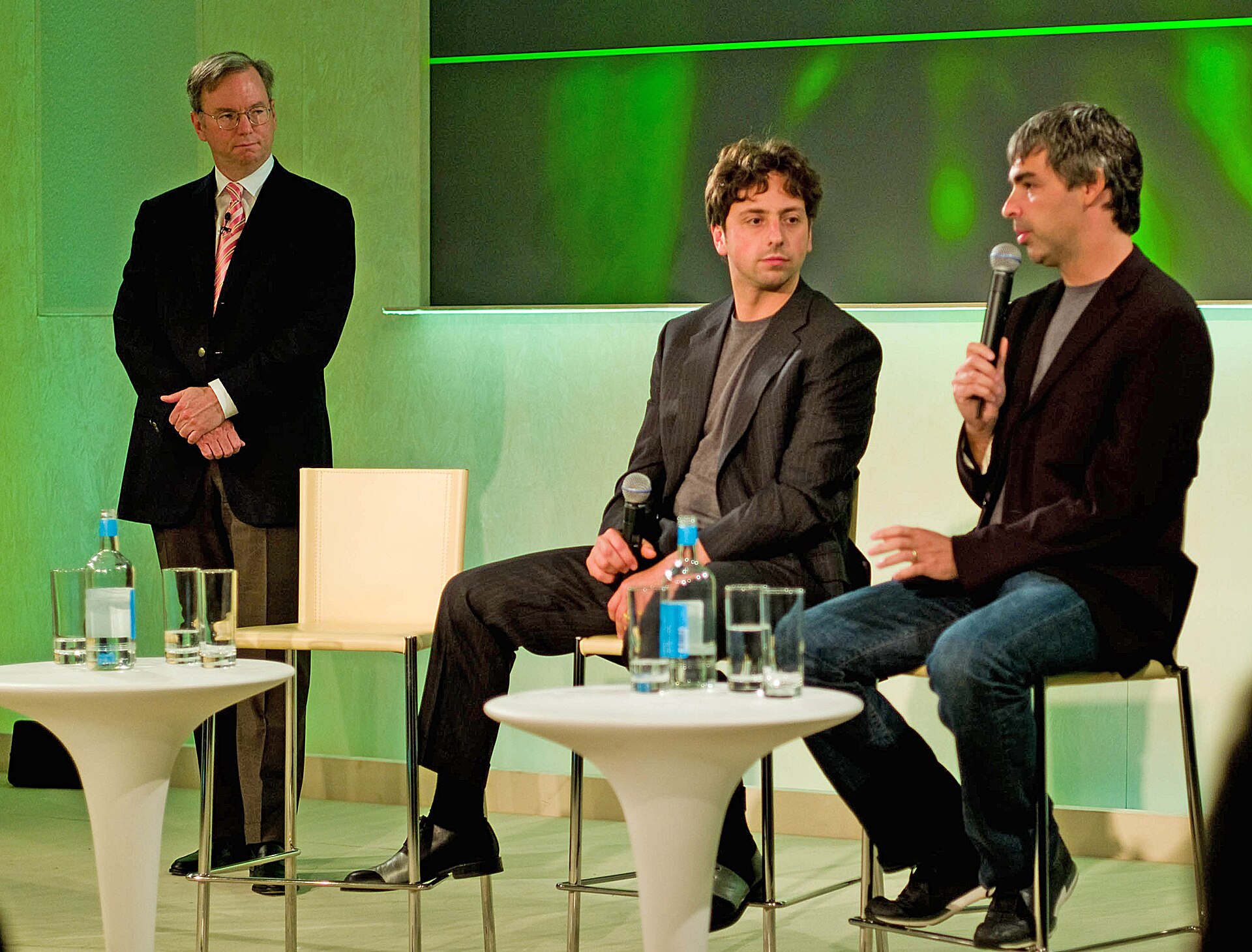
Featured image: Joi Ito from Inbamura, Japan, CC BY 2.0, via Wikimedia Commons.