

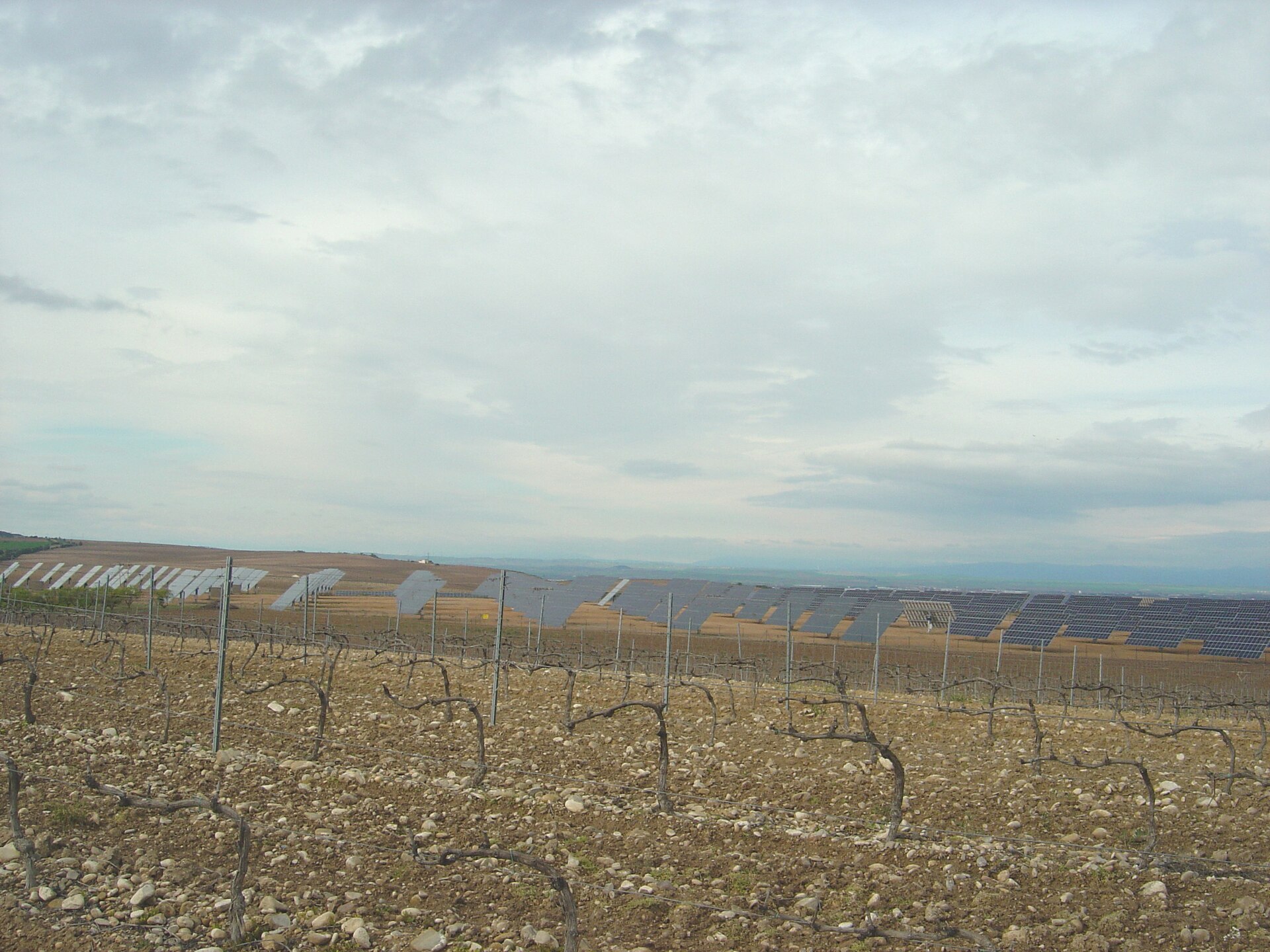
Editor’s note: This article was first published in December 2011. The “tariff regulated by law” listed as an advantage was cut retroactively by Spain in 2013-2014, which hit the returns of this kind of investment, and the €6,000 minimum ticket is also a 2011 figure.
With the crisis, the average saver is realising that deposits and bonds rarely beat inflation, and when it comes to equities they would rather not take on a lot of risk. That’s why investing in solar energy can look attractive: returns of up to 10% a year are often on offer, or at least that is the return offered by Parques Solares de Navarra, a leading name in Spain for this type of investment.
Some time ago we said that solar farms were a profitable business for investors. In fact, demand for this kind of investment shot up, and soon afterwards the subsidies investors received were cut. Add to that the difficulty of getting financing for these projects and the drop in interest from individuals because of the large amount of capital required, and clearly another alternative was needed. Right now, investing in large business projects in solar photovoltaic energy has become “fashionable”. You can get in from €6,000, although this investment is not free of risk.
Analysts recommend that, if we do get into this type of project, we only commit a small part of our investment portfolio (just in case) and that we do it with the long term in mind, specifically with a 25-year horizon.
According to Parques Solares de Navarra, this type of investment is booming in Spain; in fact, installations of this kind have been growing at annual rates of 225%, and the company says it can offer that 10% annual return over the next 25 years. Parques Solares de Navarra sets out its explanation on its own website.
How does solar photovoltaic energy work?
Investing in solar photovoltaic energy requires installing panels that turn sunlight into electricity, which is fed directly into the conventional grid. The electricity company installs a meter that records the energy delivered to its grid, and it pays the producer for 100% of the energy produced. The energy generated is intended for sale.
One advantage is that there is a tariff regulated by law, so we know how much we will be paid per kilowatt-hour, and the companies have agreed to buy all of that energy. Even so, we must stress again that it is essential to analyse the risks of this investment, since at one point the companies’ agreement was in jeopardy.
Featured image: Cornava, CC BY-SA 3.0, via Wikimedia Commons.



