

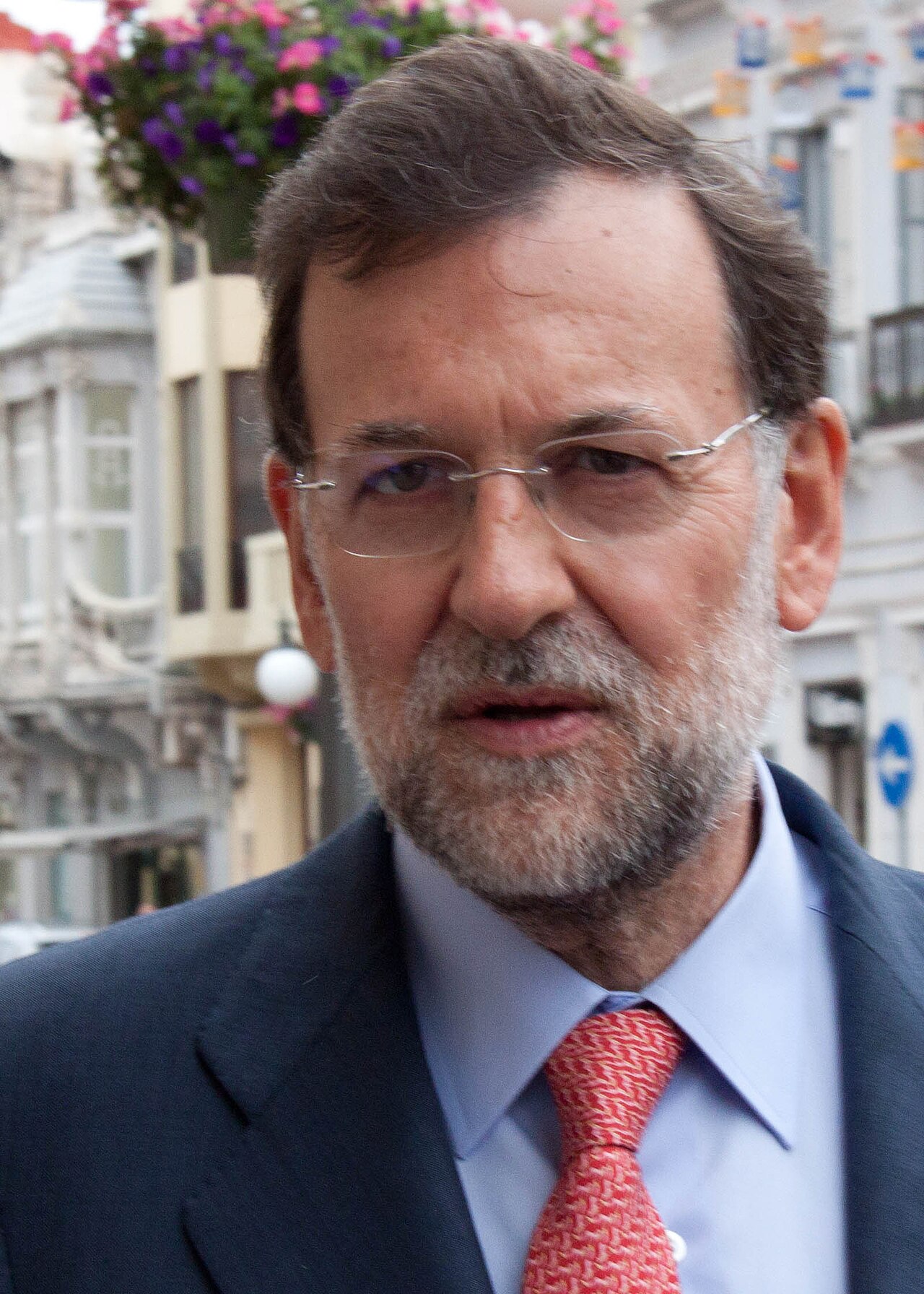
Editor’s note: This article was first published in December 2011 and reflects government promises from December 2011, when Rajoy took office. The promised entrepreneurs’ law took much longer than three months, becoming Ley 14/2013 in September 2013; the measures and tax rates listed were proposals from that time.
It seems the message has finally got through: “to get out of the crisis, we need to encourage the entrepreneurial spirit“. So the new government will focus on making life easier for entrepreneurs, among other things by speeding up the endless red tape entrepreneurs had to face when they decided to start their own business.
Mariano Rajoy has promised that within three months entrepreneurs will have legislation to encourage entrepreneurial activity, through the following measures:
- Reducing red tape when setting up a company, through “the conversion of one-stop shops into business activation points for entrepreneurs (PAE)“.
- Solving the systemic coordination problems of the more than 2,500 bodies that support entrepreneurs in Spain. Tax incentives and support for venture capital investment, “establishing credit lines, guarantees, private financing, business angels, etc.”
- Entrepreneurs, the self-employed and SMEs will benefit from deductions in corporate income tax (reduced rates of 20% and 25%).
- The business activation points for entrepreneurs will make it possible to set up a company online with a credit card. Entrepreneurs will be able to start operating straight away and will have six months to complete the paperwork.
- Incentives in personal income tax (IRPF), corporate tax, wealth tax, inheritance tax, transfer tax and stamp duty for informal private investors, or business angels.
- Creation of a seed capital fund with mixed public-private financing.
- Amending the Education Act for university and vocational training, with specific courses designed to foster entrepreneurship and business creation, with the aim of encouraging an entrepreneurial spirit in the minds of our young people.
- Various kinds of support for hiring the long-term unemployed, grants for self-employed workers hiring their first employee, and so on.
This initiative is undoubtedly good and much needed in Spain, although of course it has to go hand in hand with other measures to avoid certain unforeseen scenarios.
Even so, 2012 may turn out to be a great year to start a business, because it won’t be a good year to look for a job, at least in Spain.
Source: El País
Further reading
- Advantages of starting a business in times of crisis
- Before starting a business, answer these 5 questions
- Starting a business, step by step
- How to start a business with no money
- The most profitable businesses
Featured image: Flickr user ppmelilla, CC BY-SA 2.0, via Wikimedia Commons.



