Any company, however small, that has more than two employees needs to foster, look after, nurture and practice its own leadership style with its employees or work teams.
Leadership applies to a single person, to a group of any size, to departments in a small, medium-sized or large company. To a shop, to a particular sector, to a group of companies and even to a multinational.
Definitions
The official definition of leadership is based on the set of abilities, natural or acquired, that a person has to influence the minds of the people or group of people in their charge so that they work toward the goals of their workplace, based on set objectives, and to manage, bring together, encourage and motivate each individual in their team.
The leadership ability of the person in charge of the group bears the greatest responsibility for whether that business, that corporate objective, that team or that multinational achieves the goals and priorities the company has set in order to succeed.
Leadership styles
There is plenty of debate over whether leaders are born or made. What is certain is that the leader’s job is to turn the company’s objectives into reality, using one of two different leadership styles: those based on decision-making and those that grow out of a good social climate.
If the leader chooses to lead by creating the right social climate, team members will be motivated in their daily efforts, take ownership of the tasks assigned to them, feel enthusiastic, work as a team and spare no effort, and the leader will base their instructions on personal attention to employees. A good working atmosphere is the best motivation for a team.
This leadership style is based on the innate qualities of the person in charge of the area.
There is also the leader who isn’t born that way but is made day by day, through proper training in theory and years of practical experience. This is the leader who, through appropriate and sound decisions, achieves the set objectives effectively. In this case, team members are like automatons carrying out what the leader’s professional abilities dictate.
The leader according to the work situation
This is another way of classifying management styles, and also the most popular one. Here we would talk about the following styles:
- Directive: the boss acts as a boss, keeping tight control of the situation. Interpersonal relationships between boss and employee disappear, and behavior is strictly focused on the task at hand.
- Persuasive: the task is still the basis of the professional relationship, but the boss also approaches the employee as a person, with two-way communication: instructions come with an explanation of the reasons behind them, so that employees carry out the assigned work willingly.
- Participative: the task matters, but takes second place. This leader bases their style on the relationship with colleagues, making them participants and collaborators in the company’s objectives. This leader listens to their workers and supports them in their abilities.
- Delegating: the working relationship is based on trust in team members, who are made responsible for their own professional activities. Trust is the whole of this leader’s personal relationship with the team.
Of these, which management style does your boss have?
Further reading
- Hiring a leader: the qualities of a leader
- The main traits of a leader
- Leader or incompetent? In a crisis, you show what you’re worth
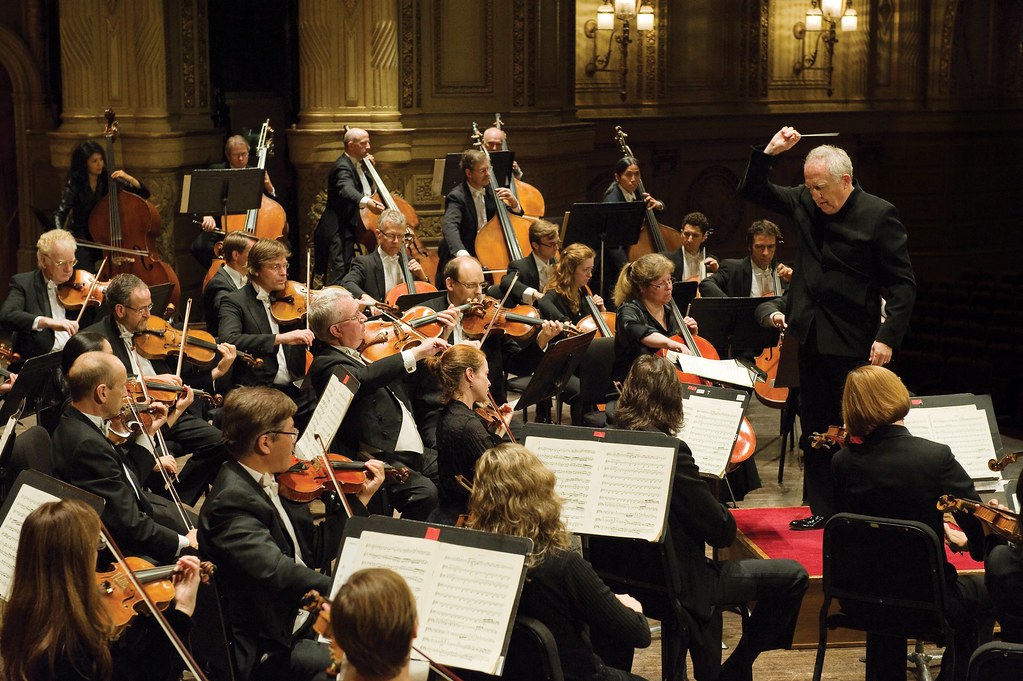
Featured image: Vancouver 125 – The City of Vancouver, CC BY 2.0, via Flickr.