

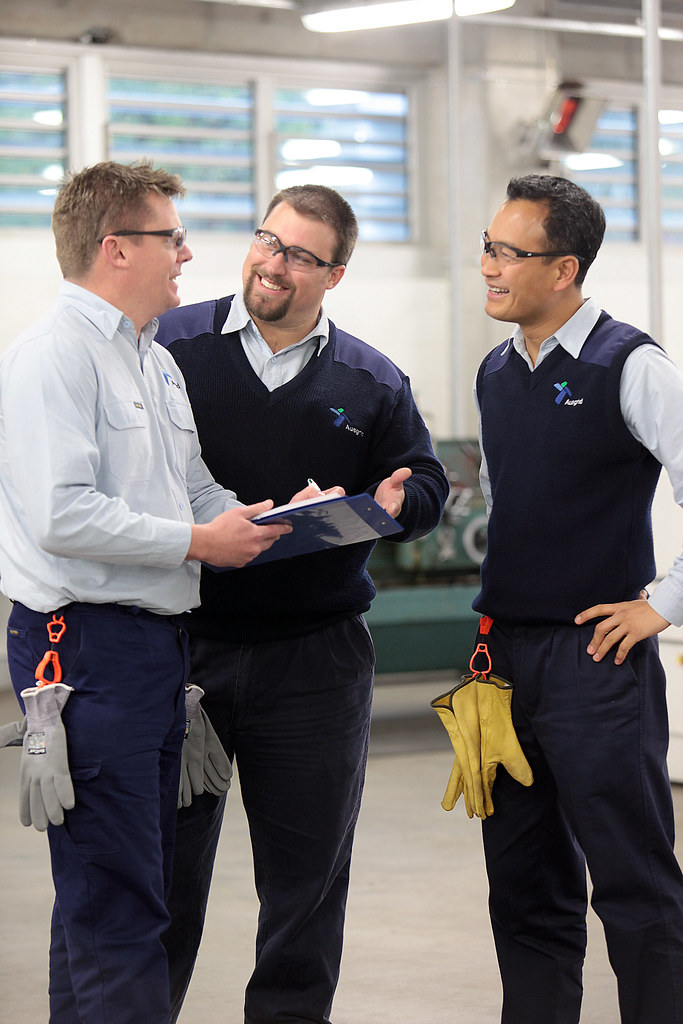
Helping your team grow professionally is one of the strengths of a good leader. Leading is not the same as giving orders, and the fact that you have made it doesn’t mean others can’t achieve similar results.
The leader is responsible for their work group, and part of that job is about people management. The more successful they are at it, the better their bottom line will look.
First step
A team leader should encourage teamwork, personal connection between colleagues, motivation and enthusiasm. Much of this comes from identifying the strengths and weaknesses of each person on the team.
Those individual skills and shortcomings hold the key to managing people successfully. For example, if someone’s strength is initiative, they should be given work that involves creativity, where they can contribute ideas or suggestions to improve that part of the process. Alongside them there should be someone whose strengths are persistence and sound judgement, who can weigh up and balance the moves of more impulsive colleagues.
Any skill gap or weakness in the team can be offset by other colleagues or by complementary activities. Take employees who aren’t natural team players: they can be given work that, in the medium or long term, makes them see they need help from someone else on the team. That way we’ll have given them a chance to grow in an area where they are weak.
Three ways to help your team grow
Job rotation
Rotating people between jobs has clear advantages for everyone involved. The company gains staff qualified to cover other areas when the person who normally holds a post is temporarily absent, and it gets to know each worker’s personal qualities in detail by seeing how they handle different situations.
Employees, for their part, avoid being pigeonholed in their job, gain a broader understanding of their work by getting to know other parts of the business, and stay motivated by continuous learning. For the leader, it’s a way to discover the strengths and weaknesses of the business.
Mentoring
This means pairing an employee with another employee who teaches them the job in detail. It allows the company to move the newcomer into the role already highly trained for it.
It’s an expensive arrangement for the company, and it tends to pigeonhole the employee in a very technical role, with little chance of changing or taking on different work.
Self-directed learning
The riskiest option for the company is to have its own workers analyse and solve the problems of other departments, as a way of assessing their abilities.
Featured image: Ausgrid photos, CC BY 2.0, via Flickr.


