

Editor’s note: This article was first published in May 2012, in the middle of the economic crisis and recession in Spain. References to the crisis and the current situation belong to that period.
People basically want to work for two reasons: financial reward and personal fulfillment. While for some, having to go to work every day is a punishment, for others it is practically a blessing. With the crisis, that feeling of “punishment” has largely disappeared, and today experts say that when we are out of work, our health deteriorates considerably.
Robin Simon, a sociologist at Wake Forest University, has said so emphatically: work is good for your health. It gives people social interaction as well as a financial contribution to their lives, and the added stress and the documented health effects of job losses in recent years show just how important work is to our well-being.
It’s true that with the crisis the work environment may have become somewhat stressful, since nerves and the fear of losing one’s job are the order of the day. Even so, workers naturally prefer, and want, that stress and that need to push themselves rather than spending their time on a job search that would probably go nowhere.
Robin Simon confirms that workforces are currently more engaged than usual, because they badly want the company to pull through, even if only out of the selfish desire to keep their own jobs. In his words, workforces are now more motivated than ever, despite the crisis.
Of course, this is motivation to hold on to what already exists, and that is where you need a leader who can harness those fears and that “survival motivation”, channeling them and steering them toward a specific goal. Workers have the energy and are willing to make an effort, but… what does the company have to do to channel that energy properly?
In a previous article we gave some ideas for motivating your employees, starting from the most basic pillars. Today we’ll talk about goals, objectives and the means to reach them, because in this area the company or the leader needs to do their part. The aim is to have not just a workforce striving not to lose their jobs, but happy employees who are genuinely motivated to reach those goals.
1. Clear objectives for a matching effort: Setting clear, realistic objectives is extremely important so that workers know the exact figure they have to achieve. If the objective is realistic (attainable), workers will motivate themselves when they see it so close.
2. Autonomy to reach the goals: Some companies set specific goals for a person without giving them the freedom or support they need to achieve them, whether because of bureaucratic hurdles or a lack of knowledge in certain departments. Example: a salesperson works hard to bring in quote requests from prospective clients, only to find that the department responsible for sending the quotes misses the agreed deadline, and the salesperson loses those future sales. Which brings us to the next point.
3. Enough resources and means to achieve the objectives.
4. Help from colleagues, managers and the company itself when obstacles arise: This is no time for rivalries between employees or for tripping each other up. It’s time to turn the workforce (manager included) into a tight-knit group, united in the fight for a single goal that is both personal and shared. When workers run into obstacles or difficulties along the way, now more than ever they need to know where to go and whom to turn to so the problem gets solved quickly. As for the manager or leader, now is when they need the qualities of a good leader we have discussed. And, of course, they must avoid the main mistakes a leader can make.
5. Encourage creative workers: As Donald Trump likes to say, a creative worker doesn’t need to be motivated, because their mind is always busy with something productive. Of course, sometimes workforces have no creative or innovative people because they are afraid of failing and being punished for it. It’s time for you, as a company, to remember that everyone fails, and once the mistake has been made there is little to do except learn from it and set out on a new course. As the old saying goes: “Only those who try can fail. If you don’t try, you won’t fail, but you won’t succeed either.”
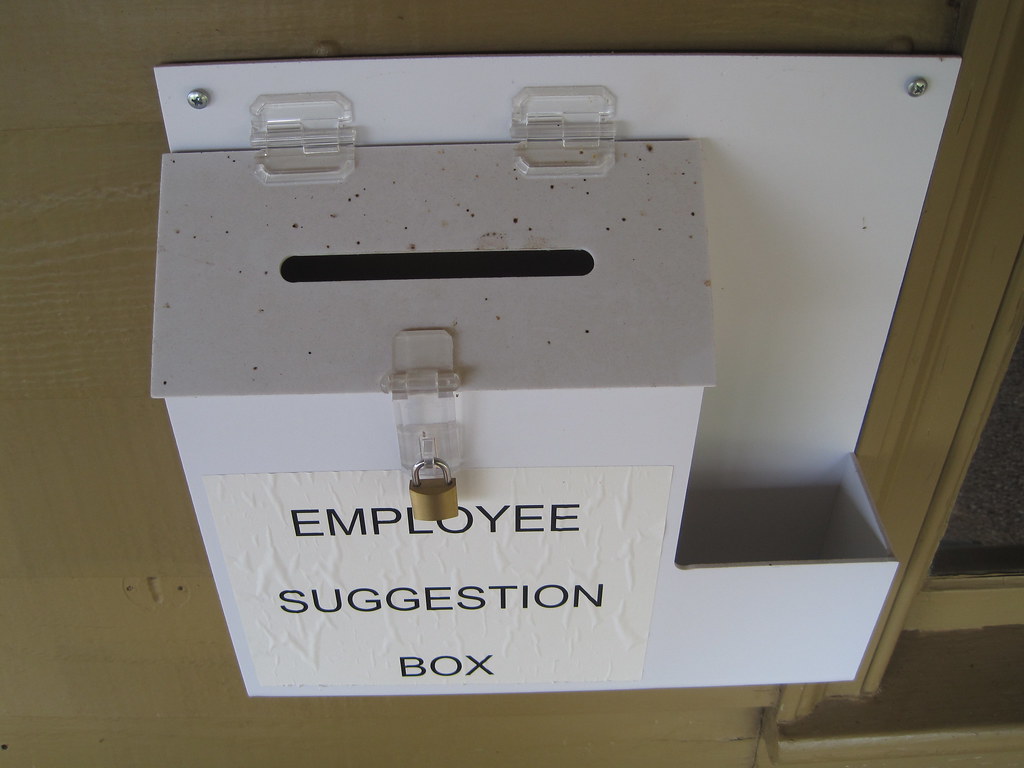
6. An idea salad: It’s time to listen to the ideas your workers have, whatever their level on the company’s organization chart. In some parts of the world, companies set aside one day a month solely to collect their workers’ ideas during a group meeting. On that day, the manager, the secretary, the salesperson and so on can put on the table the ideas they think could be useful for the company’s future. You’ll be surprised to find that the person you least expect comes up with a solution. And, back to the main topic, when workers feel listened to and have the chance to contribute something, it motivates them.
7. Enough time to achieve the objectives: This point is crucial. Earlier we stressed the importance of an attainable, realistic goal, but if we fall short on the “time factor”, the worker who set out motivated to take on the world may end up with a bad case of indigestion once the deadline is over. The time allowed to reach objectives should be generous, but not too generous, as that could have the opposite effect and breed complacency. You need to work out the right balance to keep workers engaged, motivated and, above all, happy, because, even if no study says so (or maybe one does), a smile sells.
In short: create a warm environment where workers feel supported, valued and equipped with enough resources to achieve what they set out to do (or the goals they have been set). Talk to the whole workforce to explain the current situation and what things would look like in the future, once the economy comes out of recession. Don’t talk to them about difficulties (believe me, they already know them). Talk to them about the opportunities that will come once this temporary obstacle is behind you. They need to know that better times will follow this storm and that the company will be counting on them in the future.
Featured image: Eugene Peretz, CC BY-SA 2.0, via Flickr.


