

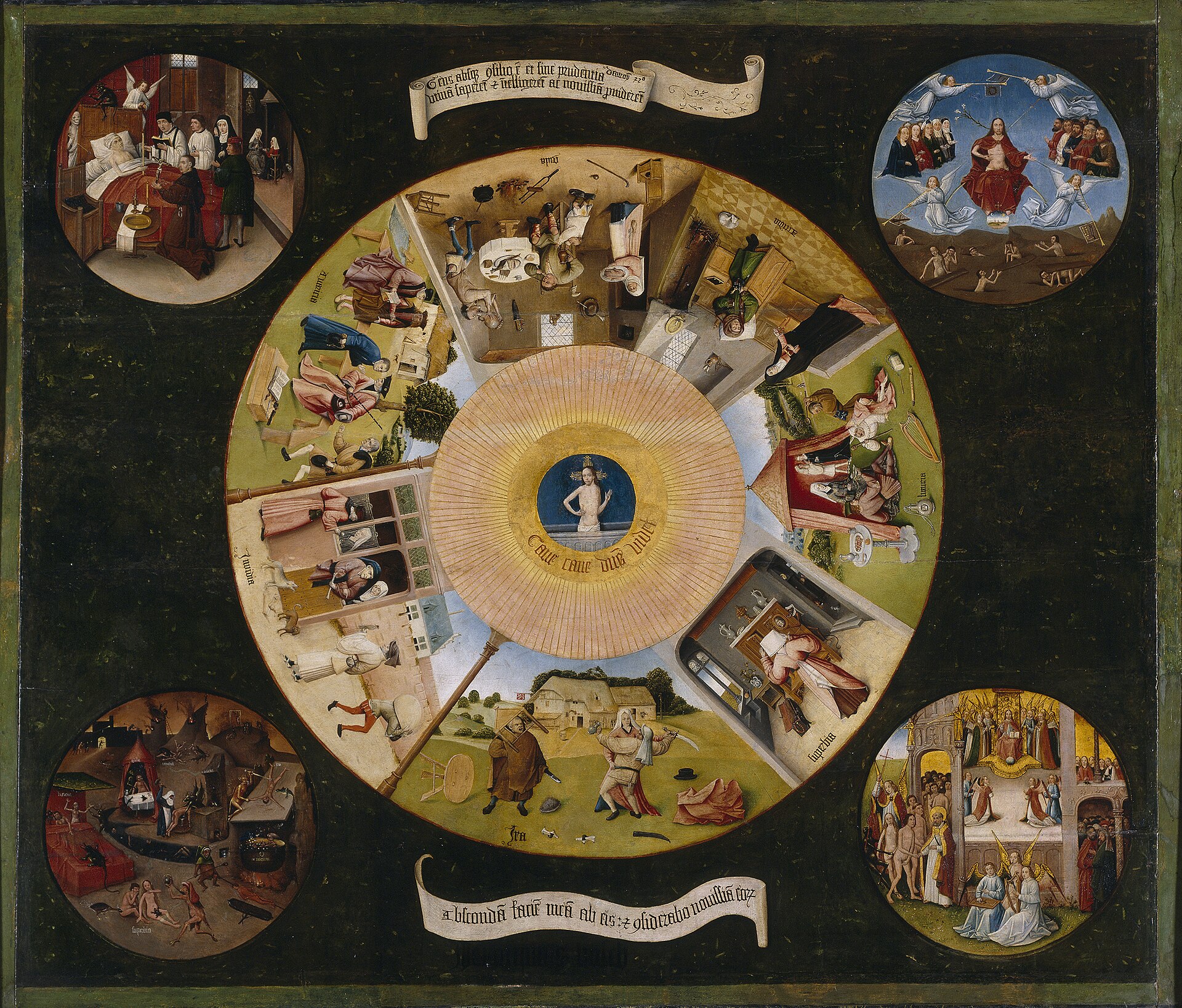
The seven deadly sins apply perfectly well to business. As we’ve said several times before, a company doesn’t go bust: it’s the captain or leader who sinks it, through a handful of mistakes that tend to be made again and again.
These failings are human, and since we humans are driven by instinct, here are the seven biblical “sins” to avoid in business and in our personal finances.
1. Lust and gluttony
Lust, as carnal desire, can put a businessperson on the ropes. Although films show us the opposite, the truth is that great entrepreneurs tend to lead very orderly lives; in fact, they became great entrepreneurs precisely because they didn’t let themselves be carried away by this kind of instinct. Lust can lead someone to have an affair with an employee while married. Mixing pleasure and work rarely ends well. On top of that, it can cost you a divorce, and a divorce takes part of your capital with it.
Lust also opens the door to excessive, uncontrolled borrowing.
Gluttony, in the biblical sense, is the pleasure of food and drink. In finance and business, it would be associated with excessive consumption, for the sheer pleasure of it, of any service, product or material that puts our finances or the company’s accounts at risk.
2. Greed
Ambition is good, because the opposite of ambition would be complacency (whose synonym is laziness). Greed, on the other hand, ends up destroying a person and, of course, a company. In business, we commit this sin when we want to take the profit that’s ours and the profit that isn’t ours as well. Greed makes us try to squeeze out the maximum possible profit, fattening the margin as far as it will go and paying workers as little as possible. In the end, that leaves us with customers who look for another supplier and workers who aren’t happy with their situation in the company.
Greed even reaches the way we behave towards competitors, when we try to grab territory we don’t need and aren’t ready to serve, which drags us into a battle we have little chance of winning. I know there’s a very fine line between ambition and greed, but I’m sure that when the time comes you’ll recognise it.
3. Wrath
You should never make a decision out of anger, because you run the risk of getting it wrong. Plenty of people at work have said what they didn’t mean to say and done what they hadn’t planned to do, even driving away a key person in the company or creating a tense atmosphere.
Before making a decision in that state, step away, relax and think. Once you’ve calmed down and weighed the pros and cons, do what you need to do.
4. Pride
Pride… the mistake that makes us say “I know more than everyone and nobody can teach me anything”, and that ensures we never learn anything. In business, this deadly sin stops us from listening to advisers, experts or our own workers. In personal finance, pride makes us believe that reading a few financial papers and sharing finance articles on social media has turned us into experts, so we make financial decisions based on our considerable “false knowledge”.
5. Sloth
They say poverty soon catches up with the lazy. “I know what I have to do to improve my business, but I’ll do it next week,” said the sluggard for the tenth time in two years. A lazy person rarely achieves anything: opportunities are there for everyone, but you have to make the effort to reach them.
6. Envy
An old man used to tell me that envious people are never happy, because there will always be someone who has something you don’t. In finance, envy makes us want the same things as our neighbour, even if we can’t afford them and have to buy them on credit.
In business, envy makes us pay more attention to our competitors’ businesses than to our own company.
Related to this article, I recommend: The ten commandments for guaranteed failure in business.
Further reading
Featured image: Hieronymus Bosch or follower, Public domain, via Wikimedia Commons.



