

Editor’s note: This article was first published in July 2010, as news from that month: the closing of the Anti-Corruption Prosecutor’s Office investigation in Spain, and Madoff’s statements from prison as reported at the time.
Spain’s Anti-Corruption Prosecutor’s Office has closed its investigation into the fraud committed by Bernard Madoff, currently considered the biggest swindler in history. After a year and a half of investigation, no evidence or sign of wrongdoing has been found against the main suspect, the man responsible for distributing Madoff’s products in Spain.
Andrés Piedrahita, the financier’s son-in-law and head of the firm Fairfield Greenwich, which was in charge of attracting major investors and wealthy Spanish clients, has been fully cleared of conspiracy to commit fraud.
Bernard Madoff paid his clients’ returns with the money he swindled from new clients. Everything went fine until the crisis hit and people began asking for the money they had invested back.
To give you an idea of how far the fraud reached in Spain, it hit not only individuals but also institutions such as Banco Santander and BBVA. Banco Santander’s total investment in the Madoff fraud came to 2.3 billion. In BBVA’s case, it was €300 million. Institutions in Italy, France, Latin America and Japan were also affected.
The overall figures are:
- $50 billion swindled worldwide.
- €65 million was deposited with the fund manager run by Andrés Piedrahita.
- 13,567 people were affected by the fraud. Reportedly, they include the ex-wife of Amancio Ortega (Zara).
Speaking from prison, Madoff himself says the investors forced him into the fraud. He says that if he didn’t accept their money, they turned hostile toward him. He now has no regrets at all about the big investors’ losses.
My only thought is that some people are born with a talent, as is the case with Bernard Madoff, who inspired trust and seemed to know how to get things done. He spent as much time devising a strategy to commit fraud as he could have spent building a business system.
It’s what my partners and I call wasted talent.
Further reading
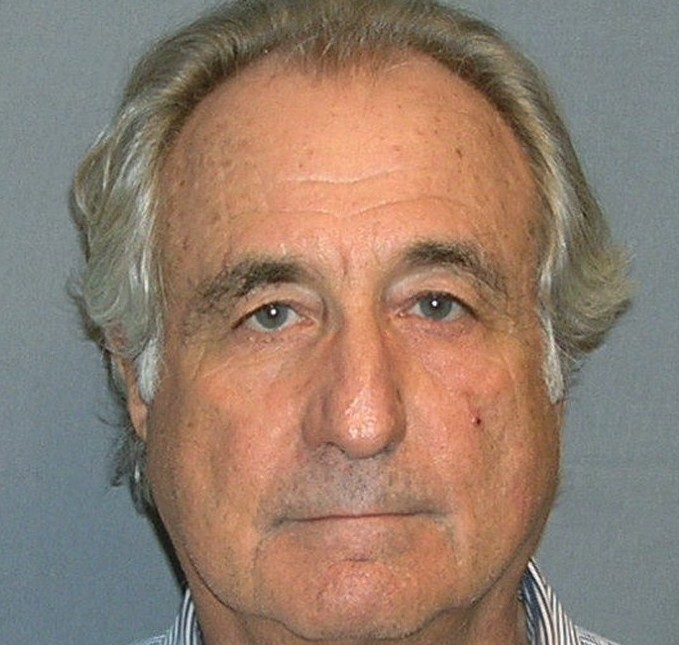
Featured image: U.S. Department of Justice, Public domain, via Wikimedia Commons.



