

Editor’s note: This article was first published in July 2012, and reflects the situation then: the first court ruling reported, more than 700,000 people affected and CNMV proceedings against 7 institutions. The preference shares case developed considerably afterwards, with arbitration processes and many court rulings that are not covered here.
Seeing a 78-year-old woman who can barely read and write, yet has put her entire life savings into preference shares without knowing what they are and without the slightest idea about financial markets, is frankly suspicious to anyone.
We all know, to a greater or lesser extent, some of the abuses banks commit, and it’s rarely possible to take legal action against them, because everything is usually written in the small print you sign, which turns any lawsuit into a waste of time. With preference shares, however, not all is lost, because in this particular case, as the saying goes, they’ve really put their foot in it, leaving loopholes that can be challenged in court.
Expansión reported today on the first legal battle a customer harmed by preference shares has fought against their bank: the bank was ordered to return the customer’s money in full, since it was found to have given the customer false and inappropriate information. More than 700,000 people have been affected by preference shares, and most of them fit the profile of a “swindled” investor with little knowledge of finance and markets. So how can you negotiate with your bank to get your capital back?
First and foremost, according to some experts, sit down with the bank manager and ask for the full amount you invested to be returned, using anything from the threat of closing your account and cutting all ties with the bank to a warning that you will take legal action against it. I know that some customers have got what they wanted this way.
At the same time, “swaps” have been taking place behind the scenes, in which the bank doesn’t return the customer’s capital but exchanges the product for a different investment, such as a fixed-term deposit, subordinated debt or convertible bonds. Of course, since the Spanish banking sector asked for a bailout, it is now Brussels that, to some extent, oversees these swaps.
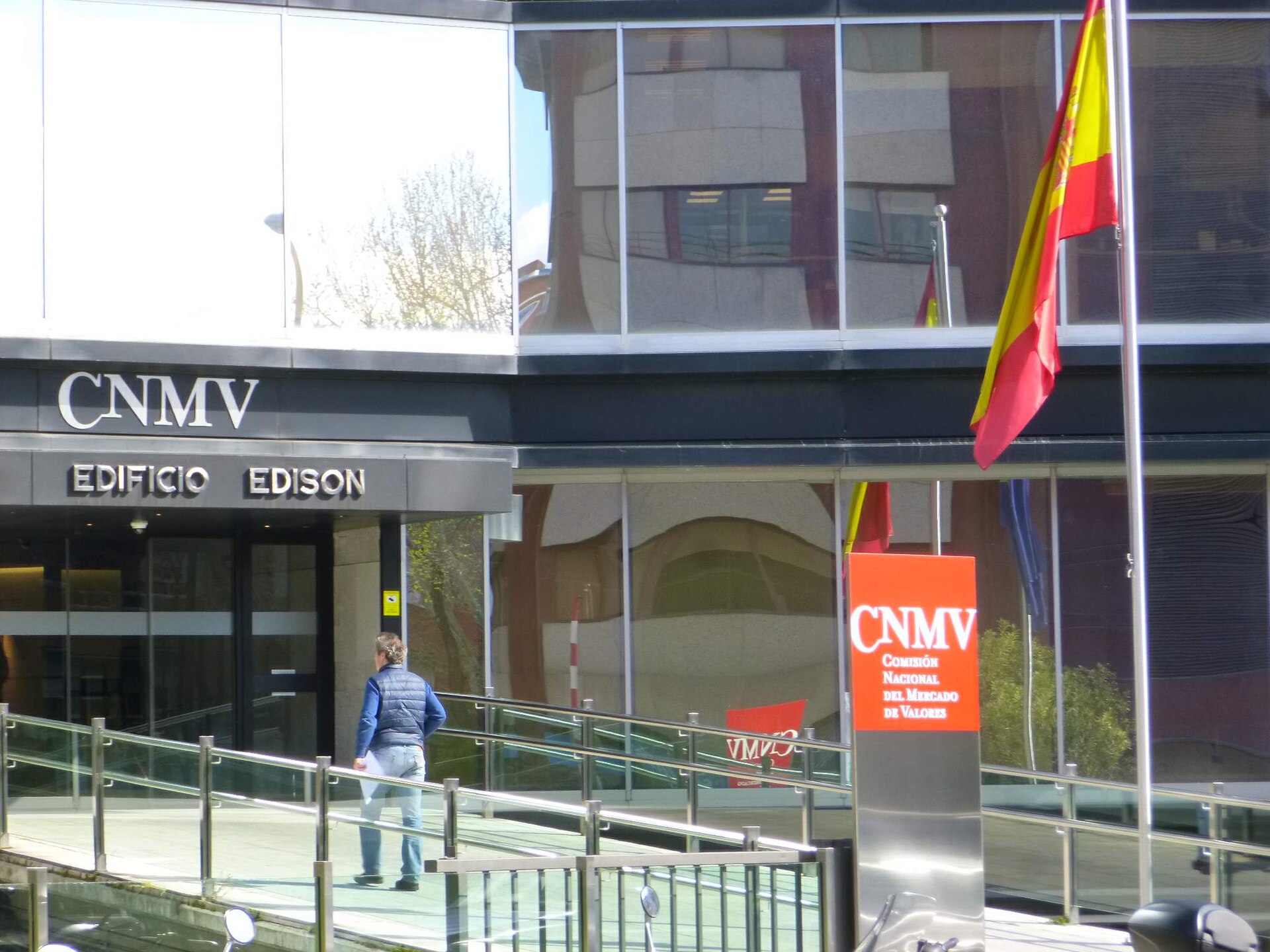
The CNMV (Spain’s securities market regulator) has even opened proceedings against 7 Spanish institutions, which will be investigated to see whether the information given to customers matched reality and whether customers were willing to take on a risk they had not been told about.
If the bank doesn’t respond the way we hope, experts say it is not at all crazy to take legal action in this case, as a contract can be annulled in court on the grounds of mis-selling, unless you have already signed a swap with the bank, in which case you would probably be unable to recover 100% of your investment.
One of the banks with the biggest preference share problems is Bankia, which in 2009 placed more than 3,000 million euros in preference shares with more than 90,000 individuals, a high proportion of them small savers who didn’t want to take any risk at all. Many of these customers say they were told at the branch counter that it was an investment as safe as a fixed-term deposit and even more profitable.
That’s why we never tire of repeating that you should only invest in things whose workings you understand, because what has happened with preference shares is no different from the way investment funds have long been dressed up to sell them.
That said, on the issue of preference shares, the law seems to be siding with the customer rather than the bank. This time, you could say, the banks have pulled off an outright scam.
Featured image: Zarateman, CC0 1.0, via Wikimedia Commons.



