

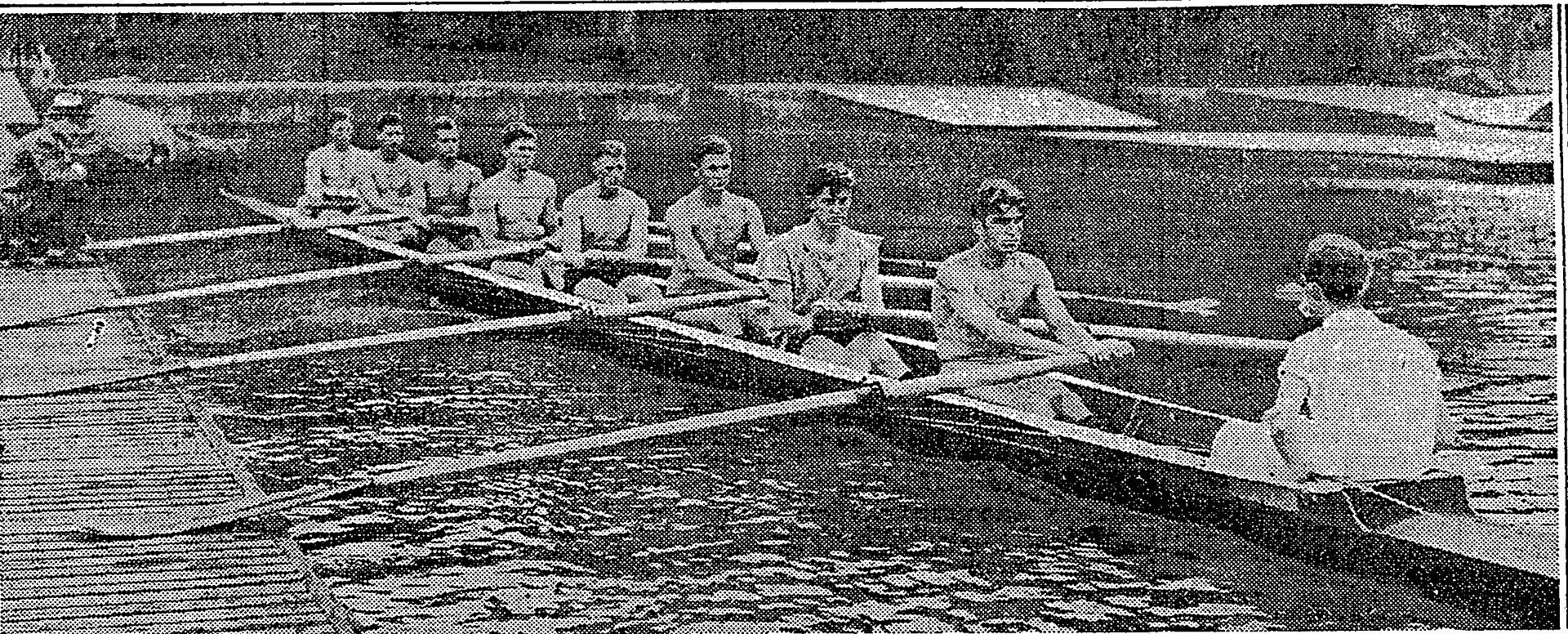
You are in charge of a department, and with you is a group of people, each with their strengths and weaknesses. You are going to work harder than anyone, but your professional success will depend on how hard your team works, and on the sum of the synergies that every professional team needs.
A good team leader is not the one who works the most, but the one who gets the whole team pulling together like a single oar in the professional challenge they have taken on. That takes luck and hard work, but also a bit of psychology, enthusiasm and willpower.
Put all of that together and you have the formula for success.
Analysing the team
First of all, we need to get to know the team, if it was already in place when we arrived. Let’s see whether there is a good atmosphere, or tension, envy or criticism. Let’s look for the roots of any problems and get to know each member individually. Once we know their strengths and weaknesses, it will always be easier to build on their positive traits and reduce the negative ones.
Let’s learn how they work and what procedures they follow. Let’s analyse their common behaviour and look within ourselves for our own best strengths and moments, so we can revive the enthusiasm and motivation that a team going through a rough patch may need.
Let’s find the best way to communicate, to trust, to hold people accountable and to recognise each member in proportion to their effort and dedication.
The magic formula
The magic formula for success in a team is a simple one. All it needs is recognition, lively work and motivation.
Recognition. Human beings build their relationships on affection. Someone who takes an interest in their colleagues has the gift of feeling close to everyone and of making others feel that they matter: that their problems and their daily lives, with their joys and misfortunes, matter to the rest of the team as well.
Our team members are not the people who work for us, but the people with whom we achieve our successes. Without them we can do little or nothing, and they are very important to everyone. Let’s make sure they know they are important to the team leader too.
Lively work. The working day does not have to be one unbroken routine. Every day is different, and new motivations and problems come up. Let’s involve the team in the positive and negative things that arise in daily work, as a way of finding solutions together.
We make the team feel important and useful by letting them take part in solving problems and contribute their suggestions and ideas. All of them deserve a hearing, some can be improved and others adapted. Let’s work together to find whatever enriches the team most, so that it becomes more productive and more solid in its daily work.
Motivation, or the fight against monotony. How nice it is to believe we are the best, but what are we doing to be the best?
The first thing is motivation: finding reasons to keep being the best or, if we are not there yet, the best ways to get there. Fighting and working with enthusiasm every day is the best way to go further and… let’s admit it, our efforts are not in vain. We know that we get up full of enthusiasm, that we work motivated and that we achieve what we set out to do.
Do we agree?
Featured image: Times Wide World, Public domain, via Wikimedia Commons.



