Editor’s note: This article was first published in August 2012. The claim that a third of Spanish workers have been in the same job for more than ten years is unsourced and reflects 2012.
Social relationships get harder every day, and at work they become even more complicated because of outside factors: competition between colleagues, each person’s abilities, or simply the social climbers, the bores, the envious and the lazy… whose ways don’t fit with our professional behaviour and who make our day-to-day harder.
These situations hurt everyone involved. Much of the key to avoiding them lies with the team leader, but sometimes fights, clashes and disputes become entrenched, and the bigger part of the day that we devote to our work becomes far too complicated because of these bad relationships.
First steps
Let’s ask ourselves, in the first person, whether we are the odd ones out or our colleagues are. Let’s look sincerely and honestly for the possible causes of these disagreements. Let’s consider whether the same thing happens to us in other jobs or departments, or something similar in our personal and social life. Let’s be clear about our share of the blame and take action on our side of the problem.
Every problem has two sides, the first person and the second person. Once we have dealt with the first person, let’s seek the support of the team leader or the company for the second person in the problem: let’s ask for one of the two to be moved to another position and set out the reasons why this benefits the company, which is one of the big losers when teams don’t work properly.
The company
The company is the main beneficiary when relationships within a team work well. All employees need to row in the same direction to achieve the goals the company has set, and any deviation can get in the way of achieving them.
Dialogue and consensus between the parties involved become a tool for successfully resolving disputes. In principle, this should be encouraged by the team or department head; if their efforts fail, the matter should go to the Human Resources department, which, with the company rules in hand and based on reports from the employees and managers involved, will take the appropriate measures to find the best possible solution.
The working climate is the company’s measuring tool for preventing this kind of conflict, as it gauges how satisfied the workforce is within the organisation.
Some causes of clashes
Teamwork can lead to clashes, but it is also the most useful tool for making us more effective in companies, because both the good and the bad help improve the team’s effectiveness and productivity.
Familiarity breeds both affection and hatred. A third of Spanish workers have been in the same job for more than ten years. Living alongside the team is close contact, but too much closeness leads to excessive mutual familiarity, and that isn’t effective either. Try to work side by side with your colleagues, but also try to spend some part of the working day apart from them, such as coffee breaks or lunch.
If you see your colleague as an enemy of your own growth, remember that competition is healthy and good for both of you. Recognise genuine professional qualities, don’t let others reduce your chances, and remember that a rival makes you better.
Be positive, setting aside the negative side of your working relationship so that it doesn’t drain your energy, drive and enthusiasm for getting involved in the things you know you do well.
Nothing is impossible: if it becomes unbearable, look for a change of position or use remote working so you can carry on.
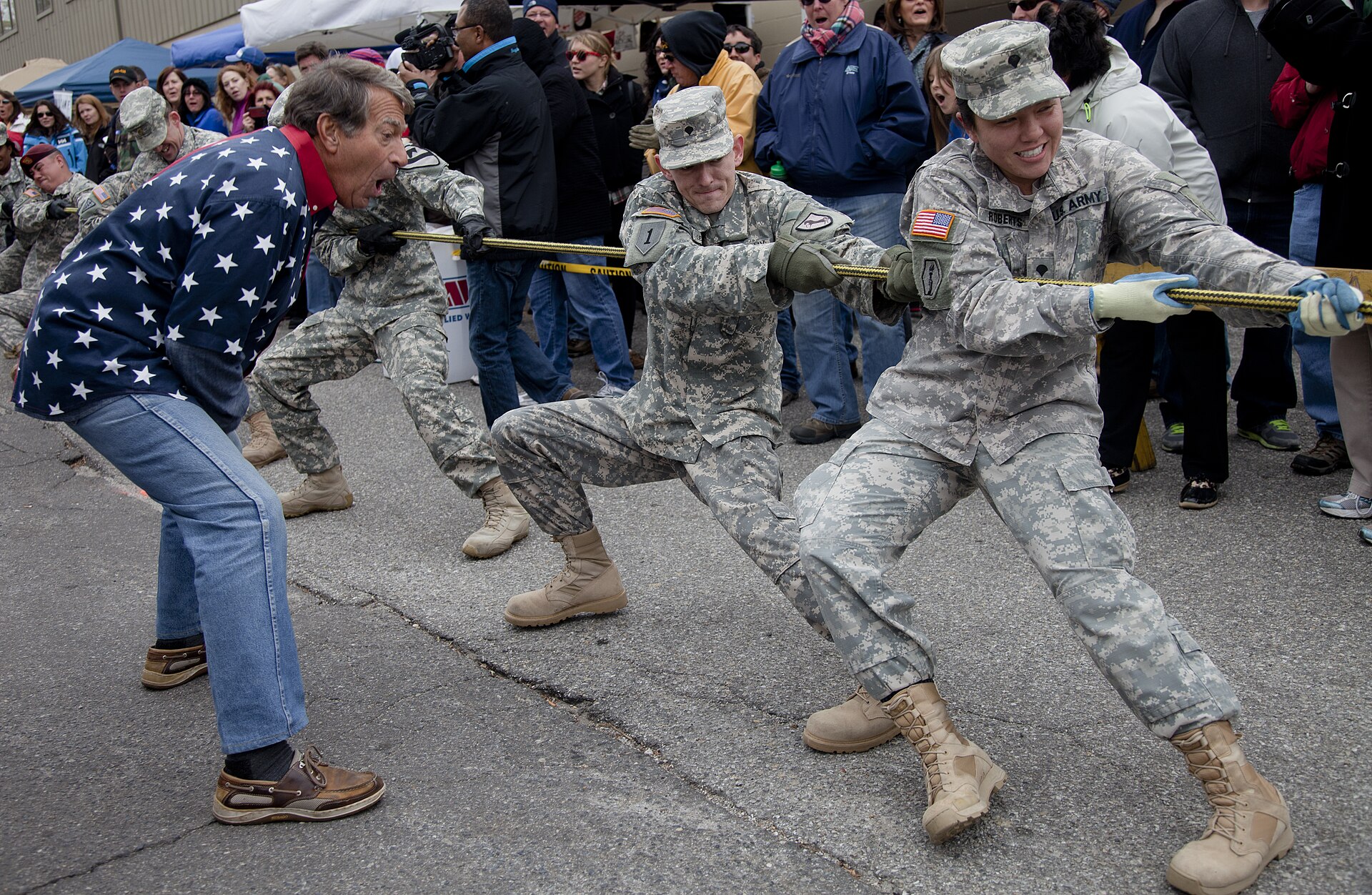
Featured image: Fort George G. Meade Public Affairs Office, CC BY 2.0, via Wikimedia Commons.