

Editor’s note: This article was first published in September 2012. The joke about cat bonds being risky until the Mayan date of December 2012 refers to the end-of-the-world meme of the time. The P2P returns quoted, up to 29%, are 2012 figures and should not be read as current.
As we’ve seen before, there are all kinds of investment products and vehicles, although most of them depend on the stock market. As the saying goes, you learn something new every day, and I have to admit I didn’t even know some of these investment options existed until I saw them in La Carta de la Bolsa.
That said, even though they can be a profitable investment, I personally wouldn’t bet on two of these products.
1. Weather derivatives
Until now we had heard about futures contracts, which come up more and more often: derivatives of oil, commodities and all sorts of food products. What’s striking is that while all those futures are derivatives of products that are tangible and have intrinsic value, the weather is neither tangible nor has any intrinsic value.
Even so, the weather can ruin many tangible products, and that’s where weather futures come in. CME Group issues a large number of weather products so that, if a company’s business is hit by the weather, the financial damage is much smaller. Clearly, if the company has to use that insurance because the weather has damaged its business, the investor’s return would suffer.
2. Catastrophe bonds
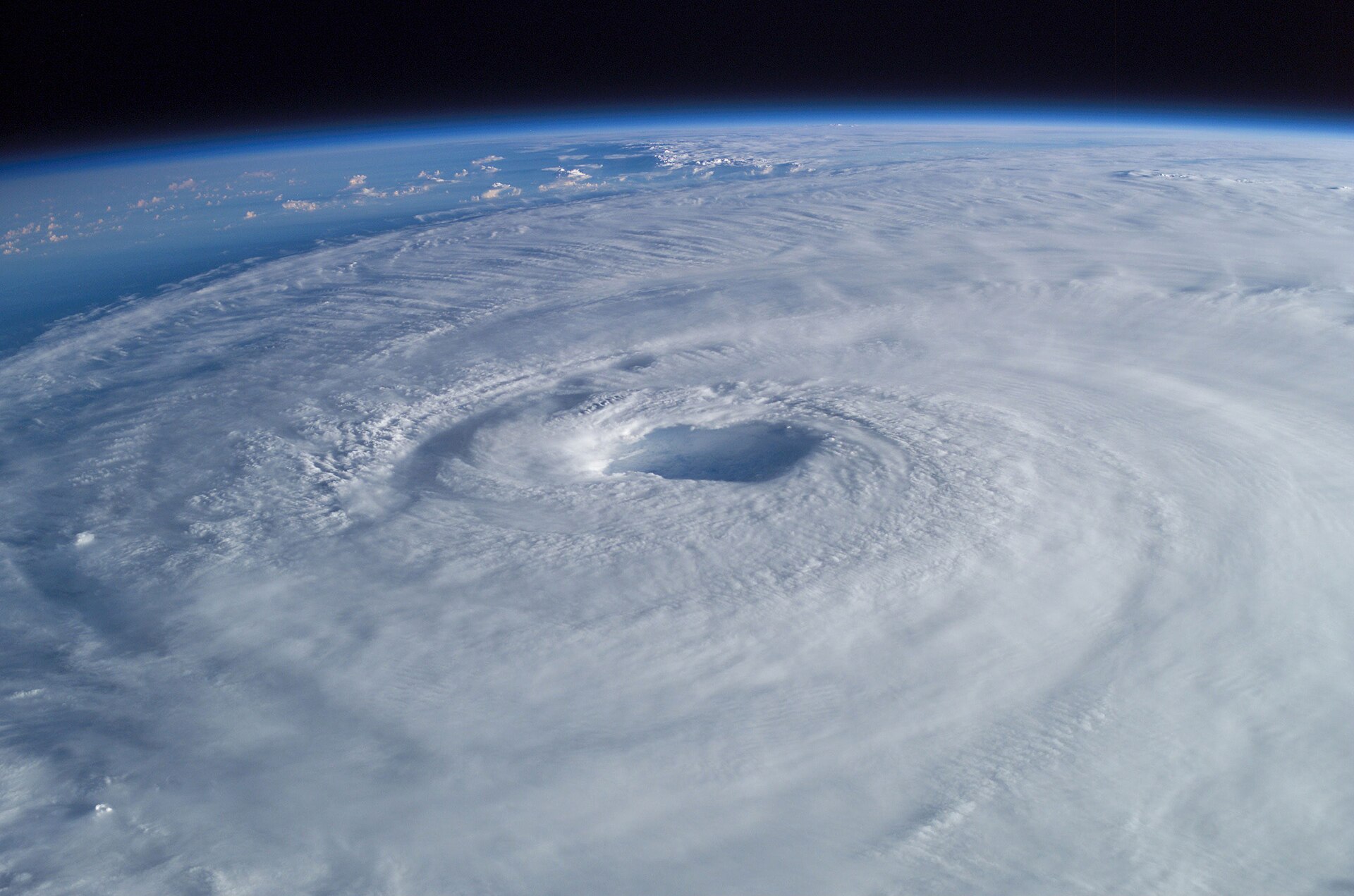
Catastrophe bonds are climate futures issued by insurance companies to protect themselves against natural disasters such as tsunamis, hurricanes and so on. These bonds help insurers have enough liquidity to respond to these rare events.
As long as there are no disasters, the companies dutifully pay their coupons to the investor, but if they have to deal with a catastrophe, the investor would lose the entire investment. A very risky investment these days, at least until December 2012 has passed, the Mayan date 🙂
3. P2P
This investment, despite the risk involved, perhaps has an ethical and moral value, because you are directly helping a person. Several companies have appeared that bring together individuals who need money and people who, without really being investors, are willing to earn a return on their savings by helping someone else.
In other words, if you’re an individual who needs 300, 500 or 3,000 euros, there are platforms such as Comunitae.com where you can ask for it. On the other side, someone who wants to earn 8%, 10% or even, depending on the applicant’s credit risk, up to 29% simply has to put in their money. The terms and the repayment period are agreed. The worse the applicant’s credit rating, the higher the return for the “investor”.
As you can see, these are out-of-the-ordinary investments where risk is very present. And although luck has no place in investing, with both catastrophe bonds and weather derivatives you could have the double misfortune of an environmental disaster.
A few weeks ago we also covered Iverem, a crowdfunding platform for entrepreneurs, where anyone can contribute money and become an investor in a business project. In that case, it really would be a matter of studying the project, the entrepreneur and the target market in order to predict whether the company will succeed or not.
Featured image: Image courtesy of Mike Trenchard, Earth Sciences & Image Analysis Laboratory, NASA Johnson Space Center., Public domain, via Wikimedia Commons.



