

Editor’s note: This article was first published in September 2012, and its prices and portfolio are from then: Inditex, Grifols, Santander, BBVA and Apple (before its stock split), plus the author’s five-year portfolio. Several companies named have since changed radically: Gamesa merged into Siemens Gamesa in 2017, and Abengoa went through restructurings and insolvency.
When the market’s definitive fall finally comes, that will be the time to think about building long-term positions in the stock market, so we have time to design what our strategy will be. How will you know the market’s definitive fall has happened and it’s time to buy in? Very simple: when the main indicator of economic growth (unemployment) changes trend. Right now the market is a moving train about to pull into the station before heading back.
Once you’re clear on the points we set out in our previous article, “Basic principles of investing, before you invest”, and you’re clear that you’re going to be a long-term investor and know exactly what your risk tolerance is, we may need to step outside the usual pattern and think differently from the herd, because the herd usually depends on the shepherds.
Inditex and Grifols?
You’ll have noticed the excellent stock market performance of Inditex and Grifols. Best of all, they’ve been the analysts’ favourite stocks for achieving these results during a recession. If you bought Inditex shares when they were trading between €28 and €60, and Grifols when it was between €10 and €15, there’s no reason to sell, since Inditex has been given a price target of €113, which it could reach, and for Grifols analysts don’t agree on the price target, but it might still have potential. These are stocks that pay good dividends and have very low volatility. That’s what every investor wants. What’s more, even though I personally find Inditex’s current price too high for my taste, the truth is that if the recession ends, they could rise well beyond the stated price target.
If you’re putting together a long-term portfolio, we’ve already ruled out the first two stocks (you’ll see why in a moment).
BBVA and Santander?
The two big banks, the most recommended and with good dividends (for now). Two more stocks ruled out for the long term, unless you once again get the chance to buy them at €3.50–4.00 in Santander’s case and €4.00–5.00 in BBVA’s. That’s not what we’re looking for. Besides, we already know where their resistance levels and ceilings are, so until the next subprime mortgage bubble arrives, they’ll hardly have a business volume and profits similar to before the crisis.
Different results from doing things differently
When you invest for the short to medium term, it’s essential to keep up with what the shepherds recommend to the herd:
“Today we’re upgrading Indra; next week we like Abengoa, we like Acerinox, and now we think Sacyr Vallehermoso is the bee’s knees.
Tomorrow we’re downgrading Sacyr because we consider it expensive given its high debt and the poor state of the sector; we think Abengoa could struggle with profits, since the price of corn rose this week; and Indra… well, it got a downgrade because that’s what we decided today. Also, oh dear, oh dear… technical analysis suggests they could pause for breath, and if they lose support, they could go into free fall.”
That’s what I call the “Matrix effect”. Would the share price have stalled if they hadn’t warned the market? Did the stock plummet because investors wanted to sell, or because we told them in advance what would happen if it lost support? Would you have broken the vase if nobody had told you to be careful with it?
These are the sources the herd drinks from, so when you invest for the short to medium term, you have to follow the herd, or at least know what it’s going to do. In other words, you end up becoming part of the herd, earning the same as the herd and always a few steps behind the “shepherds”.
Being smarter than the herd for the long term
When we put together a long-term investment portfolio, we should avoid picking fashionable companies. Would you invest in Apple right now? It trades at 700 dollars a share and some say it could reach 1,000 dollars or more. Every research firm tells you to buy it, because of its great potential and the dividends it now pays quarterly.
Let’s remember that when Apple shares were trading below 10 dollars, no research firm recommended them, because they were steering the herd towards the fashionable stocks. The most profitable stocks of the last 20 years were never recommended by analysts.
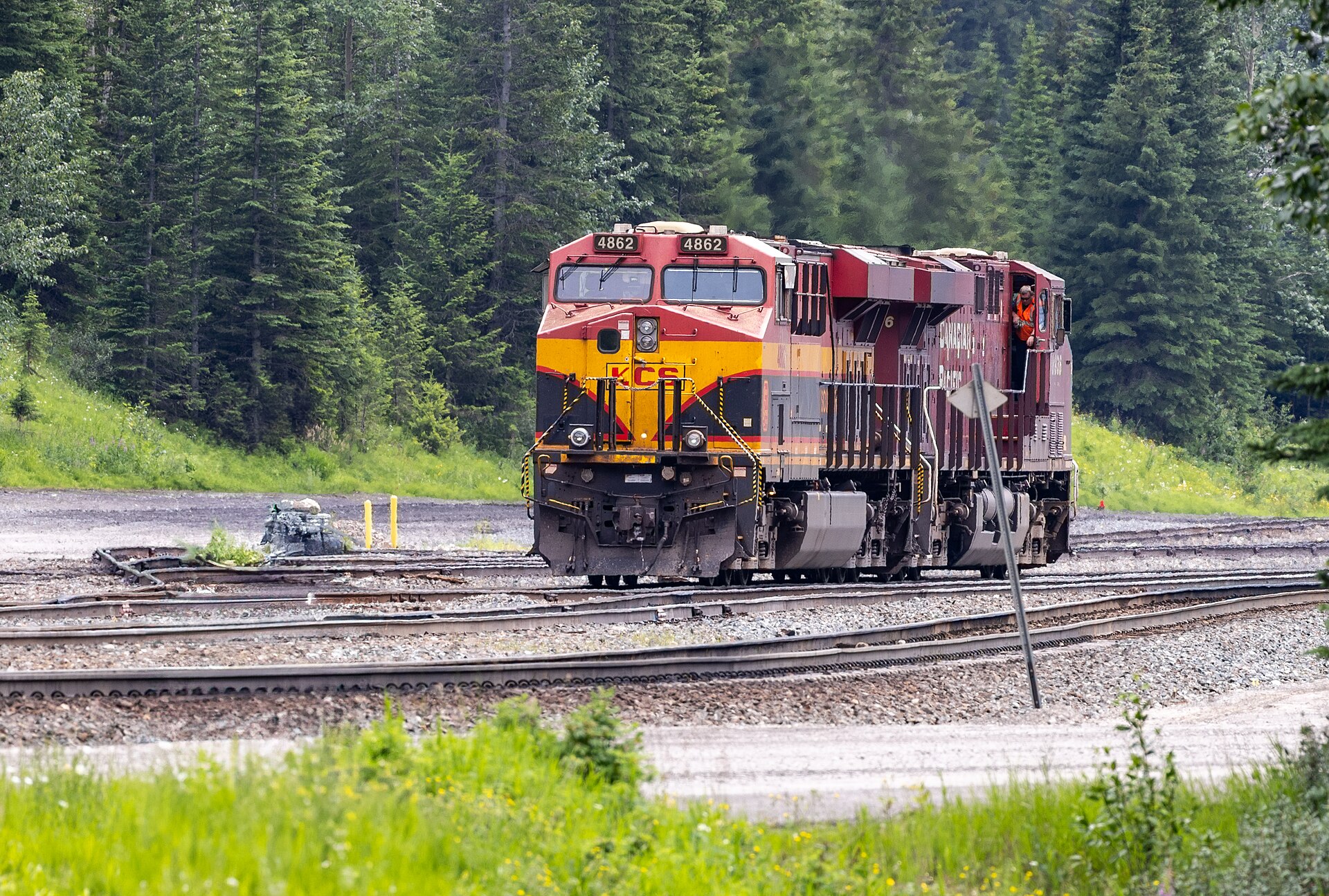
If you had invested just €10,000 in Kansas City Southern 20 years ago, today you’d have no less than €190,300,000. Yes, you read that right: 190 million 300 thousand euros. The same 10,000 euros in Apple would have earned you around €900,000.
Of those 10 stocks, the one that rose least was Astronics, with a return of more than 6,000% (six thousand).
So how do you choose stocks?
Warren Buffett and Benjamin Graham (student and teacher) come from the same school, and both agree that you need to be a visionary as well as doing good research.
Step 1: Identify which sectors you think will be the sectors of the future.
What does the future hold for us? Will it be renewables, solar power, nuclear power? Will we need more coal for some reason? Will it be technology companies, biotech, 3D glasses, flying cars, biomass, temp agencies, health and wellness, and so on?
Step 2: Which companies could become the leaders of those markets?
Who will lead in wind power: Gamesa, Siemens, Vestas, or some company that isn’t well known yet? Will it be Google, or could Acciona end up consolidating its position in this sector?
Is a biotech company negotiating major contracts in China? Which pharmaceutical company has a drug in development that could change the world? At some point in the future, could organic food win the battle against conventionally treated food?
I’m sure major changes are coming, with new products and services from companies that aren’t listed yet and from others that, despite trading on the Spanish continuous market, are barely visible to investors.
Step 3: Patience.
Once you’ve found a company you like, whose workings, debt and assets you understand, and which you think could do well, it’s time to add it to your portfolio. The stock might not move for months, while the most recommended stocks (the herd’s) have risen 20% in the last quarter. Be patient, as long as you believe in your choice, because as the company reports its results, if they’re in line with what you expected, the stock will start to grow, and by the time the market notices (by the time they recommend it), its price will probably already have risen more than 100%.
Some things about technical analysis I don’t agree with at all
There are companies whose share price has been hammered, even though everyone knows they have room to grow in the future. Imagine a stock that used to trade at €20 is now at €1.30. The technical analyst looks at the stock and tells us:
“The stock is bearish in the long term, although it’s having a rebound that could be a change in trend, but we can’t confirm this trend until it breaks above €2.60 on volume, which is the gap in the channel it needs to fill, and so on. I don’t advise buying into the stock until it breaks above €2.60 on volume. Only buy once it passes that price.”
Basically, the analyst is telling you the stock could be interesting if it breaks that price, but not to buy yet. Wait for the stock to rise 100% before taking a position, or, in other words, give up 100% of profit. The height of absurdity is if you listen, buy in once that resistance has been broken, and then it starts to fall. Then they’ll tell you it’s perfectly normal: given the recent rises, it’s going through an unimportant correction. Unimportant, except that as soon as you bought in you’ve lost 30%, instead of already being up 70% (correction included). Don’t you think it’s better to take the risk if you believe in the stock?
When you invest for the long term, you need to forget completely about market noise, analysts and charlatans, and above all get away from wherever the herd is, because the herd bought in on the shepherd’s recommendation, and when the shepherd recommends the opposite, it’ll be a stampede for the exit.
Later on they’ll tell you that the normal thing is to make 8% a year at best. By that logic, what isn’t normal is not losing money.
My five-year investment portfolio
This isn’t meant as a recommendation, but my current long-term investment portfolio is made up of:
- Gamesa (31%)
- Abengoa (24%)
- Ezentis (15%)
- Biosearch (15%)
- Natraceutical (15%)
That said, as I mentioned before, I’m not going to ride out a crash, so all of them have dynamic stop-losses, and if there’s a worrying drop they’ll be sold and we’ll buy back in once the storm has passed. I don’t know what return Inditex and Grifols will have had over the last two months, but these stocks have generated at least three times as much as those two IBEX high-flyers.
That’s why, when people talk about what a logical, normal annual stock market return is: if you invest in the herd’s stocks, normal is normal, but if you invest in “abnormal” stocks, the return isn’t within the “normal average” (for better or for worse).
I hope this article answers some of the questions you sent me.
Featured image: Chris Woodrich, CC BY-SA 4.0, via Wikimedia Commons.



