

Editor’s note: This article was first published in March 2013, as market opinion from 25 March 2013, days after the Cyprus bailout. The IBEX levels, the forecast that 2013 would resemble 2011, and the predictions of capital flight and a second Spanish rescue are specific to that moment.
If we look at the chart, we’ll find a lot of similarities, not so much in the chart itself as in the events that shaped it. In 2009 every analyst agreed that the IBEX was cheap and that anyone who didn’t buy in would miss out on the rally. There was no more bad news to come for the European Union, and the Spanish economy was on the road to recovery. In fact, a bailout for Spain was mentioned but ruled out.
In 2010 the doubts arrived, although you could say that the IBEX, despite a few scares, managed to hold its ground and limit its losses. In 2011 we began a fall that ended with a low of around 5,900 points in mid-2012. From there, thanks to the generous bank bailout (aid or a loan from the European Union, depending on how you look at it), we started climbing.
Until a few weeks ago, we were hearing the same thing again: “The IBEX 35 is bullish, and anyone who doesn’t get in will miss out. The markets have priced everything in, and there’s no more bad news to come.” Some politicians have even spotted green shoots.
Honestly, the only green shoots I’ve seen are those of the marijuana that whoever saw green shoots must have been smoking. The question now is: are we better off than in 2009, or worse? The answer is that we’re much worse off, because, as we keep insisting, the only reliable indicator of a country’s economic health is unemployment. If that indicator keeps rising, sooner or later it takes its toll. Spain can’t get out of the crisis if Spaniards don’t get out of the crisis.
Cyprus: a much more serious problem than it looks
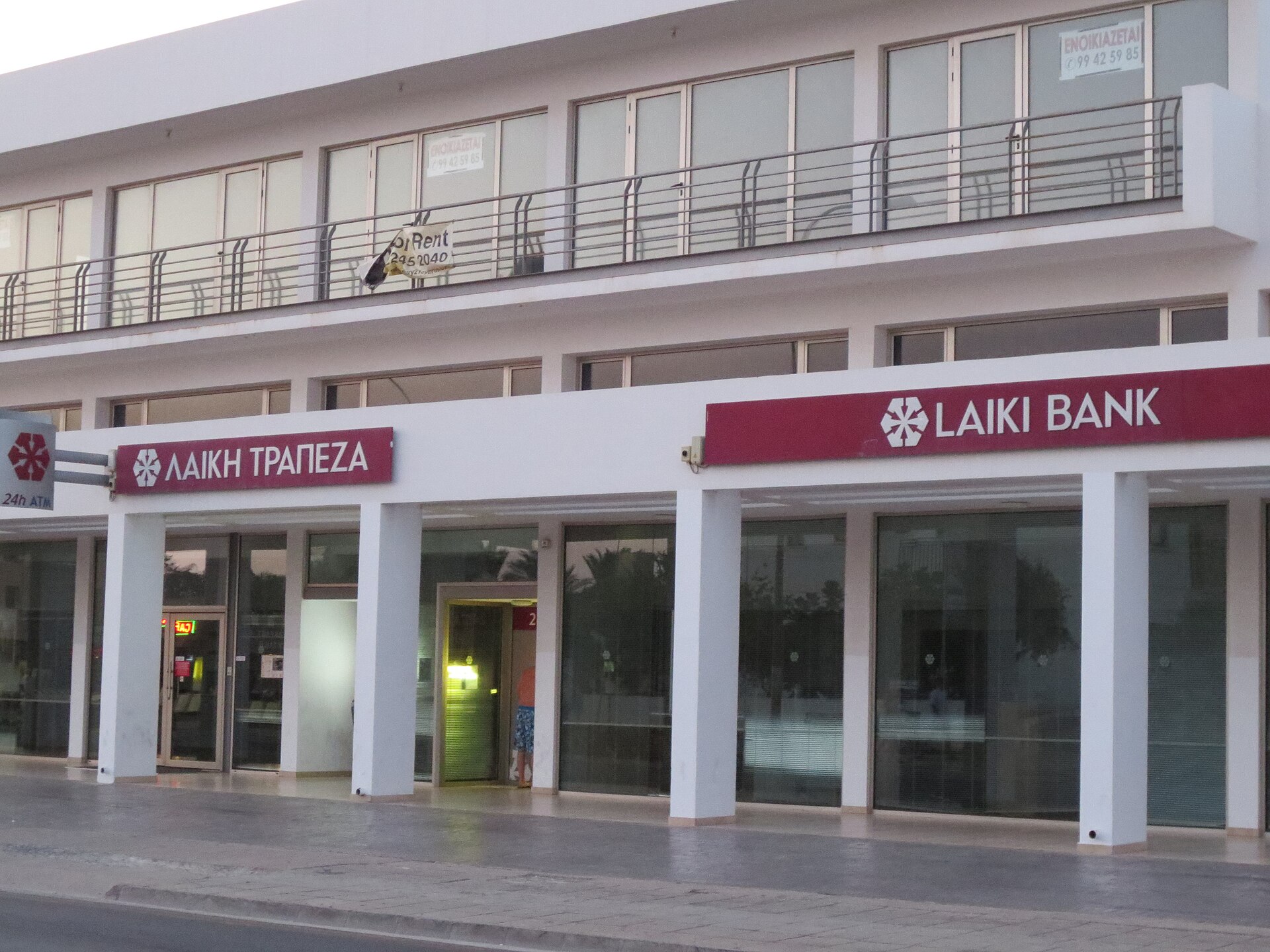
Europe has already killed Cyprus, whatever it does now, whether it touches deposits or not. The moment that country accepted the bailout, it simply died. Although it remains in the European Union, it is already considered a pariah by the markets for carrying out that haircut, or robbery, on deposits. Its wings have been clipped, so Cyprus will end up needing one or two more bailouts, just like Greece. Europe has crossed lines it should never have crossed, because it has sent a very clear message: money in Europe isn’t safe in a bank. In fact, today the euro is not a reliable or safe currency, let alone a serious one. Good news for the dollar, mind you.
Spain, Italy, Greece and Portugal will face a terrible flight of capital, because Cyprus is clearly already infecting us. Just ask the risk premium. And if the ghost of a bailout for Spain returns, after what happened in Cyprus, I find it hard to believe that money would be safe in Spanish banks when the time came.
Political uncertainty in Italy, a Europe that has crossed red lines, southern countries that aren’t growing and whose populations are already below the poverty line. Not to mention that doubts will soon turn to France. All of this will move the IBEX 35, and will therefore make 2013 look like 2011.
On the chart we marked point 1 (the start of the rally in 2009), point 2 (crashing into reality in 2010), point 3 (the consequences of crashing into reality, and the starting point in 2012) and point 4 (a new crash into reality). We’ll leave point 5 for you to place wherever you think it will end up, although I’ll give you a hint: it won’t be above 9,000 points.
And yes, the IBEX is very cheap. Bankia and Pescanova are cheap too, and they’re not two stocks I’d want to own right now.
I may be wrong, but ever since we hit 8,000 points I’ve been somewhat sceptical that the rally would continue. After what Europe has done to Cyprus, my outlook is completely bearish, because this is going to bring us more serious problems than our leaders have calculated or even imagined.
Featured image: DevilDimon, CC BY-SA 4.0, via Wikimedia Commons.



