Editor’s note: This article was first published in April 2013. Its figures and outlook are from 2013: mid-sized blogs reaching 20,000 visits a day, Mashable and TechCrunch with over 5 million visits a week, and robotics, energy efficiency and 3D printing as the internet of 1995.
In 1995, a TV programme called Computer Chronicles aired a show about what it saw as an emerging technology: the internet. It was something many analysts didn’t understand, and it was said that the internet of the time was being overrated: “A network space saturated with information, disorganised and very hard to access, as well as very expensive for a middle-class family.”
For the vast majority of experts it was unthinkable that the internet would become what it is today, let alone one of the greatest sources of millionaires in history.
The leading online services company (internet provider) was CompuServe, which charged by connection time. At the end of 1995 America Online (AOL) would appear and end up eclipsing CompuServe, because AOL offered internet access for a fixed monthly fee rather than by connection time.
Before search engines arrived, and above all before Google, searching was hit and miss: you might look for restaurants in Madrid and get hotels in Barcelona. Information on the web was chaos.
The programme also showed Pizza Hut’s official website, which had an innovative design at the time. Who would have guessed how different websites would look today? On top of that, loading a web page could take more than 60 seconds.
One of the people interviewed, Joe Lambert, explained that some people were making money on the internet, and that he had even seen websites getting a whopping 20,000 visits a week.
Considering that today any mid-sized blog can reach 20,000 visits a day, what was a feat back then is mediocre now — not to mention blogs like Mashable and TechCrunch, which get more than 5 million visits a week.
Of course, having a website wasn’t easy at all, because you had to know a code called “HTML”, which today any programmer knows.
Despite the huge advances we’ve seen over the last decade, it is said that the internet is still only at 30% of what we will eventually see, while the businesses of the future could now be in other industries that are where the internet was in 1995. These industries could be robotics, energy-efficiency systems or 3D printers.
Further reading
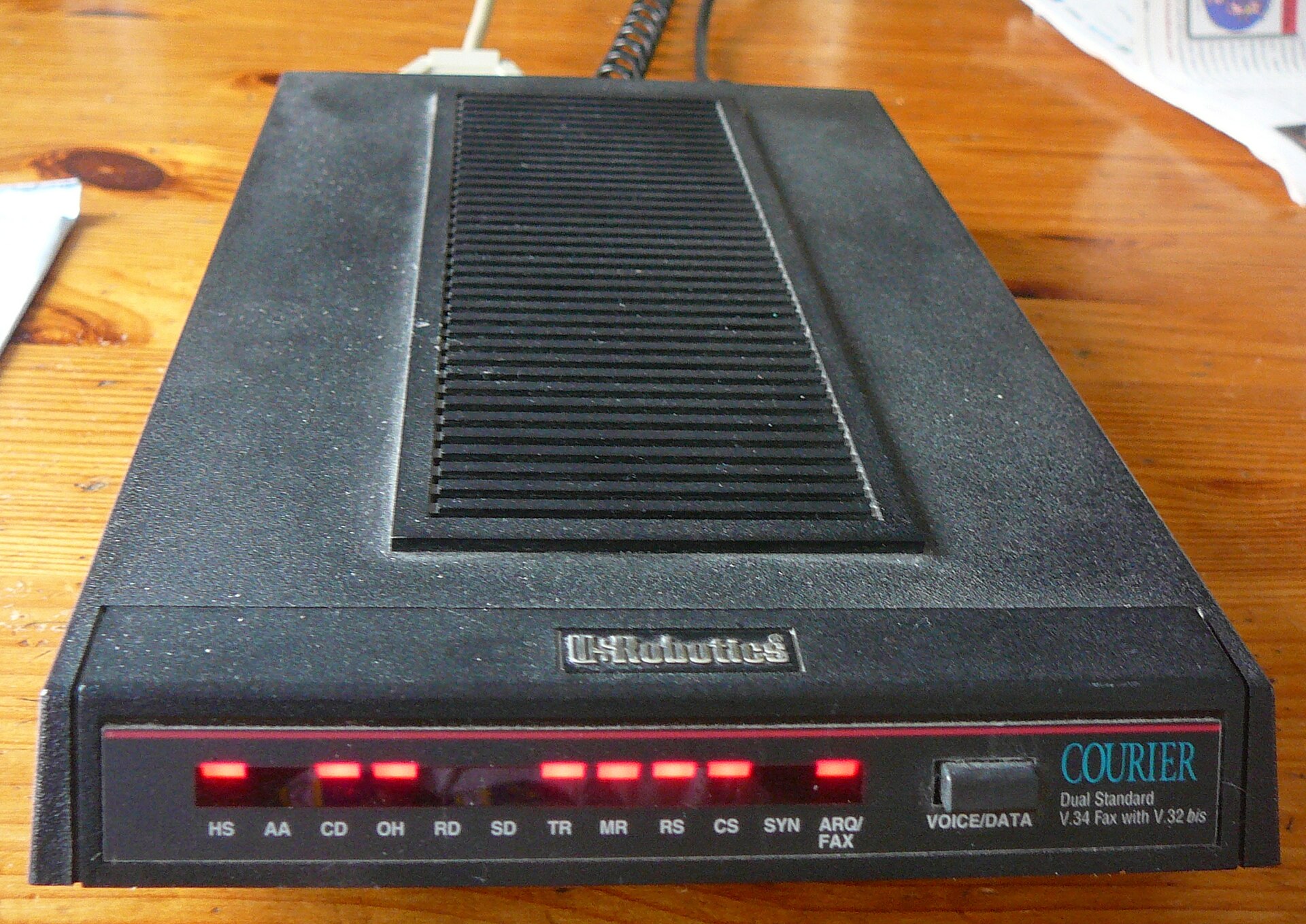
Featured image: Bortzmeyer, CC BY-SA 3.0, via Wikimedia Commons.