

Editor’s note: This article was first published in April 2013, and the details it gives about BabyCakes, three shops (New York, Los Angeles, Disney World) and 500+ cupcakes a day, reflect that year. The bakeries may no longer operate under this name.
It is said that sales of sweets and cakes have fallen with the economic crisis, though perhaps that is not so much down to the crisis as to people taking more care of their health. At the same time, the number of people who are allergic to certain foods or ingredients keeps growing, including people who are allergic to gluten or lactose intolerant. Of course, targeting this market exclusively might not be a profitable business. It’s a matter of approaching the business the right way so that it appeals to every kind of consumer. Here we look at the case of BabyCakes, whose owner came to dominate the gluten-free market in several US cities.
In 2005, Erin McKenna found herself out of work. All she had were three recipes for vegetarian cakes handed down from her grandmother. She had no money and no business knowledge, but she came up with the idea of renting premises on Manhattan’s East Side to sell her BabyCakes.
Her best sellers are gluten-free, wheat-free cakes, doughnuts, cookies and many other baked goods, adapted for people with all kinds of food allergies.
She was surprised to find that her products were bought not only by people with allergies or diabetes, but also by people with no health problems at all, who knew they could eat them and avoid health problems later on.
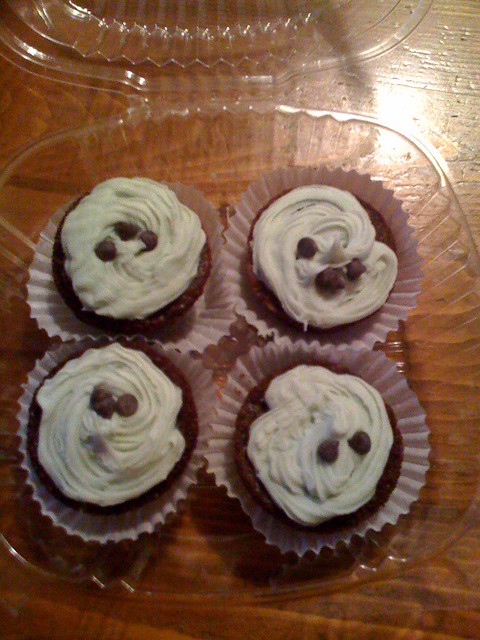
Since McKenna opened her first shop in 2005, BabyCakes has become a staple for cupcake lovers, vegetarian foodies and a number of New York celebrities. The shop was soon selling more than 500 cupcakes a day, as customers say they taste exactly the same as any other cupcake (or even better), with the advantage that you’re not eating the sugar, gluten and other additives found in products from other shops.
Before long, her products were such a success that she ended up opening another shop in Los Angeles and a third at Disney World.
McKenna says it wasn’t easy to open her first business without knowing anything about business, and that growing from a small business into other cities wasn’t easy either, although, as she puts it, you get used to it and learn as you go.
What’s more, McKenna was not only the entrepreneur and the “chef” of the business; she also tapped a creative streak she didn’t know she had. She designed the uniforms herself to give the bakeries a vintage look.
In Spain, too, we are seeing the first success stories with gluten-free and sugar-free sweets, and demand in this market keeps growing because people are increasingly aware that, even if they are not diabetic or coeliac, sugar and gluten are best kept in check. Restaurants and cafés are adding value to their businesses by including gluten-free or sugar-free foods in their products and menus.
Further reading
Featured image: Rachel Kramer Bussel, CC BY 2.0, via Flickr.


