

Editor’s note: This article was first published in May 2013, and reports CareerCast’s 2013 ranking. The positions and the comments on the media crisis reflect that year.
Here is the new ranking of the best and worst jobs of 2013, compiled by the job site CareerCast.com. While passion should be taken into account when choosing a profession, the new ranking shows how the “passionate lovers of journalism” have ended up on the same level as street sweepers, garbage collectors and lumberjacks. The ranking takes into account factors such as the physical effort the job requires, stress and pay. So among the best jobs (the most highly rated, best paid and most satisfying) we have:
1. Actuary: interprets statistics to determine the probability of accidents, illness and death, among other things.
2. Biomedical engineer: analyses and designs solutions to problems in biology and medicine, with the aim of improving the quality and effectiveness of patient care.
3. Software engineer: researches, designs and develops software systems, along with developing hardware for medical, scientific and industrial purposes.
4. Audiologist: diagnoses and treats hearing problems, working to determine the extent, nature and degree of hearing function.
5. Financial planner: within careers in portfolio management and investing, the financial planner offers a wide range of services designed to help people manage and plan their financial future.
6. Dental hygienist: cleans teeth, examines patients for oral diseases such as gingivitis and provides other preventive dental care. Also teaches patients how to improve and maintain good oral health.
7. Occupational therapist: develops individualised programmes of mental, physical and emotional activity for people with developmental disabilities, to help them achieve self-sufficiency.
8. Optometrist: diagnoses vision disorders and prescribes and administers corrective and rehabilitative treatments.
9. Physical therapist: plans and directs treatment to improve mobility and relieve pain in people disabled by injury or illness.
10. Computer systems analyst: develops computer systems for businesses and scientific institutions.
At the other end of the scale are the jobs considered the worst professions:
1. Reporter: with the crisis in the media and constant cutbacks at newspapers, journalism is now in last place. Whereas journalists used to be well paid, these days the most common type of contract (especially for reporters) is freelance. It’s stressful, badly paid and undervalued.
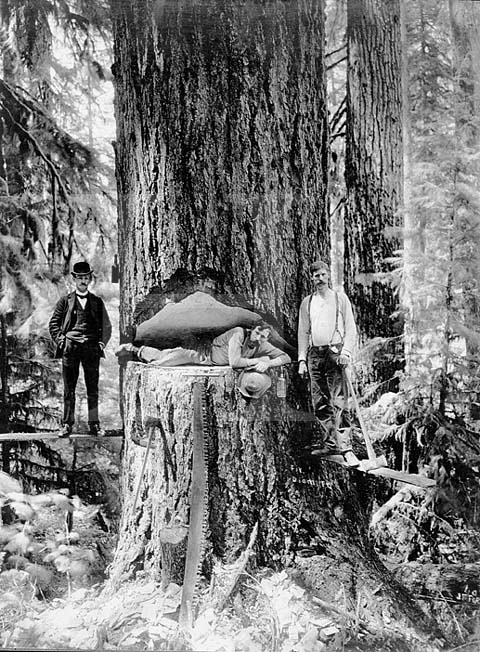
2. Lumberjack.
3. Enlisted military personnel.
4. Actor: an industry hit by the crisis where, as a rule, there’s no middle ground in income and fame. Out of 1,000 drama students, probably one becomes a megastar, 30 earn a steady income from their career, 100 scrape by as best they can within the profession, and the rest simply work in other kinds of jobs.
5. Oil rig worker: although the pay isn’t bad, the physical effort and harsh conditions mean the job isn’t worth it.
6. Dairy farmer: runs and takes part in activities related to raising livestock for milk production.
7. Mail carrier.
8. Roofer: installs roofs on new buildings and repairs old roofs and old buildings.
9. Flight attendant.
10. Farmer.
In this technological age, we wrote some time ago about the job opportunities the internet offers, since that’s where job vacancies are moving and, of course, where the business opportunities are.
Further reading
- The university degrees with the least future
- The university degrees with the best job prospects
- Businesses that work in a crisis (safe-haven businesses)
Featured image: John Fletcher Ford (1862–1914), Public domain, via Wikimedia Commons.



