

Editor’s note: This article was first published in June 2013, in the middle of Spain’s economic crisis and mass unemployment; its references to the crisis and a café full of unemployed people reflect that time.
In the middle of the crisis, the main topic of conversation is how bad things are, how dire our personal finances are and how few opportunities we have to improve them. Meanwhile, life keeps putting all kinds of opportunities to improve our situation in front of us, and only a few people are able to take them. In the same way, only a few are able to learn certain lessons.
This week I was having a coffee, and at one table there was a group of door-to-door salespeople (cold calling at people’s homes). It’s something not everyone likes, and probably a job many people look down on. I couldn’t help overhearing the words of the team leader, who was being completely honest and sincere with his salespeople. He was talking precisely about how most people would rather complain than take a risk.
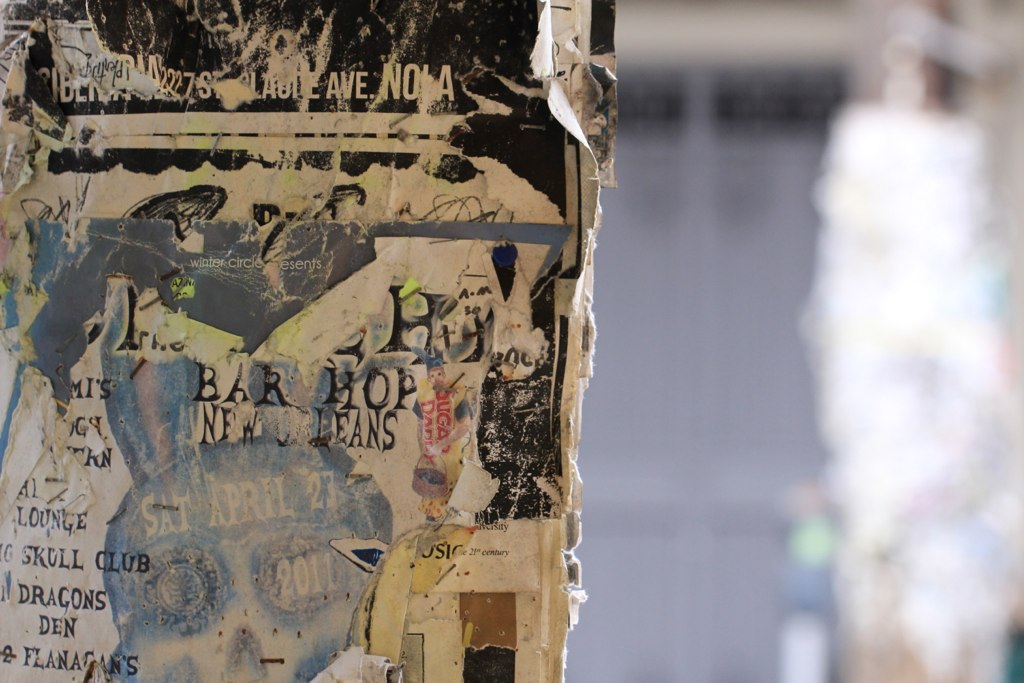
He told them that after more than three years out of work, two years ago his sister brought him a piece of paper she had found lying on the ground. It was one of those job ads you see stuck on lampposts or walls. The paper said: “We are looking for people between 18 and 45 for sales. No experience necessary. Call *****.”
He admitted he had never worked as a salesman, and that his friends and family told him not to go, since it would mean door-to-door selling. He figured he had nothing to lose by going to the interview, because, after all, he had nothing better to do apart from looking for work.
(Read: IQ doesn’t matter: what predicts success is grit.)
Two years later he’s still with the company and is now a team leader. Whatever some people think of his job, it’s what has paid his bills so far. In fact, he keeps that piece of paper with the job ad in his wallet, because he believes it changed his situation.
I couldn’t help admiring what he said, because he was right when he said that hundreds of people must have seen that paper stuck on a wall or lying on the ground, and yet they will still be out of work, complaining about how bad things are. This is what he said, word for word:
“You’re bitter because you’re out of work, you see an ad with a wide age range. They’re not asking for experience. You know the job isn’t going to be a civil-service post, but do you have anything to lose by trying if you’ve got nothing better to do? Well, yes, people prefer to do nothing and ignore some opportunities because, at first glance, they don’t like them.”
He added that he has not only learned something new, which is sales. Not only is he a good salesman today, he has also met lots of new people, including his current team, he has been promoted in the company, and best of all, he is working and earning money instead of carrying on complaining. Meanwhile, many other people who saw the paper and had the same sales experience as he did (none) still look down on the job, but don’t have a penny in their pockets and keep complaining about the crisis.
What can this man’s words teach us?
Probably nothing to most people, because most people read but don’t interpret, hear but don’t listen, look but don’t observe. In a café where almost everyone present was unemployed, I think I was the only one who paid attention to the conversation. So let’s hope some people get the message, since we’ll translate it for the cheap seats:
- It’s better to do something than to do nothing.
- It’s better to take a risk than to complain.
- When the going gets tough, toughen up and keep moving.
- If you have no money and nothing better to do, and a job you don’t like comes along, tough luck, but work.
- If you don’t know how to do that job but they give you the chance to try, tough luck, but learn.
- And if you don’t want to work in the few jobs that come up during the crisis, then start your own business or you’re screwed.
(Read: 26 lessons to prepare your child for the real world.)
In short, once you reach an extreme point, you only have two paths. One leads you to do something (anything, because whatever it is, you’ll learn something new); the other leads you to mental and personal self-sabotage. Which of the two do you choose?
And finally, in this video that one of our readers posted on Facebook the other day, a short story (12 minutes) is told through cartoons. It perfectly reflects the mindset of some people and the mindset of others: why some succeed and why others fail. The video is called Where’s my cheese?. It’s what many people keep asking themselves while others go out looking for more cheese.
Further reading
- Seven psychological traps that hold back your success
- Swap the word “impossible” for “improbable” and you’ll see the results
See also: Entrepreneurs: when plan B fails
Featured image: Daniel X. O'Neil, CC BY 2.0, via Flickr.


